1 day ago
Judge Blocks Trump Administration’s Migrant Self-Deportation Fines
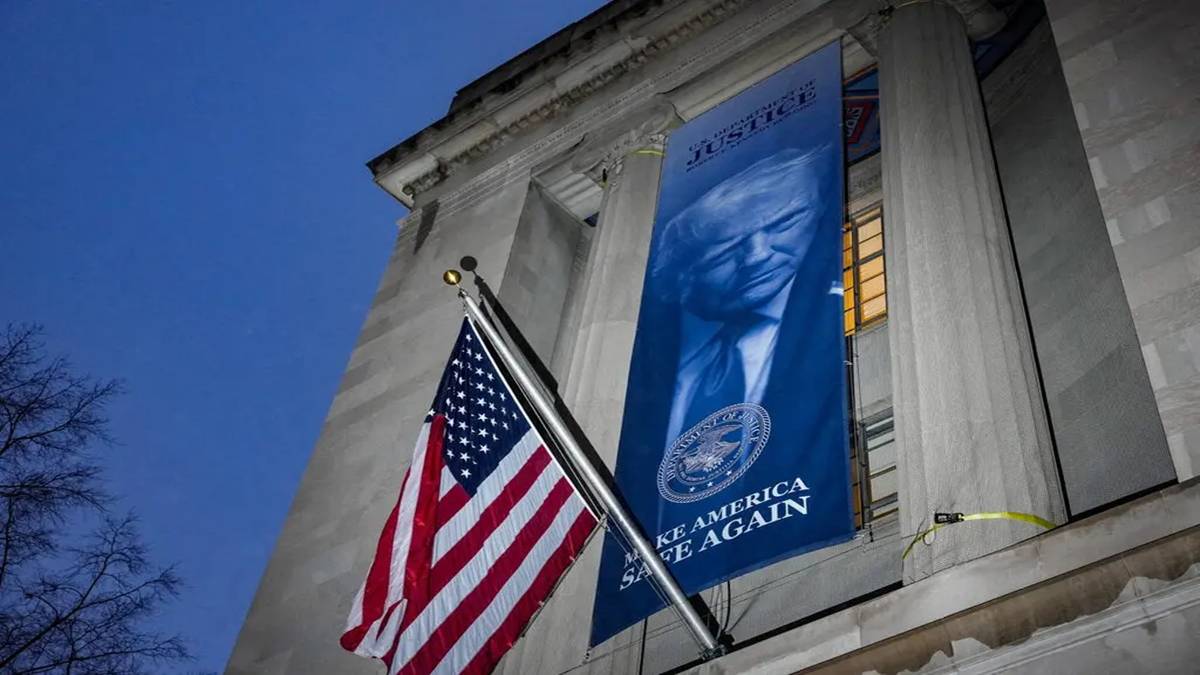
The U.S. government had been charging some immigrants large fines if they did not leave after being ordered to go.
A federal judge has now paused those fines for the people covered by a lawsuit.
The judge said the immigrants may be right that the government used an unfair process.
The government had planned to charge $998 for each day a person stayed, and the total could reach $1.8 million.
The lawsuit also says people were not given enough information about why they were being fined.
The judge said the government should have followed steps that let the public comment on the changed rules.
The ruling is a preliminary pause, not a final decision on the whole case.
The administration has also promoted voluntary departure through an app, offering travel help and a $3,000 payment to eligible participants.

A federal judge blocked the administration from imposing self-deportation fines on the plaintiffs in a class-action case.
The ruling found the plaintiffs likely to succeed in arguing the fines violated the Administrative Procedure Act.
The case challenges penalties for people who do not leave the United States after final deportation or voluntary departure orders.
The administration had planned fines of $998 per day, applied retroactively for up to five years, with a maximum of $1.8 million.
The judge said the streamlined penalty process did not follow required rulemaking procedures, including allowing public comment.
- Who
- U.S. District Judge George O’Toole ruled in a class-action case brought by two individuals and the Immigrant Legal Resource Center against the Trump administration.
- What
- The judge stayed the challenged civil fines for the plaintiffs, finding they had shown a likelihood of success on their claim that the penalty process was unlawful.
- Where
- United States
- When
- The ruling was issued Monday, according to the article; the date is not specified.
- Why
- The judge said the plaintiffs showed likely legal merit and irreparable harm, and found the streamlined process did not comply with required rulemaking procedures.
Plaintiffs and court concerns
Administration’s enforcement policy
Legality and process
Plaintiffs and court concerns
The plaintiffs argued the fines and the process for imposing them were unlawful; O’Toole found they had shown a likelihood of success and said required rulemaking procedures were not followed.
Administration’s enforcement policy
The administration revived civil penalties under existing immigration law and directed agencies to assess and collect fines from people unlawfully present in the United States.
Self-departure incentives and consequences
Plaintiffs and court concerns
The lawsuit challenged penalties that plaintiffs said had been imposed at exorbitant levels, potentially reaching $1.8 million.
Administration’s enforcement policy
The administration presented voluntary departure as an alternative, offering cost-free travel and a $3,000 exit bonus through the CBP Home app, while warning of enforcement consequences for those who remain.
Key facts
- Maximum planned fine
- Up to $1.8 million per person
- Daily penalty
- $998 per day for failure to leave after a deportation order
- Retroactive period
- The administration planned to apply fines retroactively for up to five years
- Judge
- U.S. District Judge George O’Toole
- Plaintiffs
- Two individuals and the Immigrant Legal Resource Center
- Legal basis challenged
- The Administrative Procedure Act and the process used to adopt the fine policy
- Voluntary departure offer
- The article says DHS promoted cost-free travel and a $3,000 exit bonus through the CBP Home app
Quotes
George O’Toole
US District Judge who issued the preliminary relief
“The plaintiffs have shown a likelihood of success on the merits, irreparable harm, and that the balance of equities and the public interest support preliminary relief. The Court shall issue a stay under Section 705 of the APA in favor of the plaintiffs.”
 financialexpress.com

Tom Homan
Trump administration border czar
“Now, hopefully what will happen is that they take the opportunity to take the $3,000 and self-deport.”
financialexpress.com
Sources
Related news
Second Federal Judge Blocks Trump’s $100,000 H-1B Fee

Appeals Court Blocks Trump Policy for Rapid Third-Country Deportations
Bill Proposes $250,000 Fines and 10-Year H-1B Ban

Supreme Court to Weigh Trump’s Mandatory Immigration Detention Policy

Trump Administration Asks Supreme Court to Continue Quick Third-Country Deportations

NYC Mayor Mamdani Leads Cities Challenging Trump’s Public Charge Rule

Trump's $70,000 Barrier Threatens Indian Students' U.S. Work Options

Migrant caravan heads north as US issues border warning
Analysis Challenges $8.8 Billion H-1B Fee Estimate

ICE Actions Disrupt Kansas Meatpacking Amid Tight Beef Supplies