2 hrs ago
Australia Considers Smart-Glasses Ban Over Privacy Concerns
Australia is thinking about stopping people from using smart glasses in government buildings.
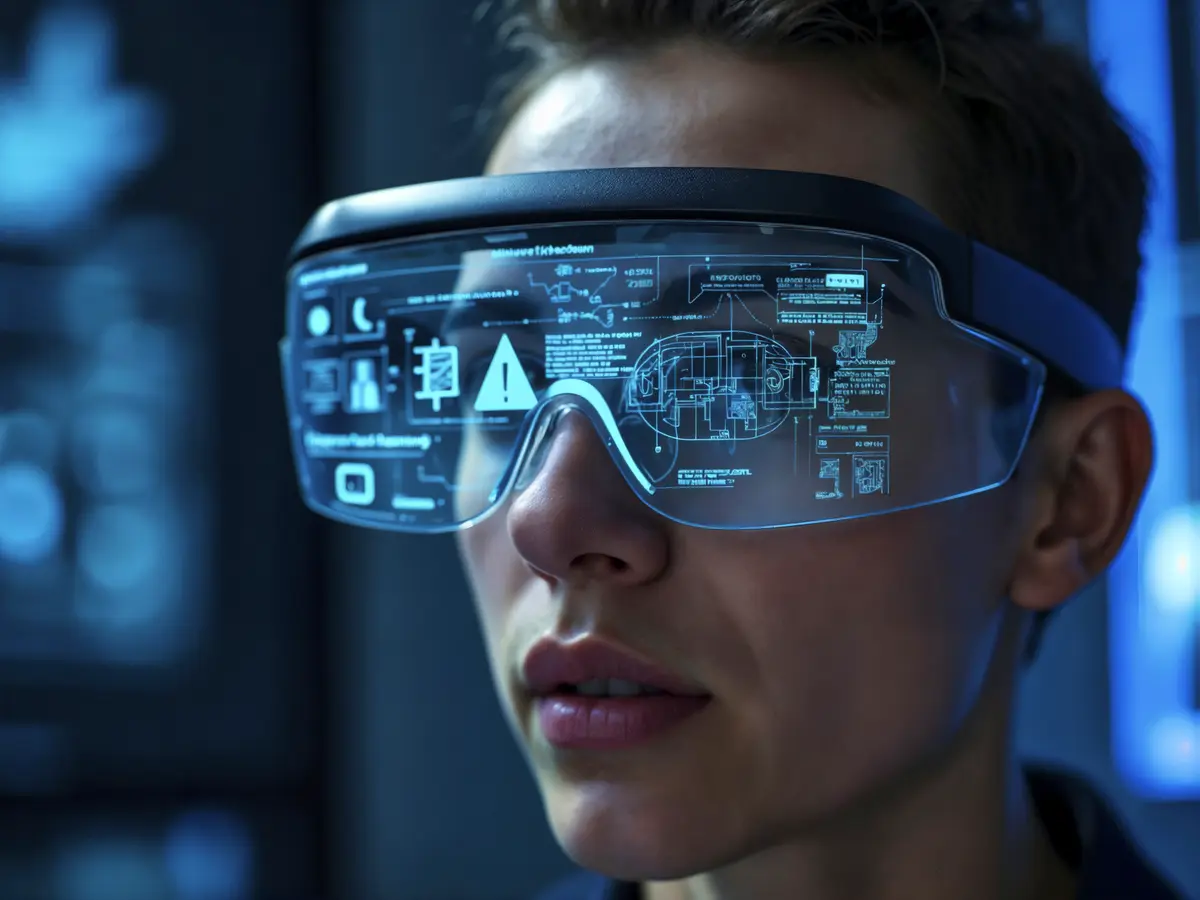
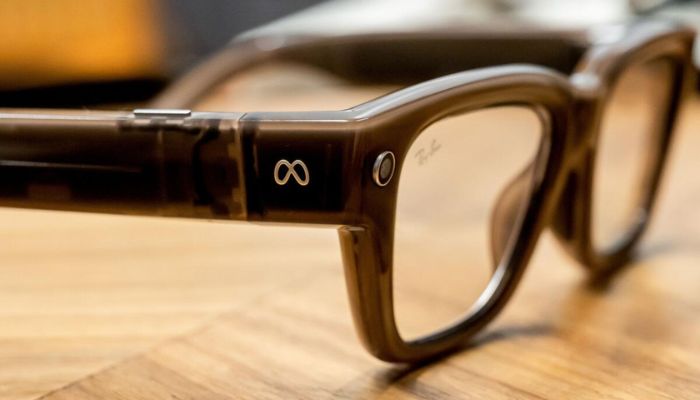
These glasses look like normal glasses but can take pictures, record video, make calls, and use an assistant.
They contain small cameras, microphones, and speakers.
Officials worry that people could be recorded without permission.
Minister Katy Gallagher said this could create privacy and security problems.
Other places, including courts in New York and England and Wales, have also restricted the glasses.
Oslo has barred them from schools.
Meta, which makes some of the glasses, changed the devices so the camera turns off if its recording light is disabled or damaged.

Australia is considering banning smart glasses in government offices and buildings over privacy and security concerns.
Public Service Minister Katy Gallagher said the devices can record and capture information without people’s knowledge.
Smart glasses resemble ordinary eyewear but may contain cameras, microphones, and speakers.
New York courts, courts in England and Wales, and schools in Oslo have also restricted smart-glasses use.
Meta updated its glasses so the camera automatically disables if the recording LED is turned off or damaged.
- Who
- The Australian government, Public Service Minister Katy Gallagher, smart-glasses users, and Meta are involved.
- What
- Australia is considering a ban on smart glasses in government offices and buildings because of privacy and security concerns.
- Where
- Australian government offices and buildings; related restrictions have been reported in New York State, England and Wales, Oslo, and India.
- When
- The proposal is being considered after restrictions were introduced elsewhere; the report also refers to July and August developments and sales in 2025.
- Why
- Officials are concerned that smart glasses can covertly record or photograph people and capture sensitive information without consent.
Privacy and Security Concerns
Technology Access and Use
Government-building ban
Privacy and Security Concerns
Supporters argue that smart glasses can secretly record people or capture sensitive information, creating legitimate privacy and security risks.
Technology Access and Use
Opponents may argue that the devices resemble ordinary eyewear and provide useful functions such as photography, calls, and voice-assistant interaction; the report does not identify specific opponents to Australia’s proposal.
Recording safeguards
Privacy and Security Concerns
Restrictions in courts and schools reflect concerns that recording can occur without consent.
Technology Access and Use
Meta has added a safeguard that disables the camera if the recording LED is turned off or damaged.
Key facts
- Proposed measure
- A ban on smart glasses in Australian government offices and buildings
- Australian official
- Katy Gallagher, Australia’s minister for public service
- Main concern
- Covert recording, photography, privacy, and security
- Device capabilities
- Smart glasses can take photos, record videos, make calls, and interact with an assistant
- Other restrictions
- New York courts, courts in England and Wales, and schools in Oslo have restricted smart-glasses use
- Meta sales
- Meta reportedly sold nearly seven million smart glasses in 2025
- Meta response
- The camera automatically disables if the recording LED is disabled or damaged
Quotes

Katy Gallagher
Australia's minister for public service
“Smart glasses can raise legitimate privacy and security concerns, particularly because of their ability to record and capture information”
 wionews.com
Sources
Related news
Meta Fixes AI Glasses Loophole Amid Privacy Concerns

France Probes Smart Glasses Misuse Amid Privacy and Harassment Concerns
Norway Weighs Tighter Privacy Rules for Meta Smart Glasses
Meta Smart Glasses Face Scrutiny Over Privacy And Data Risks

Delhi Man Challenges Meta Over Alleged Smart-Glasses Recording

Meta Reportedly Prepares Camera-Free Luna Glasses Amid Privacy Scrutiny

L&T Targets Up to 30% of Global Modularisation Market
Australia Tightens Visa Rules for Students and Backpackers
Anvay Dravid, Aaryavir Sehwag Shine in India U19 Victory