3 weeks ago
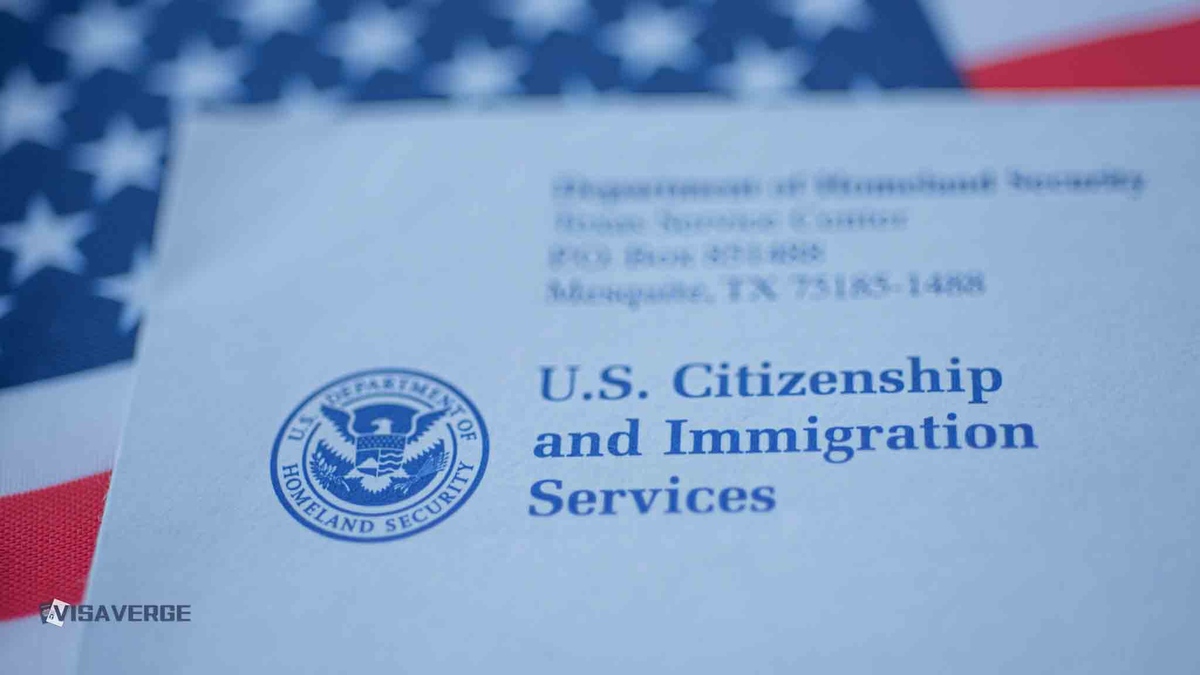
US mulls ending 60-day grace period for H-1B workers

People from other countries sometimes come to the United States to work using special work documents called visas.
Right now, if they lose their job, they get 60 days to find a new one.
A government group called the Department of Homeland Security wants to take away those 60 days.
If that happens, workers would have to leave the United States almost right away after losing their job.
The plan is being checked by another government office called the Office of Management and Budget.
Many kinds of workers would be affected, including people with H-1B visas.
A lot of workers from India use H-1B visas to work in America.
The 60-day rule has been in place since 2017.
The plan is not final yet, and people with these work visas are watching carefully to see what happens next.

The US Department of Homeland Security is reviewing a proposal to eliminate the 60-day grace period that lets foreign workers on non-immigrant visas find new employment after losing their jobs.
The proposal is under review at the federal Office of Management and Budget, with details to be published in the Federal Register before a final rule.
The grace period, introduced in 2017, covers E-1, E-2, E-3, H-1B, H-1B1, L-1, O-1 and TN visa holders and their dependents.
If finalized, foreign workers whose employment ends prematurely would generally have to depart the US immediately and could not change status or employers unless USCIS exercises discretion to forgive the lapse.
Indian nationals are the largest H-1B beneficiary group, comprising 71 per cent of successful applicants in fiscal year 2024, though one report cites 69.9 per cent of 406,348 approvals in 2025.
- Who
- Foreign workers on E-1, E-2, E-3, H-1B, H-1B1, L-1, O-1 and TN non-immigrant visas and their dependents, affected by a proposal from the Department of Homeland Security.
- What
- The US is reviewing a proposal to eliminate the 60-day grace period that allows foreign workers to stay and find new employment after a job loss, which would generally force them to depart the country immediately if finalized.
- Where
- United States
- When
- The proposal is currently under review at the Office of Management and Budget; the 60-day grace period itself was introduced in 2017.
- Why
- Not explicitly stated in the articles; if implemented, foreign workers whose employment ceases prematurely would be required to leave the US immediately unless an exception is granted.
Key facts
- Proposal
- Eliminate the 60-day post-job-loss grace period for non-immigrant workers
- Proposing agency
- Department of Homeland Security (DHS)
- Under review by
- Office of Management and Budget (OMB), with one report citing the Office of Information and Regulatory Affairs (OIRA)
- Affected visa categories
- E-1, E-2, E-3, H-1B, H-1B1, L-1, O-1, TN
- Grace period introduced
- 2017
- Indian share of H-1B applicants
- 71 per cent (FY 2024); 69.9 per cent of 406,348 approvals (2025)
- Indian-American population in US
- 5.2 million
- Effect if finalized
- Foreign nationals would generally be required to depart the US immediately and could not change status or employers unless USCIS forgives the lapse
Quotes
Srinivas Kumar
Immigration attorney
“The current grace period of 60 days is already very short. By the time most applicants find another prospective job and an employer who is ready to sponsor their H-1B, more than half of the grace period has already passed. The remaining time is taken up by paperwork and the application process.”
 deccanchronicle.com
“Removing the grace period will be a very inhuman move by DHS. Authorities must strengthen the rules to prevent exploitation, but instead, the current administration is looking at virtually killing immigration altogether.”
deccanchronicle.com
Sources

Related news

H-1B Grace Period Could End After US Layoffs

Trump Administration Proposal Could End H-1B Grace Period
US Plan to End 60-Day Grace Period for H-1B Workers

H-1B 60-Day Grace Period May End, Affecting Indian Workers
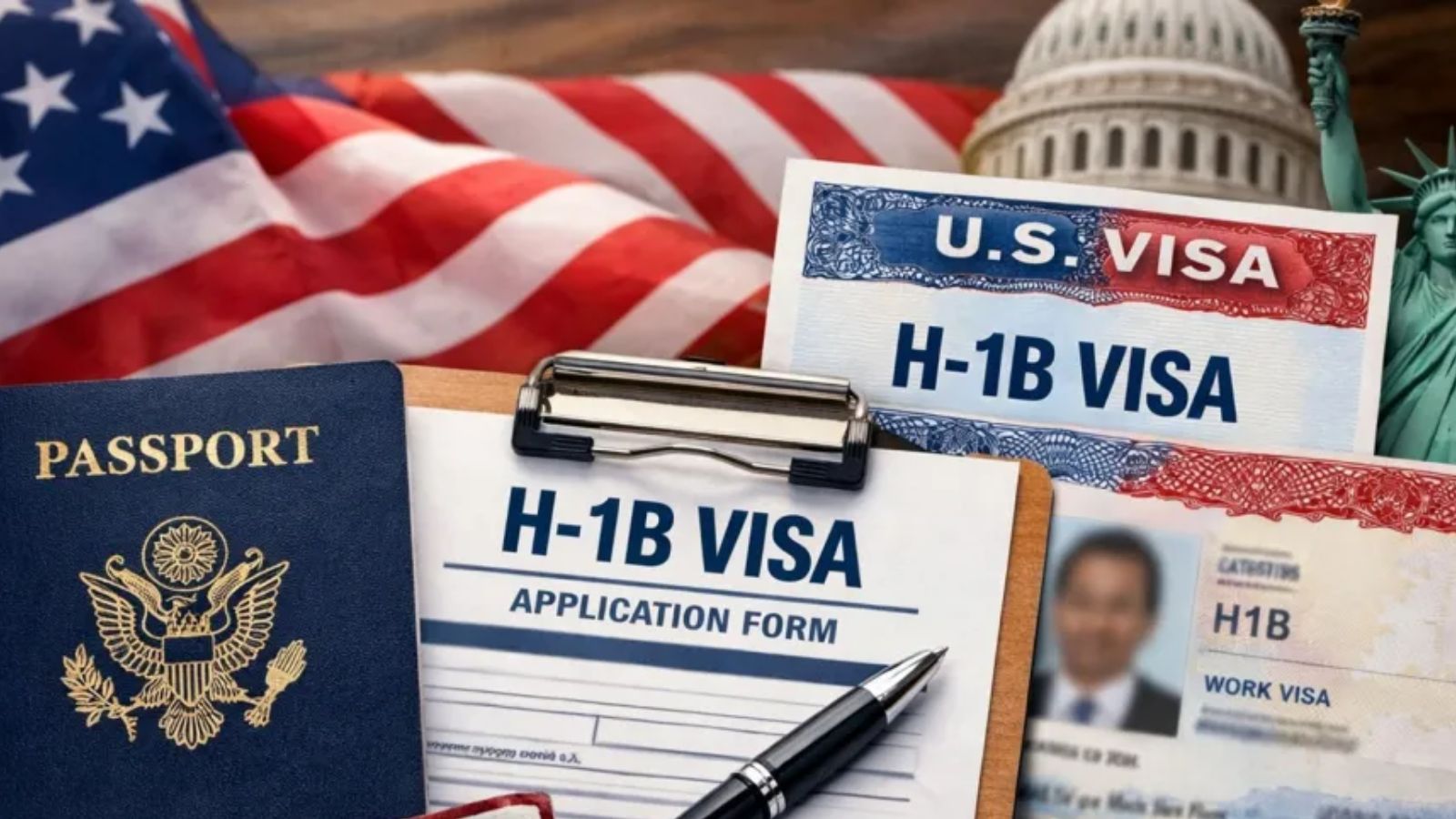
US proposes ending 60-day H-1B grace period for jobless workers
Trump Administration Proposes Ending 60-Day Grace Period for H-1B Workers
US Considers Ending H-4 Spouse Work Permits, Indians Hit Hardest
Trump Administration Tightens Scrutiny of Foreign Student Internships

Trump Administration Tightens Scrutiny of International Student Internships

ICE Awards $16.7 Million Contract for Electric Shock Gloves