

2 hrs ago
Kerala CM’s Post Criticising Cleric Disappears After Meeting

A religious leader said women should mostly stay inside their homes.
Kerala Chief Minister V.D. Satheesan disagreed and called the idea outdated.
He said Islamic history includes women who were business leaders, military leaders and participants in public life.
Scholars connected to the cleric met Satheesan and said he had misunderstood religious history.
Soon afterward, a video of Satheesan making his criticism disappeared from Facebook.
His office said this happened because of a technical problem.
The office also said Satheesan still holds the same opinion.
BJP Kerala claimed the video was removed for political reasons.
The two sides therefore gave different explanations for why the post disappeared.

V.D. Satheesan’s Facebook video criticising Islamic cleric Kanthapuram A.P. Aboobacker Musliyar disappeared from his official page.
The Chief Minister’s Office attributed the video’s disappearance to a technical error and said Satheesan had not withdrawn his position.
Satheesan called the cleric’s comments that women should remain at home a 19th-century mindset.
He cited Khadija, Aisha, Queen Bilqis and women in Khalifa Umar’s court as examples of women’s public roles in Islamic history.
Scholars from the Kanthapuram-led AP Sunni faction objected to Satheesan’s interpretation, while BJP Kerala alleged he deleted the post to protect his position.
- Who
- Kerala Chief Minister V.D. Satheesan, Islamic cleric Kanthapuram A.P. Aboobacker Musliyar, AP Sunni scholars and BJP Kerala.
- What
- A Facebook video in which Satheesan criticised the cleric’s remarks about women disappeared after a meeting with scholars.
- Where
- From Satheesan’s official Facebook page; the scholars met him in Kerala.
- When
- The video disappeared shortly after the scholars met Satheesan on Wednesday night.
- Why
- The Chief Minister’s Office said the disappearance resulted from a technical error, while BJP Kerala alleged political motives.
Official and Satheesan’s Position
Scholars’ and BJP Kerala’s Objections
Women’s role in public life
Official and Satheesan’s Position
Satheesan said restricting women to the home reflects an outdated mindset and cited Islamic historical figures to support women’s public and leadership roles.
Scholars’ and BJP Kerala’s Objections
The Kanthapuram-led scholars objected to Satheesan’s interpretation of Islamic history and specifically challenged his references to Khadija and Aisha.
Why the Facebook video disappeared
Official and Satheesan’s Position
The Chief Minister’s Office said the video disappeared because of a technical error and stated that Satheesan had not retracted his position.
Scholars’ and BJP Kerala’s Objections
BJP Kerala alleged that Satheesan erased the post after meeting Muslim scholars to protect his position as Chief Minister.
Key facts
- Deleted content
- A press-conference video titled “I do not agree with that statement”
- Chief Minister’s position
- Satheesan called the cleric’s views a 19th-century mindset and said they misinterpreted Islam.
- Cleric’s disputed remark
- Kanthapuram A.P. Aboobacker Musliyar said women should remain confined to their homes and that public mingling could cause “great destruction”.
- Official explanation
- The Chief Minister’s Office attributed the post’s disappearance to a technical glitch.
- Scholars’ objection
- The Kanthapuram-led AP Sunni faction accused Satheesan of misinterpreting Islamic history, including his references to Khadija and Aisha.
- Political allegation
- BJP Kerala’s social media handle alleged that Satheesan removed the post to protect his position as Chief Minister.
Quotes
V.D. Satheesan
Kerala Chief Minister who criticized the cleric’s views on women’s public roles
“Even Islamic history and its scriptures say that women have a place in public spaces. Such comments are a result of misinterpretation of Islam. Khadija, the first wife of the Prophet, was a businesswoman, while Ayesha, another wife, had led an army in a war. Women’s voices were respected in the court of Khalifa Umar,”
 thestatesman.com
Sources
Related news
Kerala Chief Minister Satheesan Rejects Kanthapuram’s Restrictions on Women
Kerala CM, Cleric Clash Over Muslim Women’s Public Role

Samastha Chief Backs Kanthapuram Amid Kerala Women Remarks Row
Kerala Cleric’s Remarks on Women Draw Cross-Party Backlash

IUML Defends Kanthapuram Remarks Amid Kerala Women’s Rights Row
Amarinder Singh Seeks Clarity on Modi’s ‘Dimagi Naxal’ Label
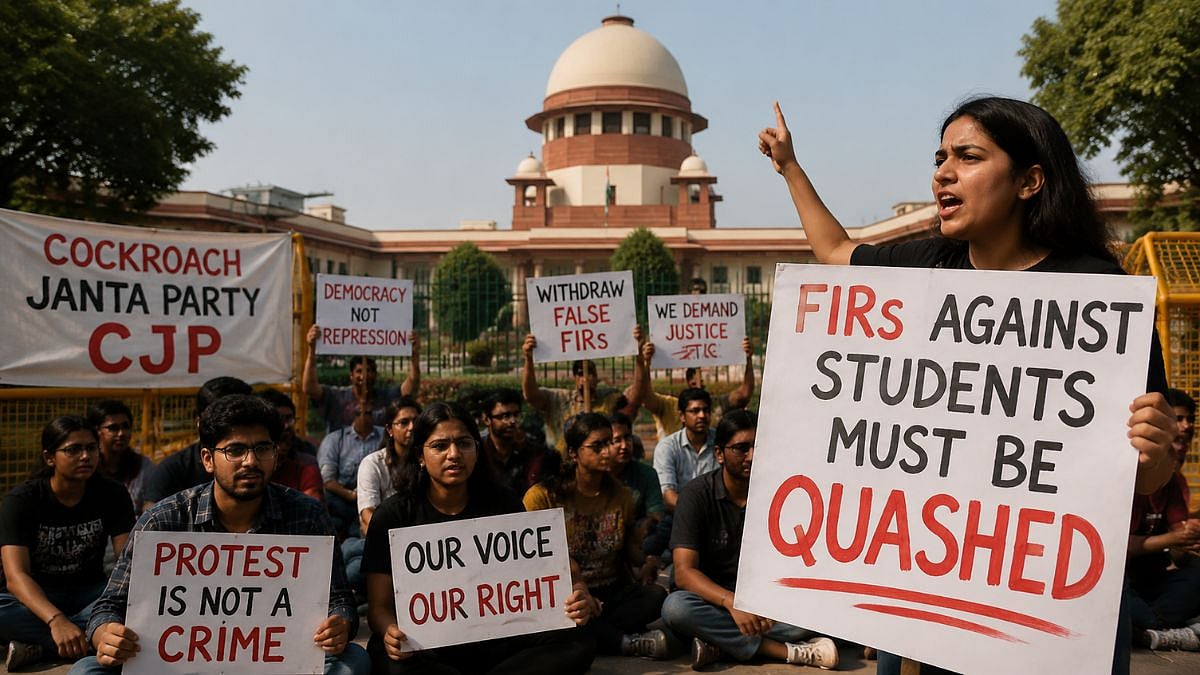
Supreme Court FIR Order Draws Criticism Over Protest Rights
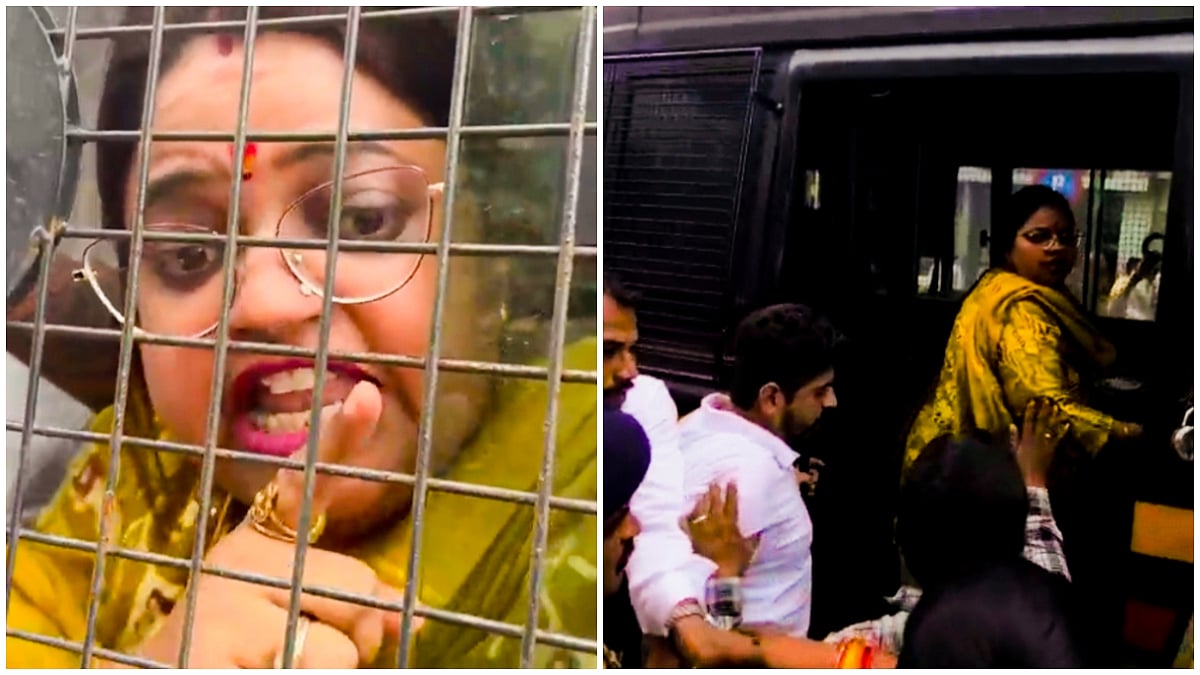
Kalyan Congress Workers Detained Over BJP Office Protest

Karnataka Withdraws Parks Bill After Public Protests