1 hr ago
Keralam's Summer Power Crisis Persists Amid Demand and Monsoon Shortfalls
Keralam is using more electricity than it can currently supply.
People use a lot of power at night for lights, cooling and household activities.
More electric vehicles are also being charged after people return home.
The state does not produce enough electricity itself and must buy much of what it needs.
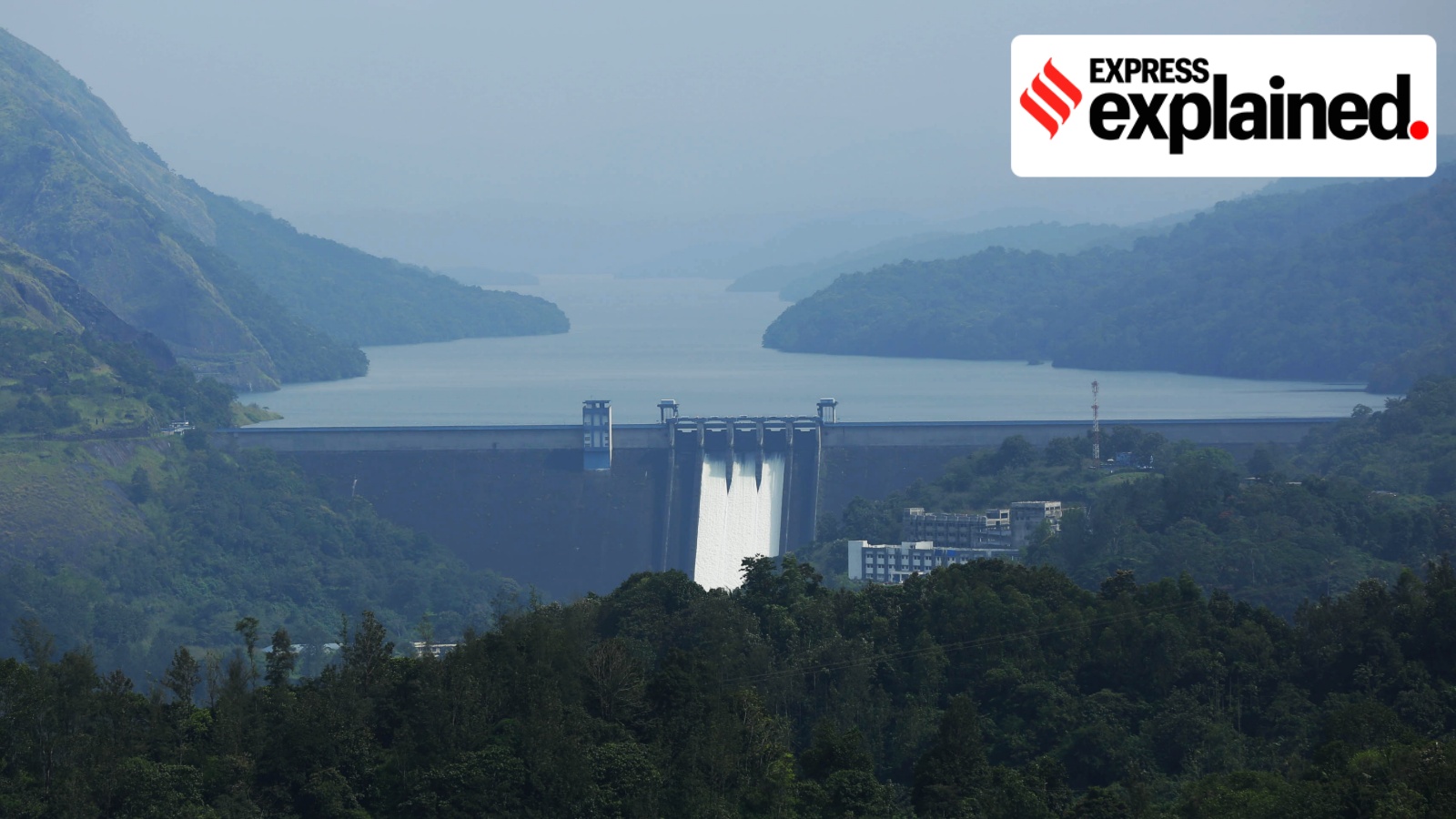
This year’s weak monsoon left less water in dams for generating hydropower.
Hotter-than-usual weather has also increased the use of air conditioners.
Keralam has many rooftop solar panels, but solar power is not available at night.
Batteries that could store solar electricity are planned but are not operating yet.
These combined problems have led to short power cuts in several areas.

Keralam’s average daily power demand rose to 5,000 MW in September 2026 from 3,794 MW a year earlier.
The state could meet only 4,200 MW of demand, while generating 1,650 MW and receiving additional power from central and private agreements.
Night-time demand is increasing because of household electricity use, air-conditioner operation and electric-vehicle charging.
Weak monsoon rainfall left KSEB reservoirs at 63.75% capacity, limiting hydropower generation.
Solar capacity is expanding rapidly, but insufficient storage means it cannot yet address peak night-time demand.
- Who
- The Keralam State Electricity Board, electricity consumers, the Congress-led state government and the Communist Party of India (Marxist)-led opposition are central to the report.
- What
- Keralam is imposing short night-time power cuts because electricity demand exceeds available supply.
- Where
- Across Keralam, with particularly important rainfall and reservoir impacts in Idukki district.
- When
- The cuts have occurred during the week covered by the report, in September 2026, as the southwest monsoon approaches withdrawal.
- Why
- Demand has risen while hydropower output and power available for purchase have fallen because of weak rainfall, heat, limited storage and reduced national market availability.
Opposition Criticism
Systemic Supply Explanation
Responsibility for the crisis
Opposition Criticism
The Communist Party of India (Marxist)-led opposition has blamed the Congress-led government for poor management of the power crisis.
Systemic Supply Explanation
The report attributes the crisis to several factors, including rising demand, weak monsoon rainfall, lower hydropower availability, limited battery storage and reduced power-market supply; it does not provide a detailed government response to the opposition’s allegation.
Role of renewable energy
Opposition Criticism
The state’s large and growing rooftop-solar capacity demonstrates that Keralam has expanded renewable generation.
Systemic Supply Explanation
Solar generation does not solve the immediate night-time shortage because the state lacks operational systems to store enough daytime electricity for use after sunset.
Key facts
- September 2026 demand
- Average daily demand reached 5,000 MW, compared with 3,794 MW in September 2025.
- Available supply
- The state met 4,200 MW of demand, leaving a reported shortfall.
- State generation
- Keralam produces 1,650 MW from sources including hydropower, solar and wind.
- Power imports
- The state receives 1,500 MW from the Central pool, 300 MW through a long-term agreement and 100 MW through a short-term agreement.
- Solar capacity
- Installed solar capacity reached 2,508 MW by the end of May 2026, including about 2,036 MW from rooftop systems.
- Rainfall deficit
- Seasonal rainfall was 26% below normal across Keralam through September 11; Idukki recorded a 47% deficit.
- Reservoir storage
- KSEB reservoirs held 63.75% of maximum storage on September 10, compared with 80.29% at the same time last year.
Sources
Related news
Above-Normal Heat Pushes Kerala Power Demand, Restrictions Possible
Kerala Power Crisis Spurs UDF-CPM Blame Over Cancelled Deal

Kerala Promises October Power Policy Amid Electricity Crisis
India August Power Demand Hits Record as Non-Solar Prices Surge
India’s Electricity Demand Stays Near Summer Peak in September
Telangana Power Demand Hits Record 17,000 MW Amid Drought
Left Parties Choose Solo Tamil Nadu Bypoll Fights
RMP MLA Rema challenges CPI(M) over Chandrasekharan murder admission
Suvendu Adhikari’s Bookstall Attack Draws CPM Photo-Based Rebuttal
Tipra Motha Wins 34 Percent of Tripura Tribal Seats Unopposed