1 hr ago
Iran War Redraws Global Energy Markets, Boosting Renewables

The war in Iran disrupted oil and gas supplies and made energy more expensive.
Countries that buy fuel from other countries had to spend much more money.
Gulf countries lost energy facilities and export income because of attacks and shipping problems.
Some oil and gas producers outside the Gulf made more money by selling extra fuel.
China benefited by selling more solar panels, batteries and electric vehicles.
Many developing countries also started buying more solar equipment and electric vehicles.
Renewable energy grew faster than expected during the first half of 2026.
Global greenhouse-gas emissions increased only slightly, although some countries emitted more and others emitted less.
The long-term effects of the energy disruption remain uncertain.

The conflict has caused fossil-fuel importers to pay more than $330 billion in extra costs since February 28.
China avoided nearly $8 billion in fossil-fuel imports through renewable projects added since 2020.
Chinese clean-technology exports and overseas electric-vehicle sales have reached record levels during the conflict.
Gulf states suffered facility damage, export losses and up to $58 billion in energy-infrastructure damage.
Higher prices have accelerated solar and electric-vehicle adoption in developing economies, while global emissions rose only 0.2% in early 2026.
- Who
- Governments, companies and consumers worldwide, especially energy importers, Gulf producers, China and developing economies.
- What
- The war disrupted fossil-fuel supplies, raised energy costs and accelerated investment in renewable energy, electric vehicles and clean technology.
- Where
- The disruption centered on Iran, the Persian Gulf and the Strait of Hormuz, with economic effects across Asia, Africa, Europe and the Americas.
- When
- The conflict began on February 28; the reported effects cover the following six months and the first half of 2026.
- Why
- US-Israeli strikes, damage to energy facilities and shipping bottlenecks disrupted supplies and increased fossil-fuel prices.
Key facts
- Extra importer costs
- More than $330 billion since the war began, according to the Centre for Research on Energy and Clean Air.
- Gulf export losses
- Initial Gulf export losses averaged nearly $2 billion per day in March, according to a Rice University estimate.
- Infrastructure damage
- As much as $58 billion in energy infrastructure was damaged, according to an April Rystad Energy estimate.
- China import savings
- Renewable projects added since 2020 helped China avoid nearly $8 billion in fossil-fuel imports between March and July.
- African solar imports
- Africa imported 37% more solar equipment from China in the first half of 2026 than in the same period a year earlier.
- Global emissions
- Greenhouse-gas emissions rose 0.2% year over year during the first half of 2026, according to an early Climate Trace analysis.
- Philippines solar imports
- Imports of Chinese solar equipment rose 262% year over year in March.
Quotes
Rafael Rabioglio
BNEF analyst
“Renewables continue to grow. That does seem like good news”
 deccanchronicle.com
“The boost to Latin America’s mining sector could remain”
deccanchronicle.com
Ethan Zindler
BNEF analyst
“In countries where consumers are not being well shielded from higher fuel prices, they are moving very quickly to adjust their energy consumption pattern”
deccanchronicle.com
Sources
Related news

India Faces $22.5 Billion Fossil Fuel Import Shock

Global Economy Weathers Six Months of US-Israel War

India Paid $22 Billion After Strait Of Hormuz Shock

Hormuz Crisis Adds $22.5 Billion to India’s Fossil-Fuel Bill
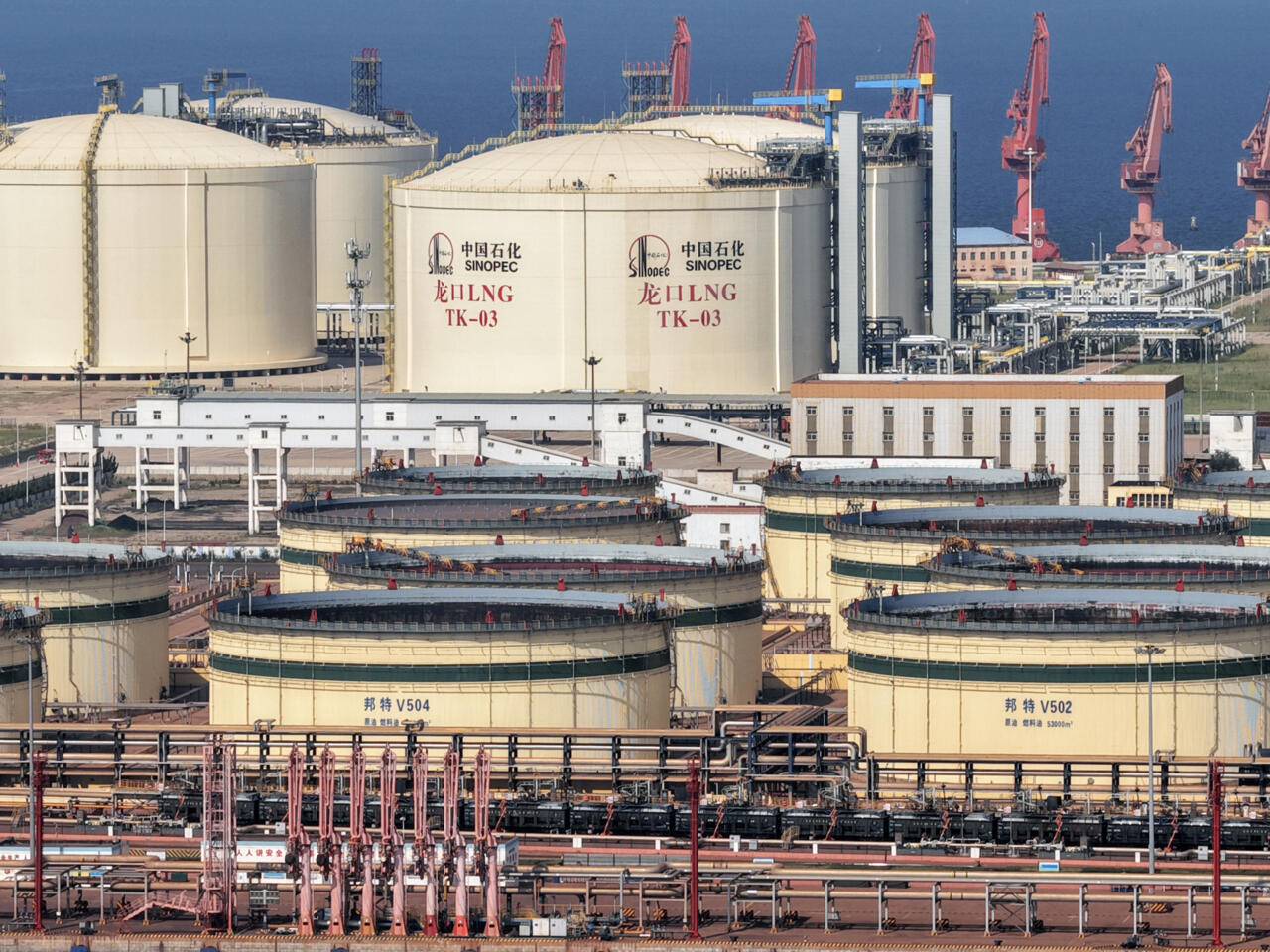
China Emissions Fell in Q2 Due to Oil Use Drop

US Diesel Prices Hit Record High Amid Iran War
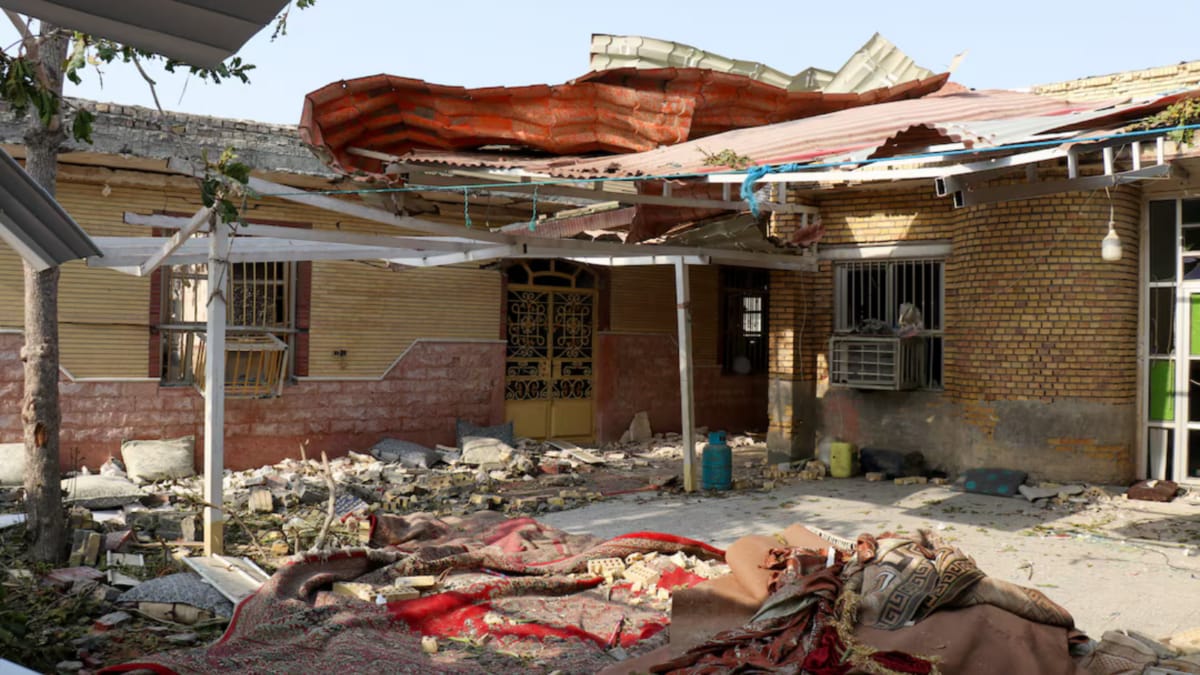
Missile Strike Kills Five At Iranian Wedding, Injures Dozens

India Begins FY28 Budget Planning Amid Subsidy and Deficit Pressures

Jaishankar to Address UN General Assembly Debate September 26
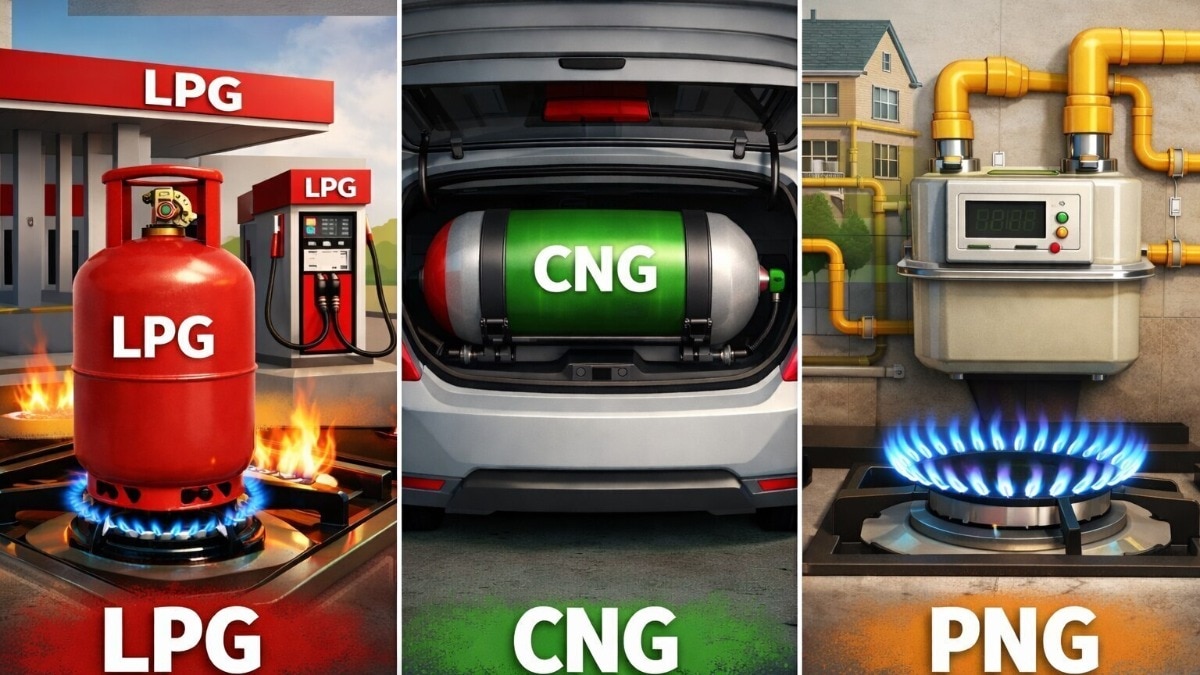
CNG Prices Rise in Delhi Amid West Asia Gas Disruptions