1 week ago
Indian IT Firms Invest $1.1 Billion as H-1B Fees Rise

H-1B visas let U.S. companies temporarily hire skilled workers from other countries.
The U.S. government wants to charge $103,265 for some new H-1B applications.
Nasscom, an Indian technology industry group, says the visa program helps fill jobs when the United States lacks enough workers.
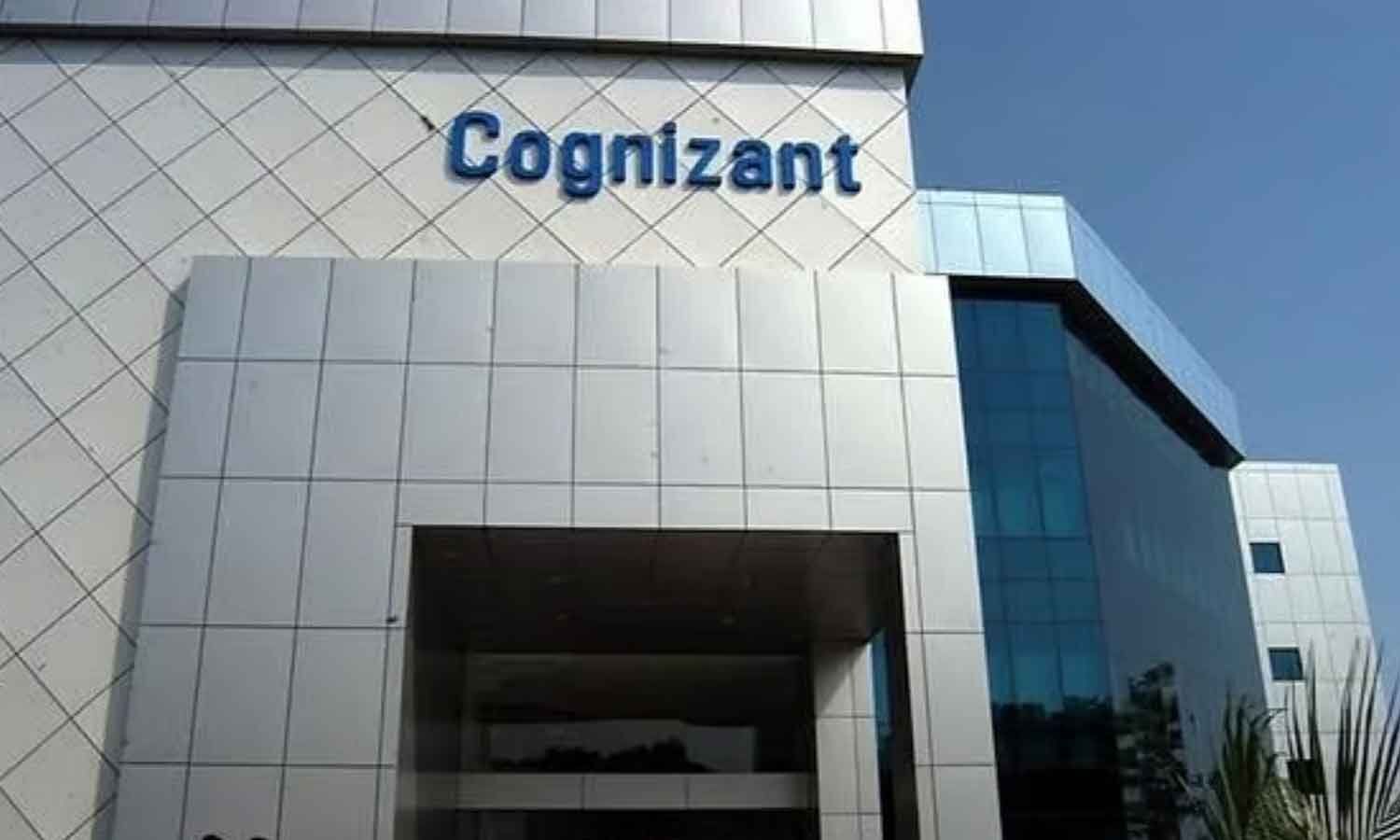
Indian technology companies say they now rely less on bringing workers from India.
They have hired more people locally and spent over $1.1 billion supporting science and technology education in the United States.
Their programs work with more than 130 universities and colleges.
H-1B registrations and applications from major Indian IT companies have dropped sharply.
However, companies are filing more requests to extend visas for workers already in the United States.

Nasscom urged viewing the proposed H-1B fee increase in light of temporary U.S. skill shortages.
The United States proposed a $103,265 fee for cap-subject H-1B petitions, replacing an earlier $100,000 payment.
Indian IT firms have invested more than $1.1 billion in U.S. STEM education and local hiring.
The investment involves more than 130 universities and colleges, 2.9 million students, and over 255,000 employees.
Eligible H-1B registrations fell 38.5% to 211,600 for FY27, while Indian IT companies increasingly filed extension petitions.
- Who
- Nasscom, Indian IT companies, and the U.S. government are central to the issue.
- What
- The United States proposed a $103,265 fee for cap-subject H-1B petitions as Indian IT firms reduce new visa use and increase local investment.
- Where
- The policy concerns the United States and Indian technology companies operating there.
- When
- The proposal is open for public comments and is expected to take several months to finalize; FY27 registration data was released in May.
- Why
- The proposed fee is intended to change the cost of hiring foreign workers, while Nasscom says H-1B visas address temporary U.S. skill shortages.
Industry perspective
U.S. policy concerns
Purpose of H-1B visas
Industry perspective
Nasscom says the program was created to provide temporary skills when the United States has shortages, and says Indian IT companies now use it less than they did a decade ago.
U.S. policy concerns
The U.S. government has adopted measures to reduce skilled immigration, alleging that foreign workers can take jobs from local workers and may be paid below prevailing U.S. wages.
Effect of the proposed fee
Industry perspective
Nasscom says the fee should be evaluated against the program’s role in addressing temporary skill gaps and notes that companies are investing in local hiring and STEM education.
U.S. policy concerns
The proposal would substantially increase the cost of hiring foreign workers, in addition to existing H-1B filing and statutory fees.
Key facts
- Proposed fee
- $103,265 for cap-subject H-1B petitions
- Previous payment
- An earlier $100,000 payment is facing legal challenges and is set to expire next month.
- STEM investment
- Indian IT firms have spent more than $1.1 billion on the U.S. STEM pipeline.
- Education partnerships
- The initiatives involve more than 130 U.S. universities and colleges.
- Reported reach
- The programs affect 2.9 million students and upskill more than 255,000 employees.
- FY27 registrations
- Eligible registrations fell 38.5% to 211,600 from 343,981 the previous year.
- Indian IT applications
- Applications from 18 Indian listed IT services firms and Cognizant fell to 8,160 from 36,453.
Quotes
Nasscom
Industry body representing India’s information technology services sector
“The industry has also spent more than $1.1 billion for strengthening the STEM pipeline in the US, working with more than 130 universities and colleges. It is impacting 2.9 million students and upskilling more than 255,000 employees.”
 rediff.com
Sources
Related news
Nasscom Warns Proposed H-1B Fee Could Limit Skilled Talent

Indian IT Firms Weather Trump’s New H-1B Visa Fee

Indian IT Firms Cut H-1B Applications Amid Higher Fees
US Proposes $103,265 H-1B Fee, Threatening Indian Hiring
Trump H-1B Fee Plan Threatens Indian IT Onsite Model
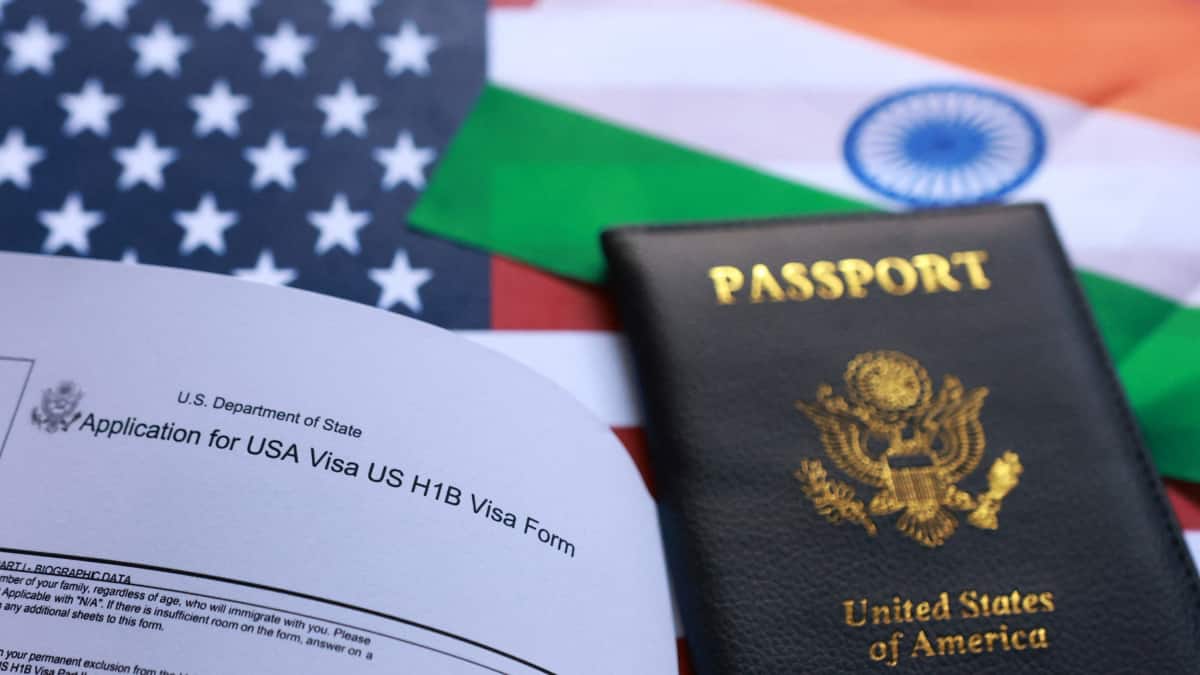
Trump Administration Proposes $103,265 H-1B Fee, Indians Face Impact

Indian IT Eyes AI Deployment Spending For Next Growth Cycle
India's Tech Jobs: AI, Cloud & Cybersecurity Roles Offer High Pay

AI Reprices Indian IT as Smaller Firms Challenge Giants