

1 week ago
Trump H-1B Fee Plan Threatens Indian IT Onsite Model
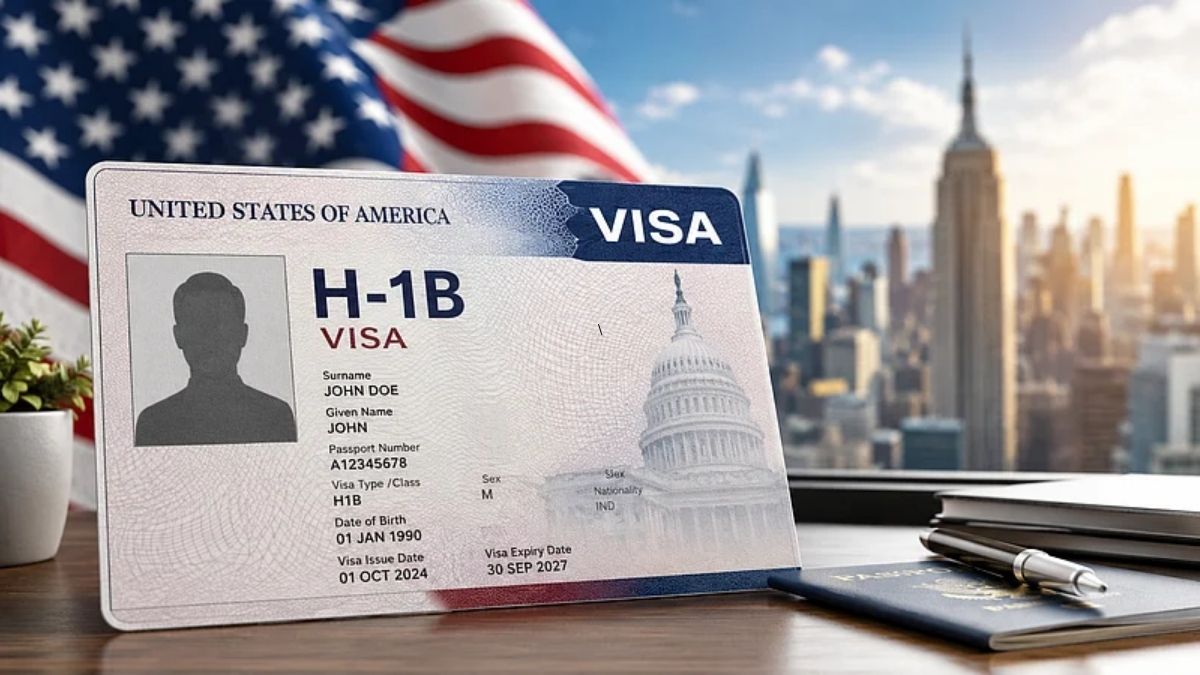
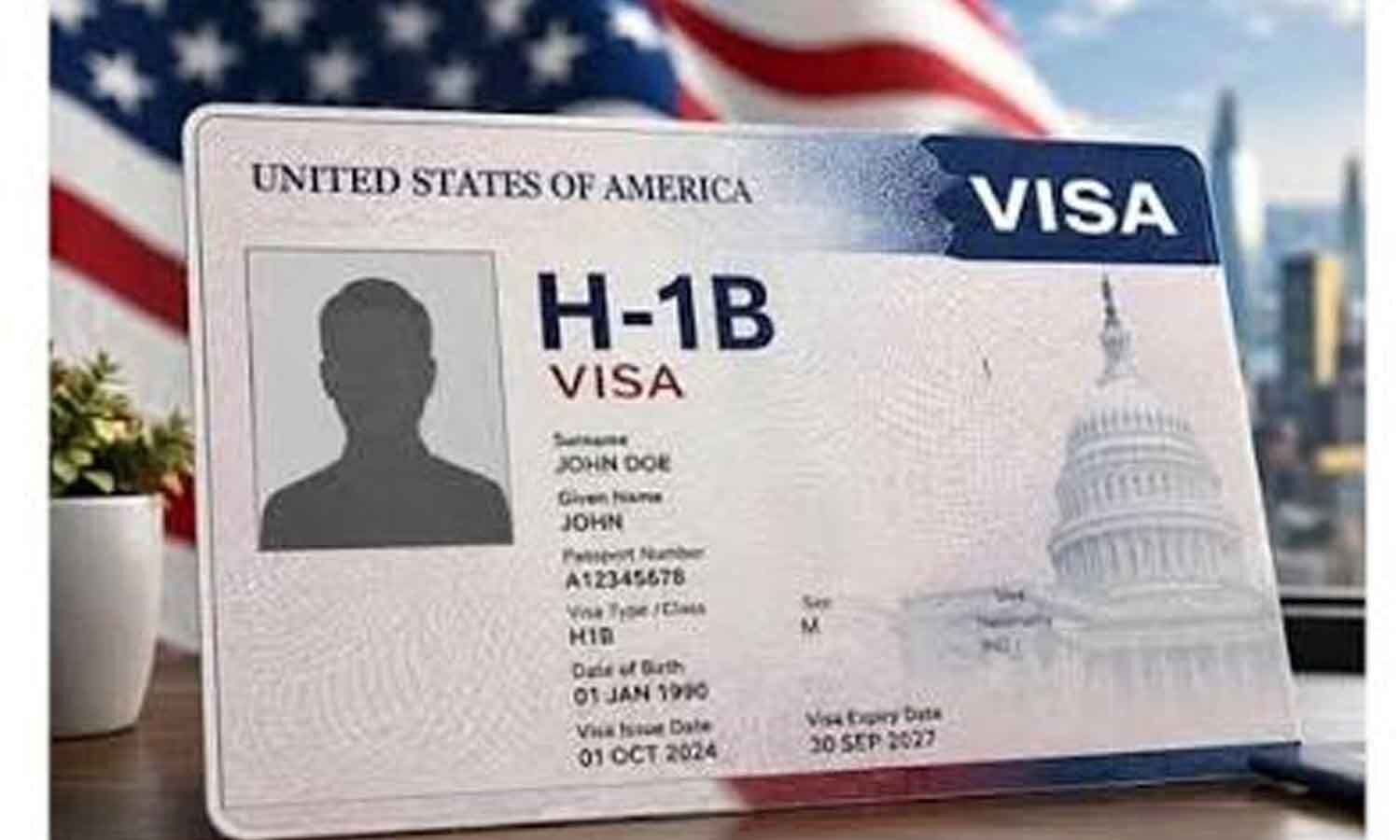
The US government has proposed a very large extra fee for some new H-1B work visas.
These visas help companies bring skilled workers to the United States.
The fee would apply mainly when a new worker first enters the visa system.
It would not apply to ordinary renewals for workers already counted under the visa limit.
Indian technology companies often move employees from India to the US for temporary assignments.
Because the new fee would be expensive, companies may send fewer workers and do more work from India.
They may still bring senior experts to the US when being there is necessary.
The proposal is not final yet and must go through rule-making.

The US Department of Homeland Security proposed an additional $103,265 fee on new cap-subject H-1B petitions.
The fee would cover new cap-subject petitions, including advanced-degree exemptions, but exclude routine extensions and renewals.
Indian IT companies may reserve H-1B applications for specialised roles while shifting more work to India-based teams.
US technology companies and startups could become more selective when sponsoring overseas talent, with startups potentially facing greater pressure.
The proposal remains in the rule-making stage, while Nasscom said H-1B technology workers have already declined as US local hiring expanded.
- Who
- The US Department of Homeland Security, Indian IT services companies, US technology companies and startups, and industry representatives including Nasscom.
- What
- A proposed additional $103,265 fee on new cap-subject H-1B petitions.
- Where
- The proposal concerns H-1B employment in the United States and could affect worker movement between India and the US.
- When
- The proposal was reported Tuesday and remains at the rule-making stage; an earlier $100,000 fee had been struck down by a federal court.
- Why
- The articles state that the Department of Homeland Security is using formal rule-making and its fee-setting authority to impose the charge; they do not give a separate policy justification.
Industry Concerns
Temporary-Skills Access
Effect of the fee
Industry Concerns
Indian IT companies and US startups could face much higher costs, leading them to reduce new sponsorships and become more selective about overseas talent.
Temporary-Skills Access
Nasscom said the H-1B program serves an important purpose by providing temporary skills when the US has short-term shortages.
Workforce model
Industry Concerns
The fee could weaken the traditional model of moving India-trained employees to the US for two- or three-year assignments.
Temporary-Skills Access
Companies could continue moving critical or specialised talent to the US while using more balanced, hybrid delivery models.
Impact on India
Industry Concerns
Fewer Indian technology workers may move to the United States under the proposal.
Temporary-Skills Access
More high-value work could remain in India as companies expand local delivery capabilities and centers of excellence.
Key facts
- Proposed additional fee
- $103,265 per applicable new H-1B petition
- Covered petitions
- New cap-subject H-1B petitions, including those eligible for the US advanced-degree exemption
- Exempt petitions
- Routine extensions and renewals of workers already counted against the H-1B cap
- Likely IT response
- Reserve sponsorship for consultants, senior architects and other roles requiring physical US presence
- Potential business shift
- More remote delivery from India and greater use of India-based centers of excellence
- US STEM investment cited by Nasscom
- More than $1.1 billion, involving over 130 universities and colleges
- Students and employees reached
- 2.9 million students impacted and more than 255,000 employees upskilled
Quotes
Amit Gajwani
Chief operating officer at Mastek
“This could accelerate a broader shift towards building and scaling delivery capabilities here. Companies will continue to move critical talent to the US where physical presence is essential, but the overall model could become more hybrid and balanced.”
 financialexpress.com
“The impact will likely be felt across IT services firms with large teams moving between India and the US could see a more direct impact because international talent deployment is an important part of their operating model.”
financialexpress.com
Sources
Related news
US Proposes $103,265 H-1B Fee, Threatening Indian Hiring
Trump Administration Proposes $103,265 H-1B Fee, Indians Face Impact

Indian IT Firms Weather Trump’s New H-1B Visa Fee
DHS Proposes $103,265 Additional Fee for Cap-Subject H-1B Visas
Nasscom Warns Proposed H-1B Fee Could Limit Skilled Talent

New foreign firms expected to drive Indian GCC headcount growth

AI Data Annotation Boom Creates Low-Paying Jobs in India

India's AI Advantage May Come From Execution, Not Models
India's Tech Jobs: AI, Cloud & Cybersecurity Roles Offer High Pay
