

12 hrs ago
Gundlach Warns Next US Recession Could Trigger Treasury Debt Crisis

Jeffrey Gundlach thinks the next US recession could create serious problems because the government already has a lot of debt.
He says investors might stop treating long-term government bonds as a safe place during a downturn.
Usually, bond prices rise when the economy struggles, but recent inflationary shocks have sometimes hurt both stocks and bonds.
Gundlach believes long-term interest rates could rise instead of fall during the next recession.
He estimates the budget deficit could reach 12% of the economy and yearly interest costs could reach $3 trillion.
The Federal Reserve and Treasury might then take unusual steps to limit rising borrowing costs.
One idea is for the Fed to buy longer-term bonds, similar to Operation Twist.
Gundlach also mentioned changing bond payments, but said that could anger investors and damage confidence in US borrowing.

Jeffrey Gundlach warned that the next US recession could trigger a debt crisis and sharply higher long-term Treasury yields.
He said a recession could push the budget deficit to 12% of GDP and annual interest costs to about $3 trillion.
Gundlach is favoring low-duration assets because he expects interest rates to eventually rise further.
He said the Federal Reserve could revive Operation Twist to contain long-term yields if they approach 6.5%.
Another possibility he raised was restructuring Treasury debt by reducing coupon payments, though he acknowledged investors would react angrily.
- Who
- Jeffrey Gundlach, chief executive of DoubleLine Capital, made the warning.
- What
- He warned that the next US recession could trigger a fiscal and Treasury debt crisis, sending long-term yields higher.
- Where
- New York.
- When
- He made the comments at an event in New York; the articles do not provide a specific date.
- Why
- Gundlach expects a recession to sharply increase the budget deficit and interest costs, potentially undermining the traditional safe-haven role of long-term bonds.
Traditional Bond Safety View
Gundlach’s Fiscal-Crisis View
Role of bonds in a recession
Traditional Bond Safety View
Conventional market thinking treats bonds as a safe haven that can buffer stock-market losses during economic downturns.
Gundlach’s Fiscal-Crisis View
Gundlach argues that the next recession could be different, with long-term Treasury yields rising because of a debt crisis.
Ability to cut interest rates
Traditional Bond Safety View
Lowering interest rates is a conventional tool for helping stimulate the economy during a downturn.
Gundlach’s Fiscal-Crisis View
If the recession is inflationary, bond selloffs could continue and limit how much central banks can stimulate by cutting rates.
Government response
Traditional Bond Safety View
The articles describe no specific conventional response beyond standard monetary policy tools.
Gundlach’s Fiscal-Crisis View
Gundlach said policymakers might use an Operation Twist-style intervention or restructure Treasury debt if borrowing costs become unsustainable.
Key facts
- Speaker
- Jeffrey Gundlach, chief executive of DoubleLine Capital
- Potential deficit
- Gundlach said the US budget deficit could reach 12% of GDP during a recession.
- Potential interest expense
- He estimated annual interest costs could reach about $3 trillion.
- Expected market effect
- Long-term Treasury yields could rise sharply during the next recession.
- Gundlach’s positioning
- He is focusing on low-duration assets while expecting yields to ultimately move higher.
- Possible policy response
- The Federal Reserve could use an Operation Twist-style policy to suppress long-term rates.
- Potential trigger level
- Gundlach said action might occur when long-term yields reach about 6.5%.
- Alternative proposal
- He also raised restructuring Treasury debt by reducing coupon payments on outstanding bonds.
Quotes
Jeffrey Gundlach
Chief executive of DoubleLine Capital
“If there’s a recession, there’s going to be incredible attention paid to the fiscal situation. You would have the budget deficit go easily to 12% of GDP. That would create $3 trillion of interest expense probably per year, and you just can’t do it.”
 livemint.com
“We’re in backward land and in the next recession long-term rates are going to go up and they’ll go up because of the debt crisis that it’s going to usher in.”
livemint.com
Sources
Related news
US Debt Hits $40 Trillion as Dalio Warns of Crisis

Treasury Buybacks Leave Investors Uncertain Over Bond Yields
U.S. Debt Tops $40 Trillion, Prompting Fresh Fiscal Crisis Warnings
US $40 Trillion Debt Raises Global Bond Market Fears
US Treasury Yields Top 5% Amid Global Bond Market Strain
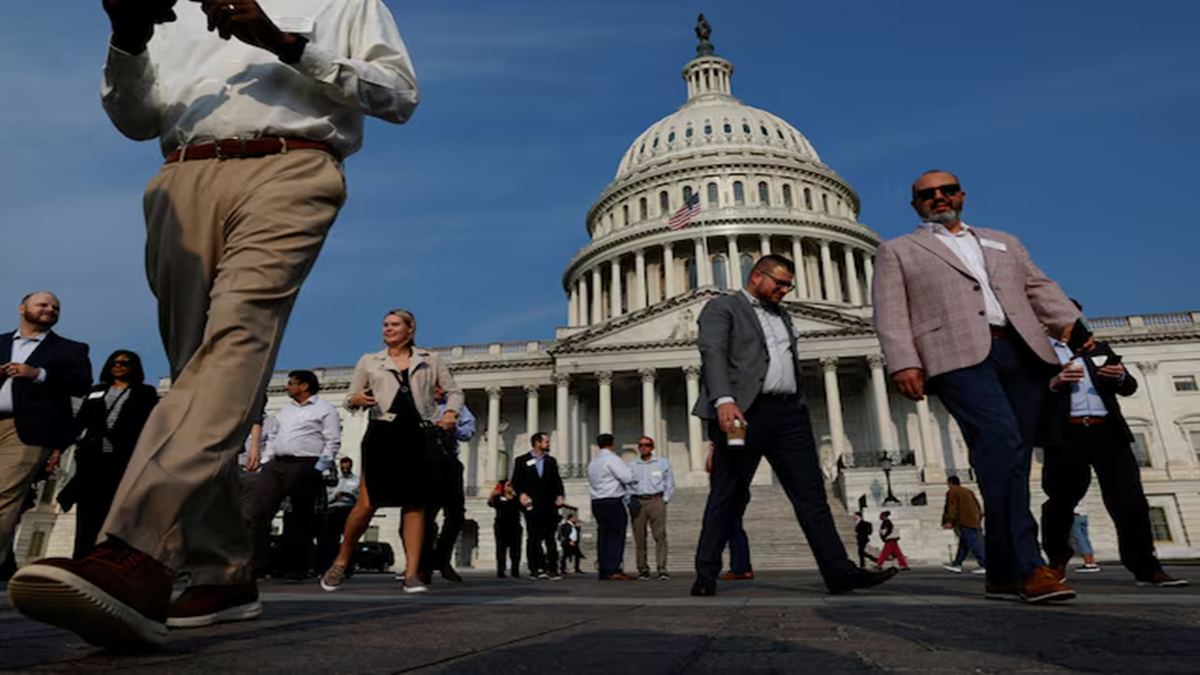
America’s Rising Debt Puts Global Bond Markets on Alert
Raghuram Rajan Warns of Rising Private Credit Risks
