

2 hrs ago
Rajiv Gandhi Rejected Gorkhaland Demand 40 Years Ago
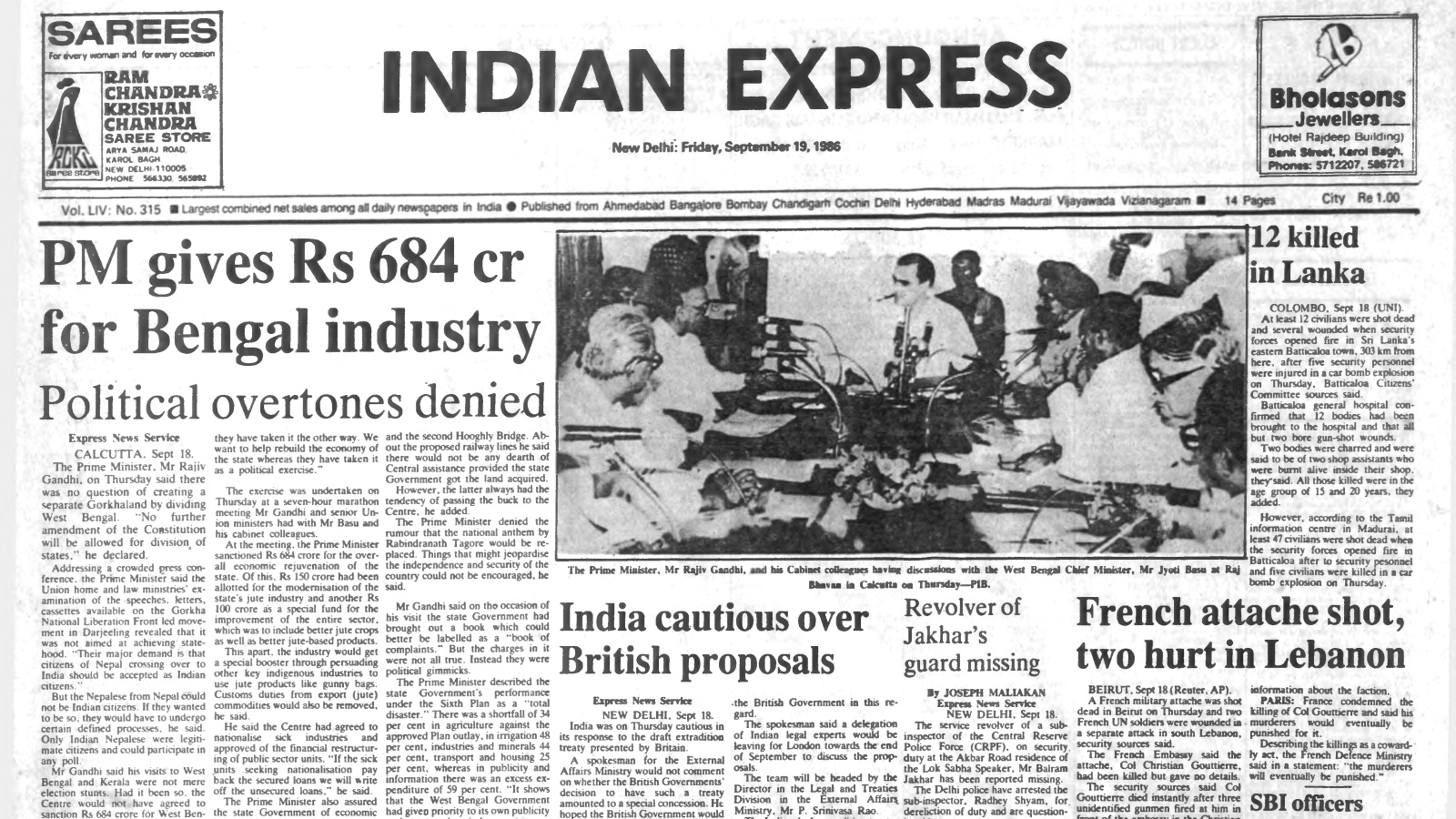
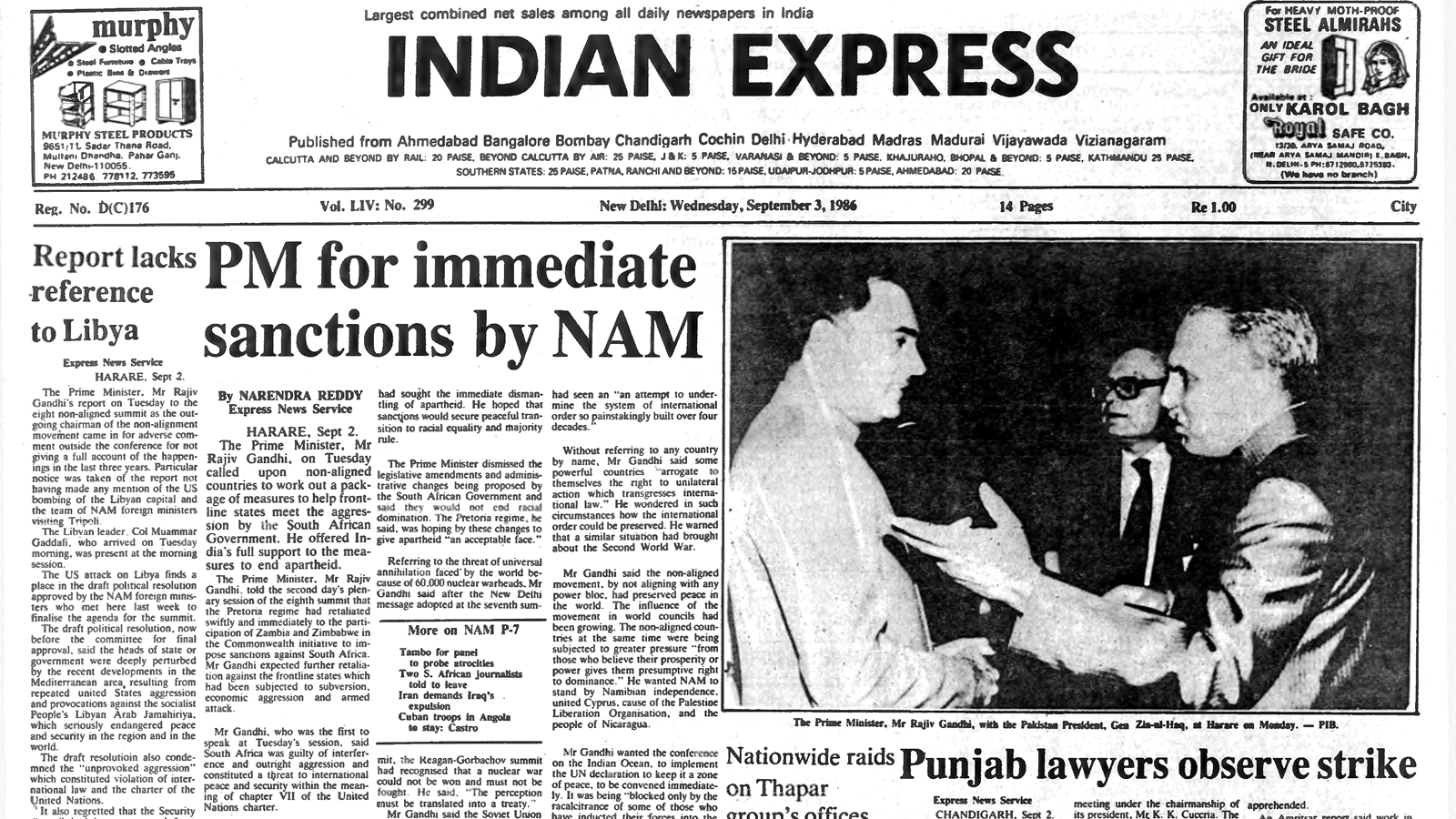
Forty years ago, Prime Minister Rajiv Gandhi rejected the idea of creating a new state called Gorkhaland from West Bengal.
He said India would not make another constitutional change to divide states.
Government ministries studied speeches, letters and recorded cassettes from the movement in Darjeeling.
The government said the movement was mainly asking for Nepali citizens entering India to be accepted as Indian citizens.
The article also describes a separate issue involving Britain.
Britain had presented India with a draft treaty about extradition.
India did not immediately say whether the treaty was a special favor.
An Indian ministry spokesman said Britain should use its existing laws and powers to address terrorism aimed at India.

Prime Minister Rajiv Gandhi said India would not create Gorkhaland by dividing West Bengal.
He declared that no further constitutional amendment would be allowed for dividing states.
Union home and law ministries examined speeches, letters and cassettes linked to the Gorkha National Liberation Front movement.
According to the government, the movement’s major demand concerned citizenship for Nepali citizens crossing into India.
India cautiously responded to Britain’s draft extradition treaty, urging use of existing laws and executive powers against terrorism directed at India.
- Who
- Prime Minister Rajiv Gandhi, the Gorkha National Liberation Front movement, India’s Union home and law ministries, and the British Government.
- What
- Rajiv Gandhi rejected creating Gorkhaland by dividing West Bengal; the article also reports India’s cautious response to Britain’s draft extradition treaty.
- Where
- The Gorkhaland movement was centered in Darjeeling, West Bengal; the extradition discussion involved India and Britain.
- When
- About 40 years ago; the article does not provide an exact date.
- Why
- Gandhi said ministry reviews showed the movement was not primarily aimed at achieving statehood, while India urged Britain to use existing powers against terrorism directed at India.
Government Position
Movement’s Reported Demand
Purpose of the movement
Government Position
Rajiv Gandhi said the government’s examination of available material showed that the movement was not aimed at achieving a separate state.
Movement’s Reported Demand
The movement’s major demand was described as accepting Nepali citizens crossing into India as Indian citizens, rather than statehood.
Division of West Bengal
Government Position
Gandhi said there was no question of creating Gorkhaland by dividing West Bengal and opposed further constitutional amendments for dividing states.
Movement’s Reported Demand
The article reports the Gorkha National Liberation Front-led movement but does not provide a direct response from its leaders to Gandhi’s position.
Key facts
- Prime minister
- Rajiv Gandhi
- Statehood position
- Gandhi said there would be no separate Gorkhaland created by dividing West Bengal.
- Government review
- The Union home and law ministries examined speeches, letters and cassettes linked to the movement.
- Reported major demand
- Acceptance of citizens of Nepal crossing into India as Indian citizens.
- Movement location
- Darjeeling, West Bengal
- Treaty issue
- Britain presented India with a draft extradition treaty.
- India’s response
- India urged Britain to use existing laws, political will and executive powers against terrorism directed at India.
Quotes

Rajiv Gandhi
India’s prime minister at the time, who addressed the press conference.
“Their major demand is that citizens of Nepal crossing over to India should be accepted as Indian citizens.”
 indianexpress.com
“No further amendment of the Constitution will be allowed for division of states.”
indianexpress.com
Sources
Related news

Kerala Congress Leaders Remember Rajiv Gandhi on Birth Anniversary
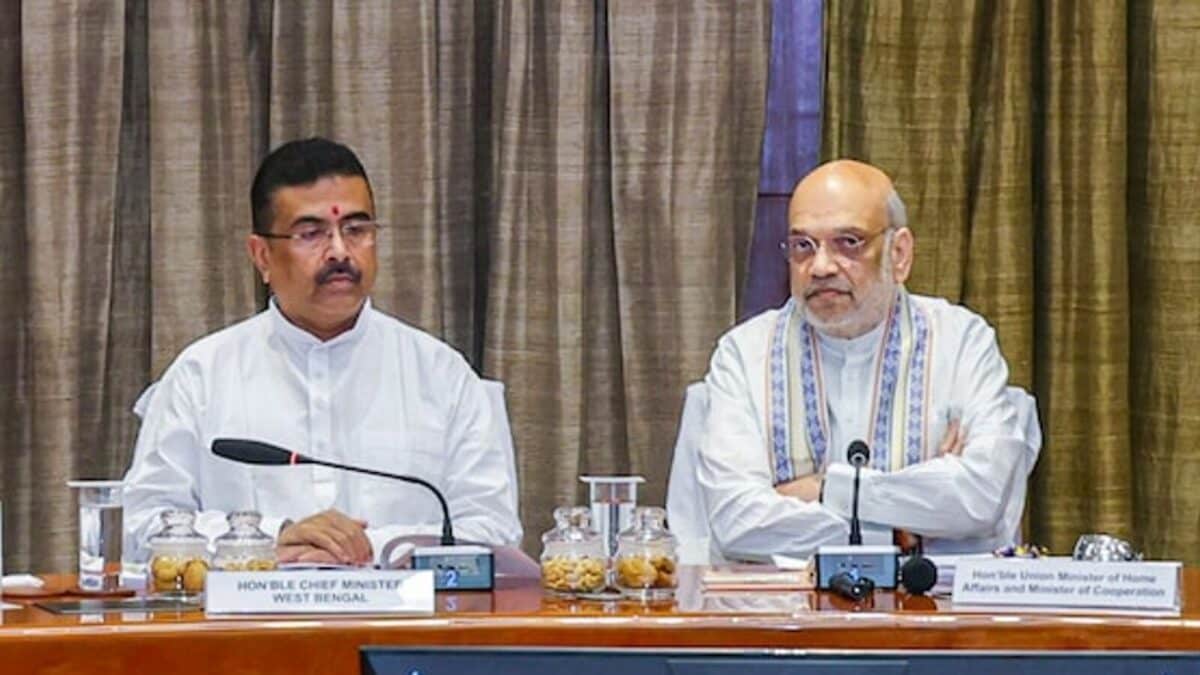
Centre Pursues Constitutional Permanent Solution for Darjeeling Hills

Gurung Insists Terai, Dooars Stay in Gorkha Settlement
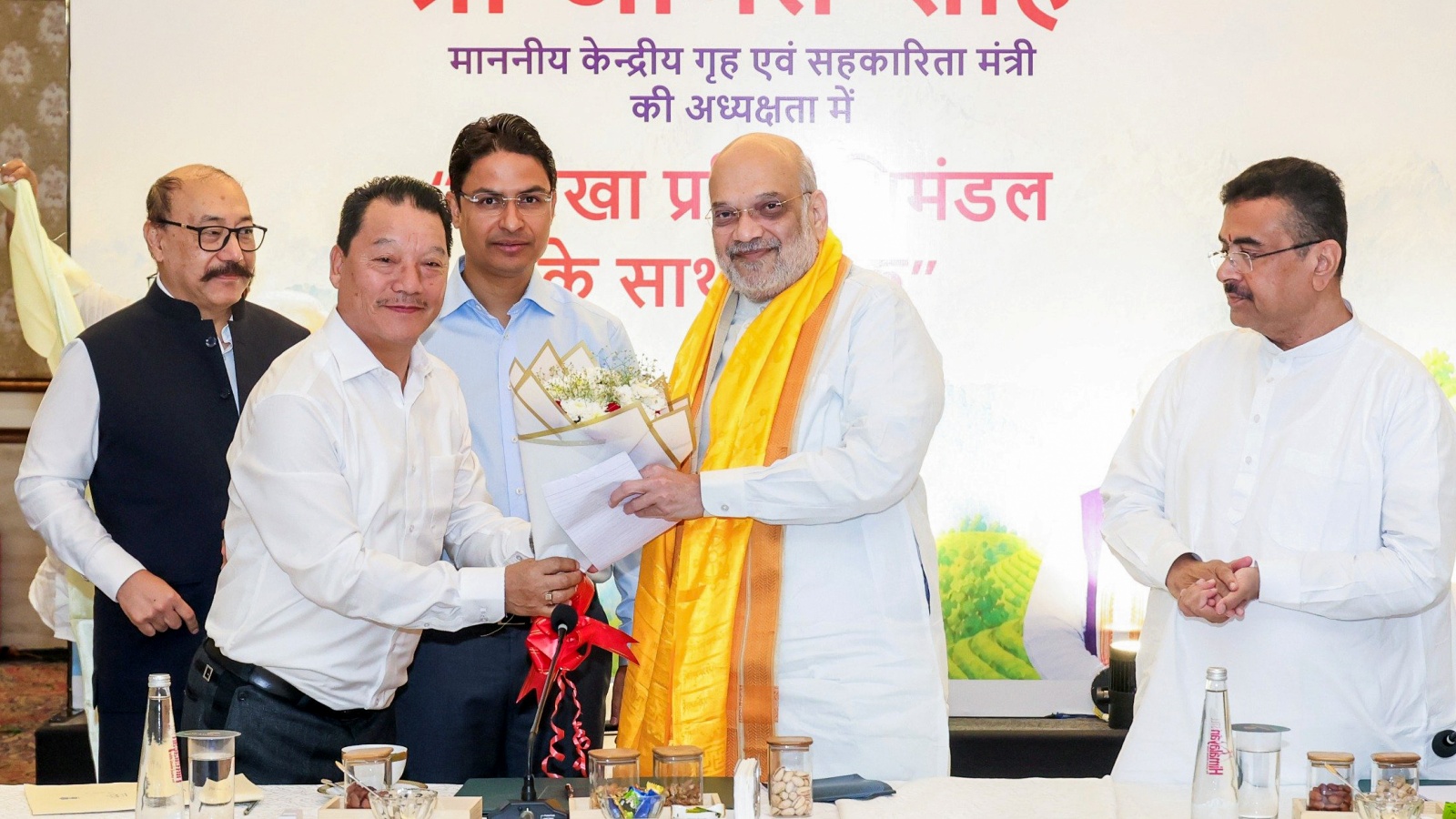
Amit Shah Backs Permanent Political Settlement for Darjeeling Hills
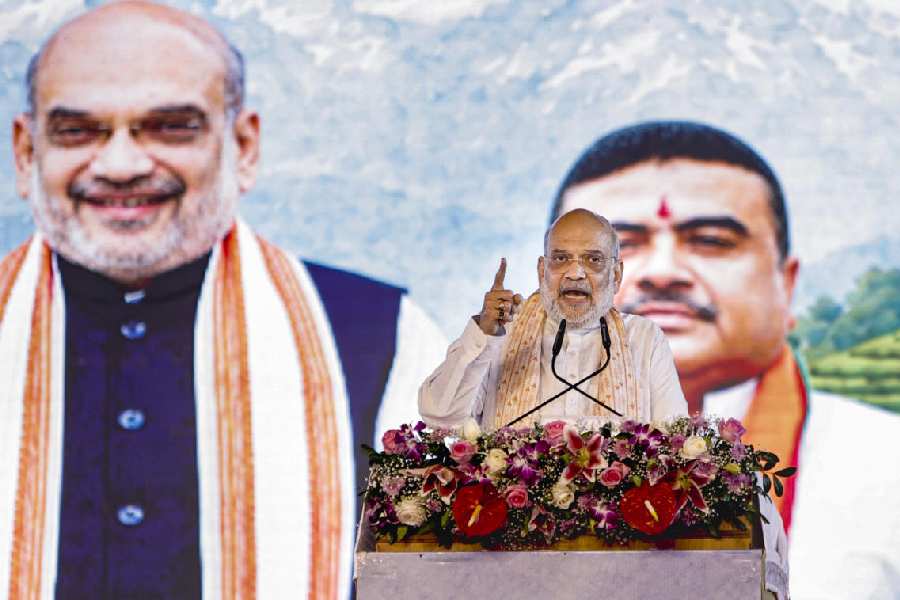
Centre Forms Panel for Permanent Constitutional Gorkha Solution
Rajiv Gandhi Urges Sanctions Amid Transport Reversal, Black Sea Toll
BGPM Foundation Day Tests Thapa’s Support as BJP Advances
Shah Forms Panel for Darjeeling’s Permanent Political Solution
