

1 week ago
Centre Forms Panel for Permanent Constitutional Gorkha Solution
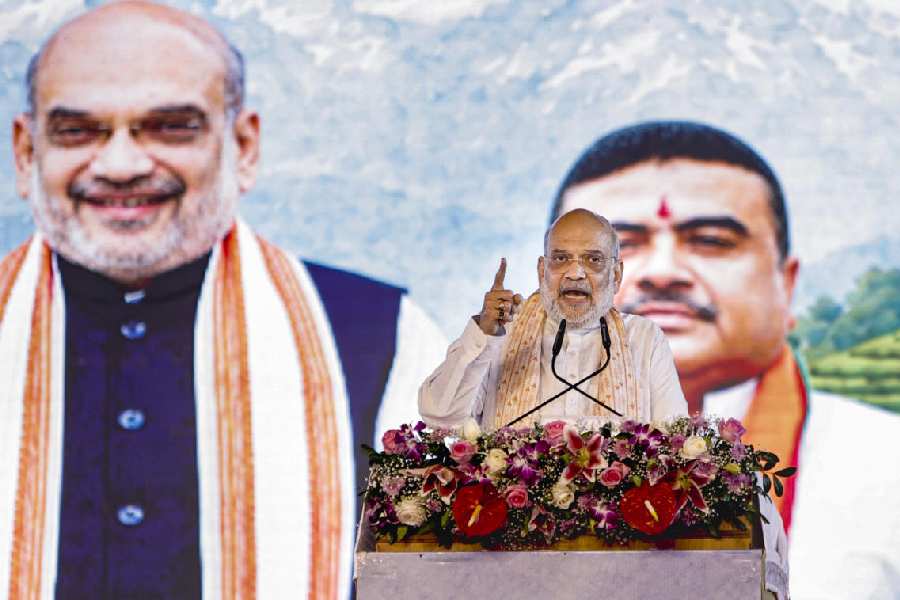
The central government has created a committee to help make a new plan for Gorkha-related demands.
Pankaj Kumar Singh will lead the committee.
Home Minister Amit Shah met Gorkha leaders and West Bengal government representatives in Sukna.
They discussed the hills of Darjeeling and nearby areas.
The goal is to find a permanent political solution.
The government says the solution must follow India’s Constitution.
Shah also said the Centre would consider other community demands and provide adequate funding for pending issues.
Gorkha leaders said they were willing to work with the Centre through constitutional methods.
Earlier councils and agreements did not settle all political and identity-related demands.

The Centre formed a Ministry of Home Affairs committee to draft an agreement on long-standing Gorkha issues.
The committee will be led by government interlocutor Pankaj Kumar Singh, appointed in October 2025.
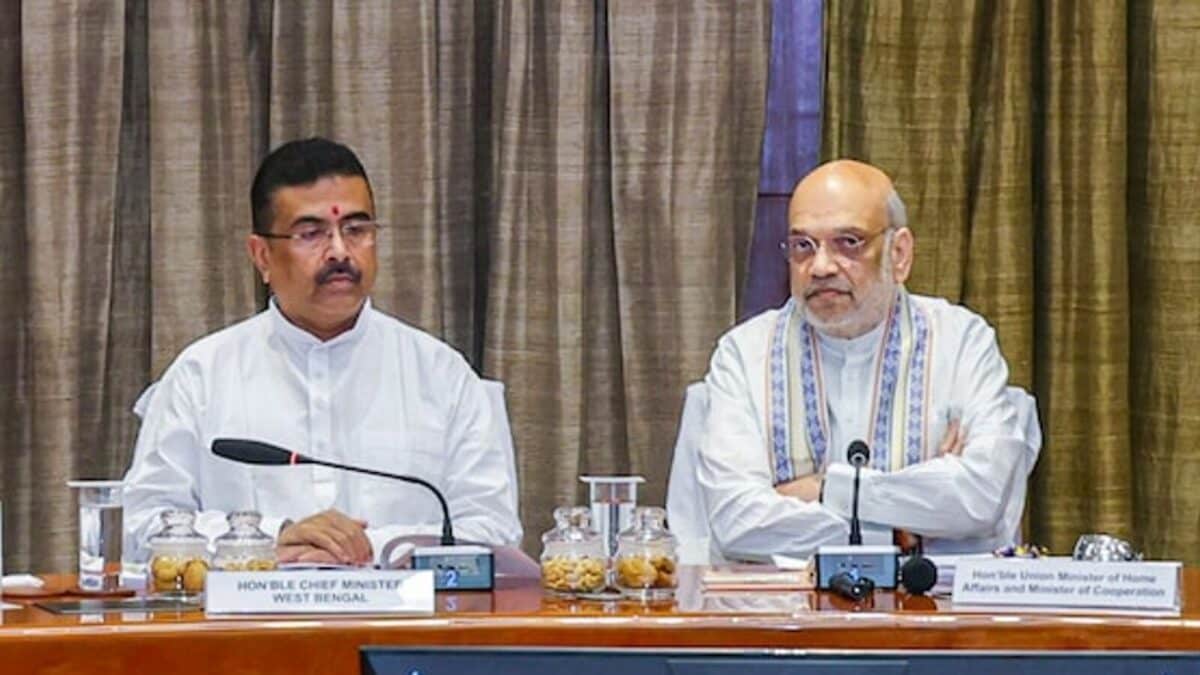
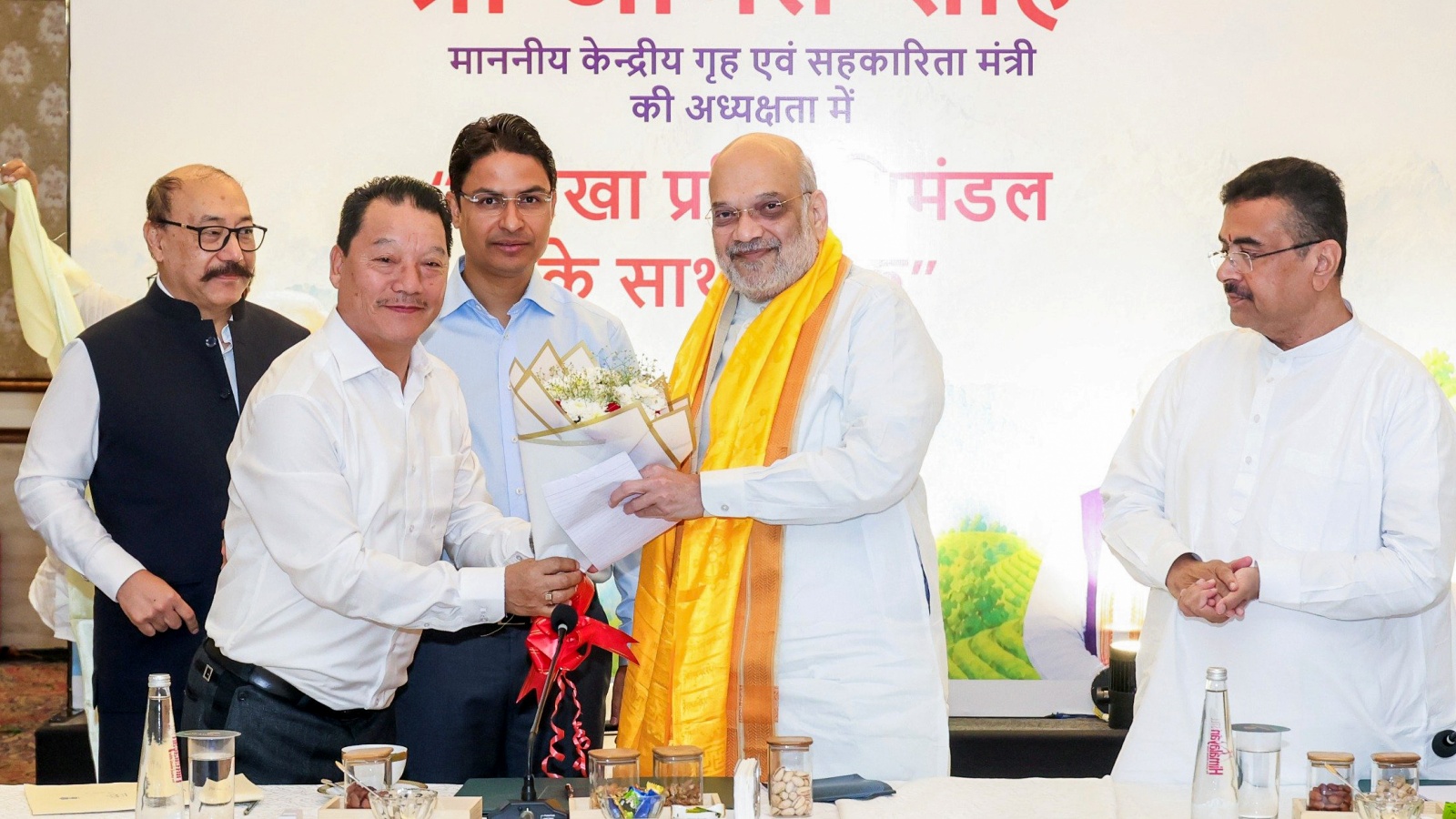
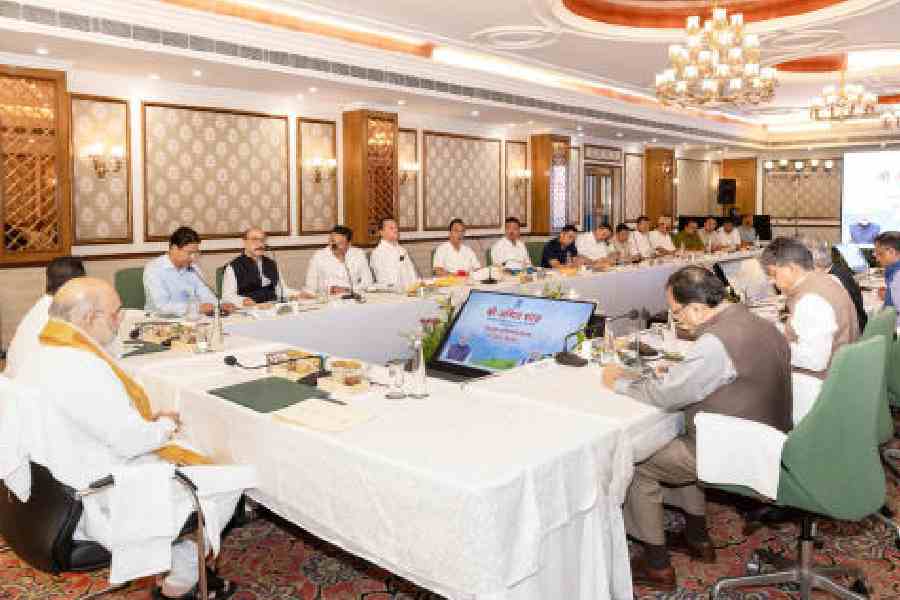
Amit Shah met Gorkha leaders, West Bengal government representatives and other stakeholders at Sukna in the Darjeeling foothills.
The meeting focused on a permanent political solution for the hill areas within India’s constitutional framework.
Officials and leaders cited unresolved demands despite earlier arrangements including the DGHC and Gorkhaland Territorial Administration.
- Who
- The Ministry of Home Affairs, Union Home Minister Amit Shah, Gorkha leaders, the West Bengal government and regional stakeholders; BJP MP Raju Bista announced the committee.
- What
- A committee was formed to finalise the modalities and draft an agreement for a permanent political solution to Gorkha and hill-area issues.
- Where
- A hotel in Sukna, in the Darjeeling foothills of West Bengal.
- When
- Saturday, during Amit Shah’s third and final day of his north Bengal visit; the meeting coincided with the date of the 1988 Gorkha accord.
- Why
- To address demands concerning Gorkha identity, political recognition, autonomy and constitutional protection through a negotiated constitutional process.
Supporters of a Constitutional Settlement
Criticism and Concerns About Previous Arrangements
Preferred approach
Supporters of a Constitutional Settlement
The Centre and Gorkha leaders are pursuing a permanent political solution within India’s constitutional framework. GJM leader Roshan Giri said Gorkha leadership would work with the Centre through constitutional means.
Criticism and Concerns About Previous Arrangements
The reports note that earlier arrangements, including the DGHC and GTA, left core political and identity-related demands unresolved and arguably failed to provide lasting stability.
Assessment of past governments
Supporters of a Constitutional Settlement
BJP MP Raju Bista alleged that previous Left and Trinamool Congress governments suppressed hill communities’ aspirations and cited deaths, displacement and abuses during the decades-long struggle.
Criticism and Concerns About Previous Arrangements
Bista’s allegations were not independently verified in the reports, and no response from the previous governments was provided.
Scope of the solution
Supporters of a Constitutional Settlement
The MHA said demands for distinct identity, permanent political resolution and constitutional recognition were discussed, with central funding promised for pending issues.
Criticism and Concerns About Previous Arrangements
The reports do not specify the committee’s final recommendations or whether all participating groups agree on the form of political recognition or autonomy.
Key facts
- Committee leader
- Pankaj Kumar Singh, the government interlocutor and former deputy national security advisor, will lead the committee.
- Committee mandate
- The panel will finalise modalities and details for an agreement aimed at a permanent constitutional political solution.
- Meeting participants
- Amit Shah met Gorkha leaders, West Bengal government representatives, hill politicians, state ministers, BJP MLAs and senior officials.
- Additional assurance
- The Ministry of Home Affairs said Shah promised to consider other community demands and that adequate central funding would address pending issues.
- Historical reference
- The meeting coincided with the date of the 1988 Gorkha accord, which led to the Darjeeling Gorkha Hill Council.
- Earlier arrangement
- A 2011 tripartite agreement led to the creation of the Gorkhaland Territorial Administration.
- Unresolved outcome
- The reports say the DGHC and GTA did not secure long-term peace, economic prosperity and political stability or resolve core political and identity-related demands.
Quotes

Ministry of Home Affairs
India’s central ministry that issued the statement on the tripartite meeting
“To finalise modalities, it was decided to form a committee under Shri Pankaj Kumar Singh, former deputy national security advisor and current interlocutor, to finalise the details regarding the final agreement that will be drafted towards a permanent political solution for the people of the hill areas of West Bengal under the Constitution of India.”
 rediff.com
“All issues relating to the hill population of West Bengal were discussed in detail. Their demands pertaining to a distinct identity, a permanent political solution and recognition under the Constitution of India were taken up. The Union Home Minister promised a permanent political solution soon under the umbrella of the Constitution.”
rediff.com
Sources


Related news

Amit Shah Meets Gorkha Leaders, Forms Panel for Solution
Centre Pursues Constitutional Permanent Solution for Darjeeling Hills
Amit Shah Backs Permanent Political Settlement for Darjeeling Hills
Shah Forms Panel for Darjeeling’s Permanent Political Solution

Amit Shah Chairs Talks on Permanent Bengal Hills Solution

Gurung Insists Terai, Dooars Stay in Gorkha Settlement
