

1 week ago
Centre Pursues Constitutional Permanent Solution for Darjeeling Hills
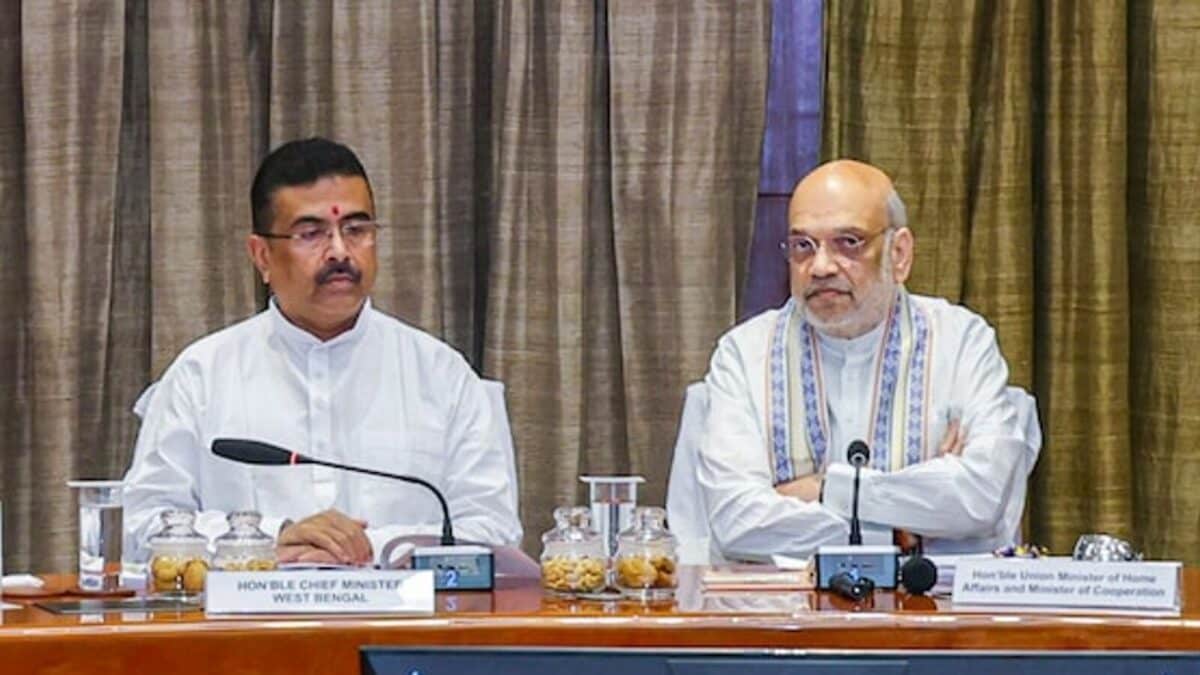
People in the Darjeeling hills have long wanted their Gorkha identity and political interests to receive stronger recognition.
Some groups have asked for a separate state called Gorkhaland, while others support greater powers within West Bengal.
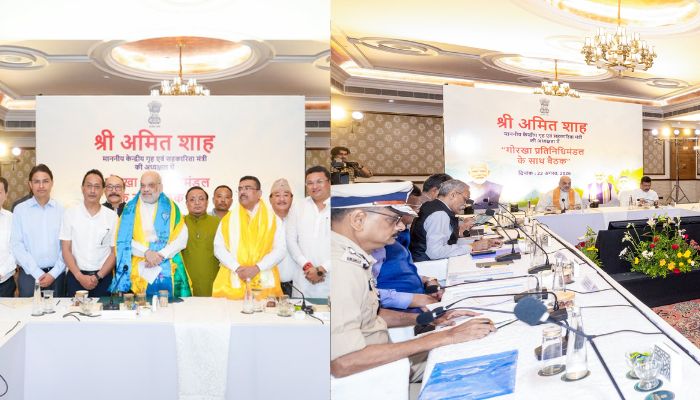
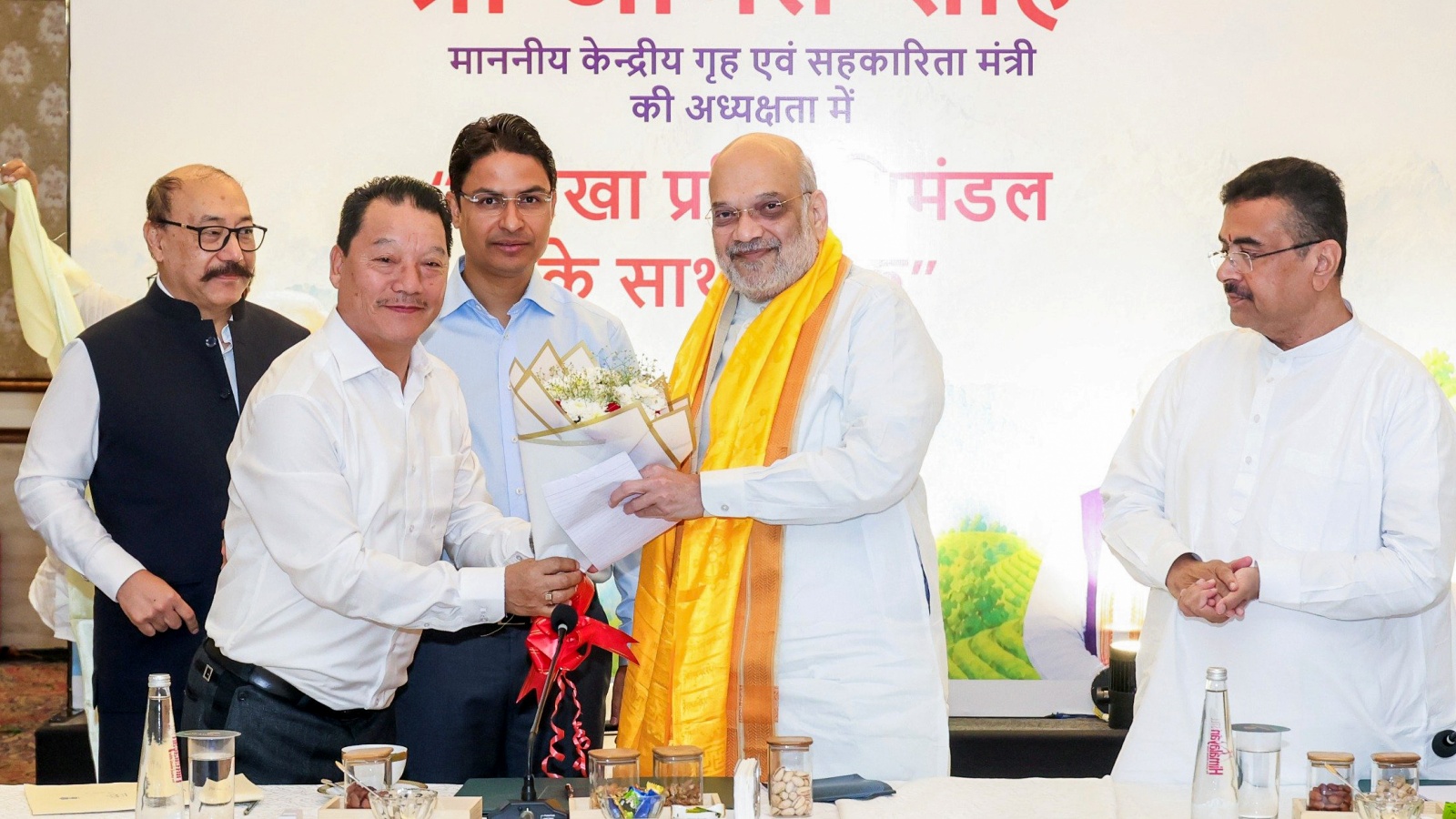
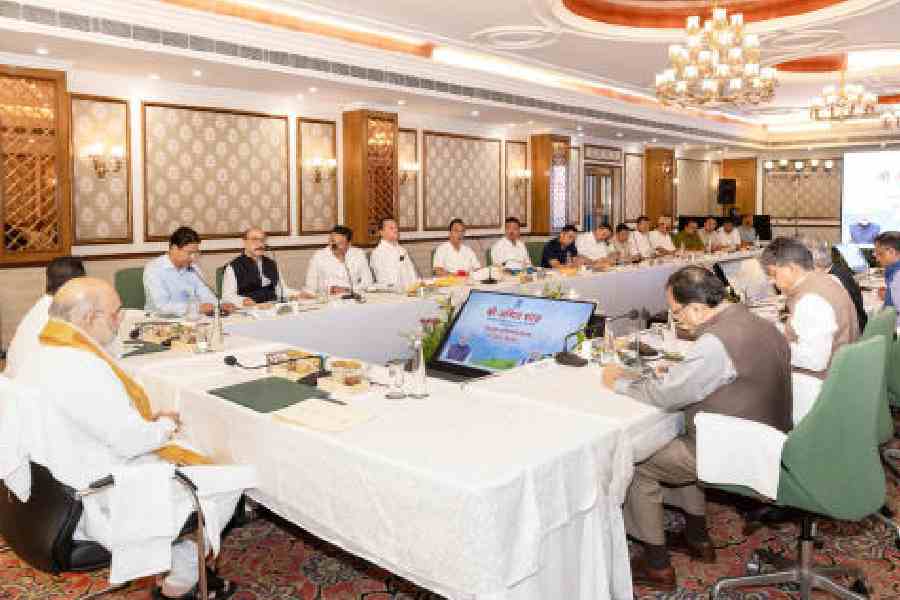
On 22 August 2026, Home Minister Amit Shah met Gorkha leaders and West Bengal representatives near Siliguri.
The central government then created a committee led by Pankaj Kumar Singh.
The committee will work out the details of a possible long-term political agreement.
The government says the agreement must follow India’s Constitution and will not divide West Bengal.
Earlier councils created in 1988 and 2011 did not settle the issue.
Different communities also have separate demands involving identity, tribal status, development and political representation.

Amit Shah met Gorkha leaders, West Bengal representatives and other stakeholders in Sukna near Siliguri on 22 August 2026.
The Ministry of Home Affairs formed a high-level committee led by Pankaj Kumar Singh to draft a framework for a permanent political solution.
The proposed solution will address Gorkha identity, political representation, constitutional recognition and hill-area development within India’s Constitution.
The initiative does not announce a separate Gorkhaland state and is described as proceeding without dividing West Bengal.
Earlier arrangements, including the 1988 Darjeeling Gorkha Hill Council and 2011 Gorkhaland Territorial Administration, did not end demands for greater autonomy or statehood.
- Who
- Union Home Minister Amit Shah, West Bengal Chief Minister Suvendu Adhikari, Gorkha leaders and other regional representatives.
- What
- The Centre announced a committee to prepare the framework and details of a permanent political solution for West Bengal’s hill areas.
- Where
- At a hotel in Sukna, near Siliguri, in West Bengal.
- When
- The meeting and committee announcement took place on 22 August 2026; the report was published on 23 August 2026.
- Why
- To address long-standing demands concerning Gorkha identity, political autonomy, constitutional recognition, development and related community concerns.
Constitutional Autonomy Within West Bengal
Separate Gorkhaland Statehood
Preferred political outcome
Constitutional Autonomy Within West Bengal
Roshan Giri said Gorkha leadership was prepared to seek a solution through constitutional means. The Centre’s current process is framed as a permanent solution within India’s Constitution and without dividing West Bengal.
Separate Gorkhaland Statehood
Supporters of Gorkhaland argue that a separate state is needed to protect Gorkha identity, political representation and constitutional recognition.
Assessment of earlier bodies
Constitutional Autonomy Within West Bengal
The Darjeeling Gorkha Hill Council and the Gorkhaland Territorial Administration show that greater administrative powers can be provided without creating a separate state.
Separate Gorkhaland Statehood
Critics and statehood advocates say the earlier bodies were insufficient, financially dependent or ineffective and did not resolve political and developmental grievances.
Community representation
Constitutional Autonomy Within West Bengal
A broader Gorkha identity has historically brought Nepali, Lepcha and Bhutia communities together around shared hill interests and language.
Separate Gorkhaland Statehood
Groups including Rai, Gurung, Bhujel, Thami, Sunuwar, Jogi, Khas, Magar and Newar communities have sought recognition of their distinct identities, including demands for Scheduled Tribe status or development boards.
Key facts
- Committee chair
- Pankaj Kumar Singh, a former Deputy National Security Adviser and the Centre’s interlocutor for the Darjeeling hills, Dooars and Terai.
- Constitutional condition
- The Centre said any eventual solution would remain within the Constitution of India.
- State structure
- The initiative is described as proceeding without dividing West Bengal.
- Development support
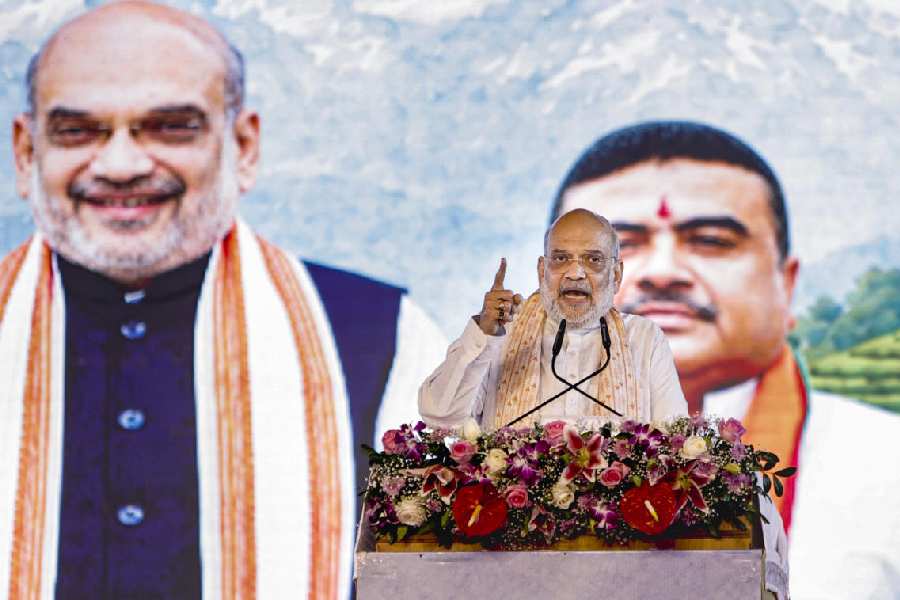
- Amit Shah said the Centre would look sympathetically at community demands and provide adequate funding for pending regional issues and development.
- 1988 arrangement
- The Gorkha Accord created the Darjeeling Gorkha Hill Council after the 1980s agitation.
- 2011 arrangement
- A tripartite agreement signed on 18 July 2011 created the Gorkhaland Territorial Administration.
- Additional demands
- The discussions included constitutional protections, socio-economic restoration and Scheduled Tribe recognition for 11 left-out Gorkha communities.
Quotes

Ministry of Home Affairs
India’s central government ministry responsible for the committee and political dialogue
“Union Home Minister Amit Shah has clearly said that whatever solution is reached to address the issue will have to be under the constitutional framework. I am in favour of a constitutional solution and have put forward my suggestions in accordance with that.”
 opindia.com
“All issues relating to the hill population of West Bengal were discussed in detail. Their demands about a distinct identity, a permanent political solution and recognition under the Constitution of India were taken up.”
opindia.com
Sources
Related news
Amit Shah Backs Permanent Political Settlement for Darjeeling Hills
Centre Forms Panel for Permanent Constitutional Gorkha Solution

Amit Shah Meets Gorkha Leaders, Forms Panel for Solution
Shah Forms Panel for Darjeeling’s Permanent Political Solution

Amit Shah Chairs Talks on Permanent Bengal Hills Solution

Gurung Insists Terai, Dooars Stay in Gorkha Settlement
