5 days ago
Amarnath Yatra Ends With Chhari-Mubarak Prayers Amid Weather Disruptions
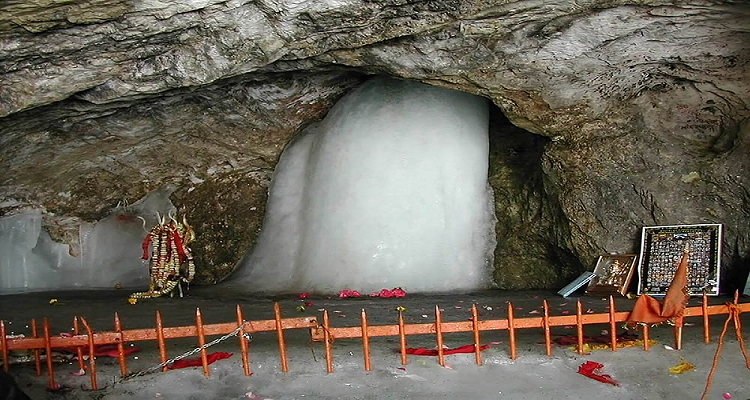
The Amarnath pilgrimage ended when a special holy mace called Chhari-Mubarak reached the cave shrine.
Mahant Dipendra Giri led sadhus and devotees carrying it.
They prayed and performed traditional ceremonies inside the cave.
The pilgrimage began on July 3 but regular visits stopped on August 9 because rain and damaged paths made travel difficult.
Many people still visited before the suspension.
The ice shape inside the cave melted much faster than usual this year.
Some officials linked this to warmer weather and the large number of early visitors.
The holy mace will later be taken to Pahalgam for final ceremonies before returning to Srinagar.

The 57-day Amarnath Yatra formally concluded on Friday, coinciding with Raksha Bandhan, after Chhari-Mubarak reached the cave shrine for special prayers.
Mahant Dipendra Giri led sadhus and devotees carrying the holy mace after a trek from Panchtarni via Sheshnag; reports differ on the route’s total distance.
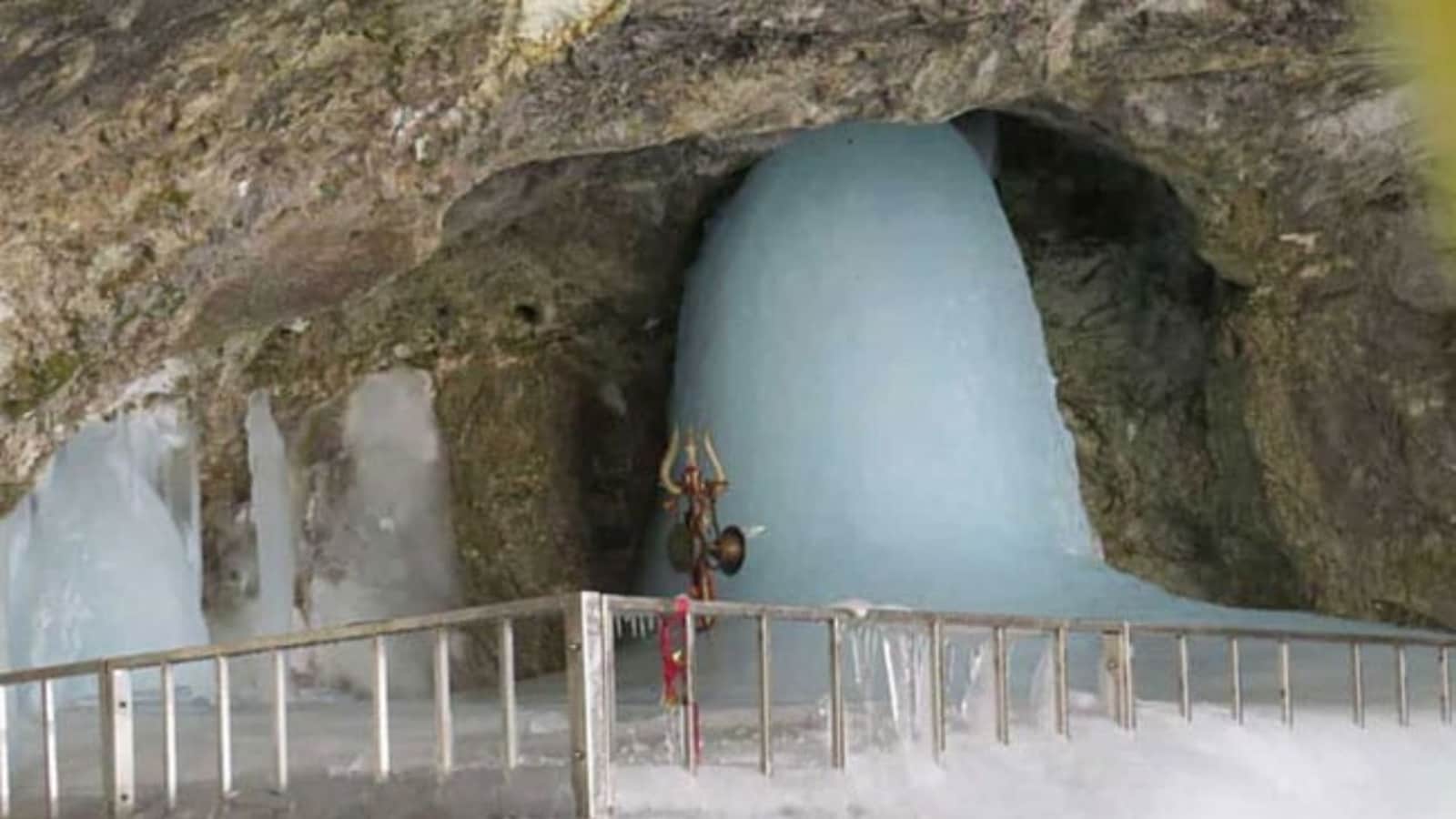
The general pilgrimage began on July 3 but was suspended on August 9 because of damaged tracks, persistent rainfall and adverse weather.
The cave shrine’s naturally formed ice-shivlingam reportedly melted rapidly, while devotees and Mahant Giri said the spiritual significance remained beyond the physical ice form.
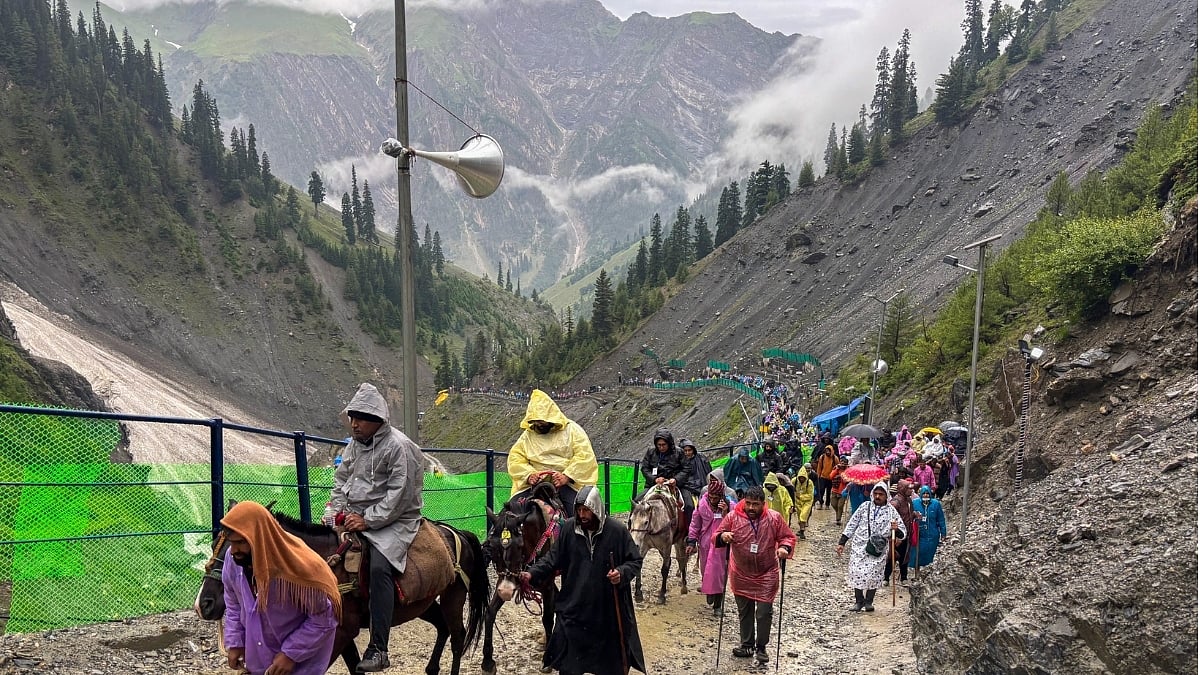
Attendance figures differed between reports: PTI cited more than 4.80 lakh pilgrims, while another report cited about 4.14 lakh and compared it with 5.12 lakh in 2024.
- Who
- Sadhus and devotees led by Chhari-Mubarak custodian Mahant Dipendra Giri, along with pilgrims who undertook the yatra.
- What
- The annual Amarnath Yatra concluded with Chhari-Mubarak prayers and traditional rituals at the cave shrine.
- Where
- At the Amarnath cave shrine in the south Kashmir Himalayas, followed by ceremonies beside the Lidder River in Pahalgam.
- When
- The conclusion took place on Friday, coinciding with Raksha Bandhan; final pujan and visarjan ceremonies were scheduled for August 30.
- Why
- To complete the traditional concluding prayers and ceremonies associated with the holy mace and the annual pilgrimage.
Environmental and logistical factors
Devotional interpretation
Meaning of the ice-shivlingam’s rapid melting
Environmental and logistical factors
The report linked the unusually rapid melting to warmer temperatures and the large number of early-season pilgrims, while weather and damaged tracks also disrupted travel.
Devotional interpretation
Mahant Dipendra Giri said the divine presence remained even after the ice form diminished, describing the change as a natural occurrence beyond human control.
Key facts
- Yatra duration
- 57 days
- Yatra start
- July 3
- Suspension
- Regular pilgrimage was suspended on August 9 because of track damage and adverse weather.
- Shrine elevation
- Reports gave the cave’s elevation as 3,880 metres and 3,888 metres.
- Reported attendance
- PTI reported more than 4.80 lakh pilgrims; another report cited about 4.8 lakh by August 8 and later gave a 4.14-lakh figure.
- Holy mace
- Chhari-Mubarak is scheduled to undergo pujan and visarjan beside the Lidder River in Pahalgam before returning to Dashnami Akhara in Srinagar.
- Travel routes
- The traditional Pahalgam route includes halts at Chandanwari, Sheshnag and Panchtarni; the Baltal route was also used.
Quotes
Mahant Deependra Giri
Custodian of the Chhari Mubarak and leader of the concluding Amarnath rituals
“the divine form of God was still present there. These are natural occurrences that remain entirely beyond human control.”
 deccanchronicle.com
Sources
Related news
Chhari Mubarak Begins Final Amarnath Pilgrimage Rituals Amid Disruptions
Amarnath Yatra Concludes After 4.8 Lakh Devotees Visit
Amarnath Yatra Suspended From August 9 Amid Rain, Track Damage
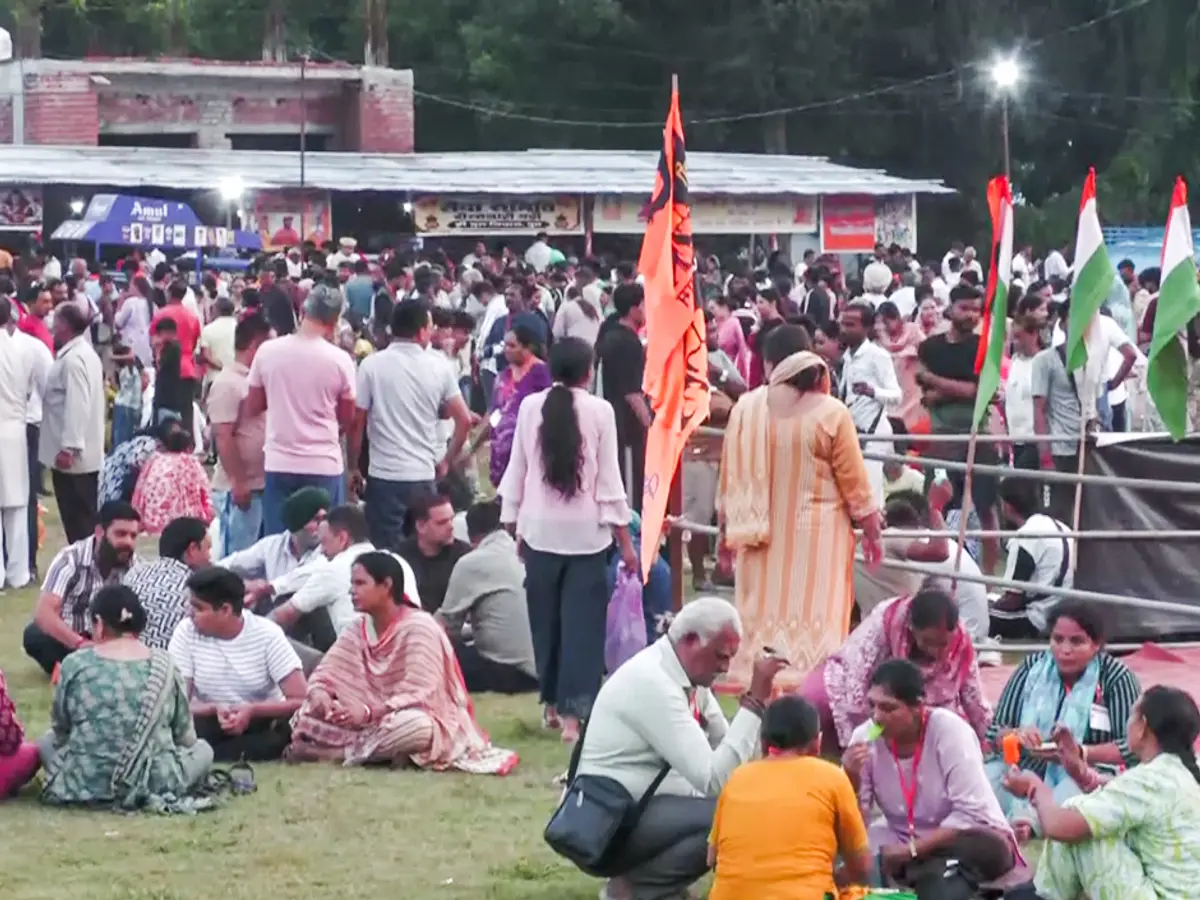
Amarnath Yatra Ends After 57 Days Amid Tight Security

Chhari Pujan performed in Srinagar; mace to begin Amarnath trek

Amarnath Yatra resumes after suspension; darshan count exceeds 4.70 lakh

Rival NC-BJP Protests Roil J&K as Police Halt Marches
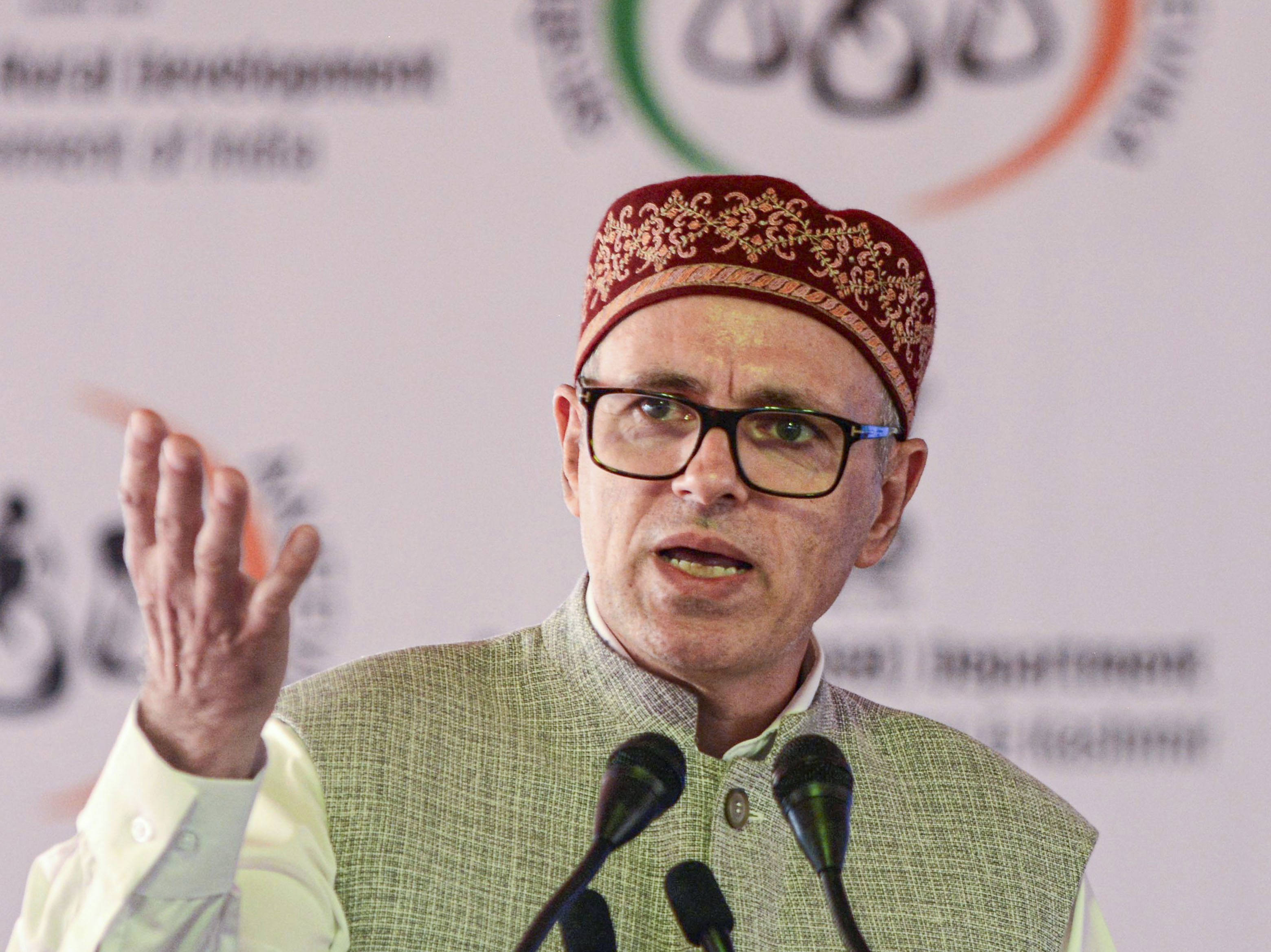
Omar Abdullah Alleges Unequal Treatment of Srinagar Political Protests
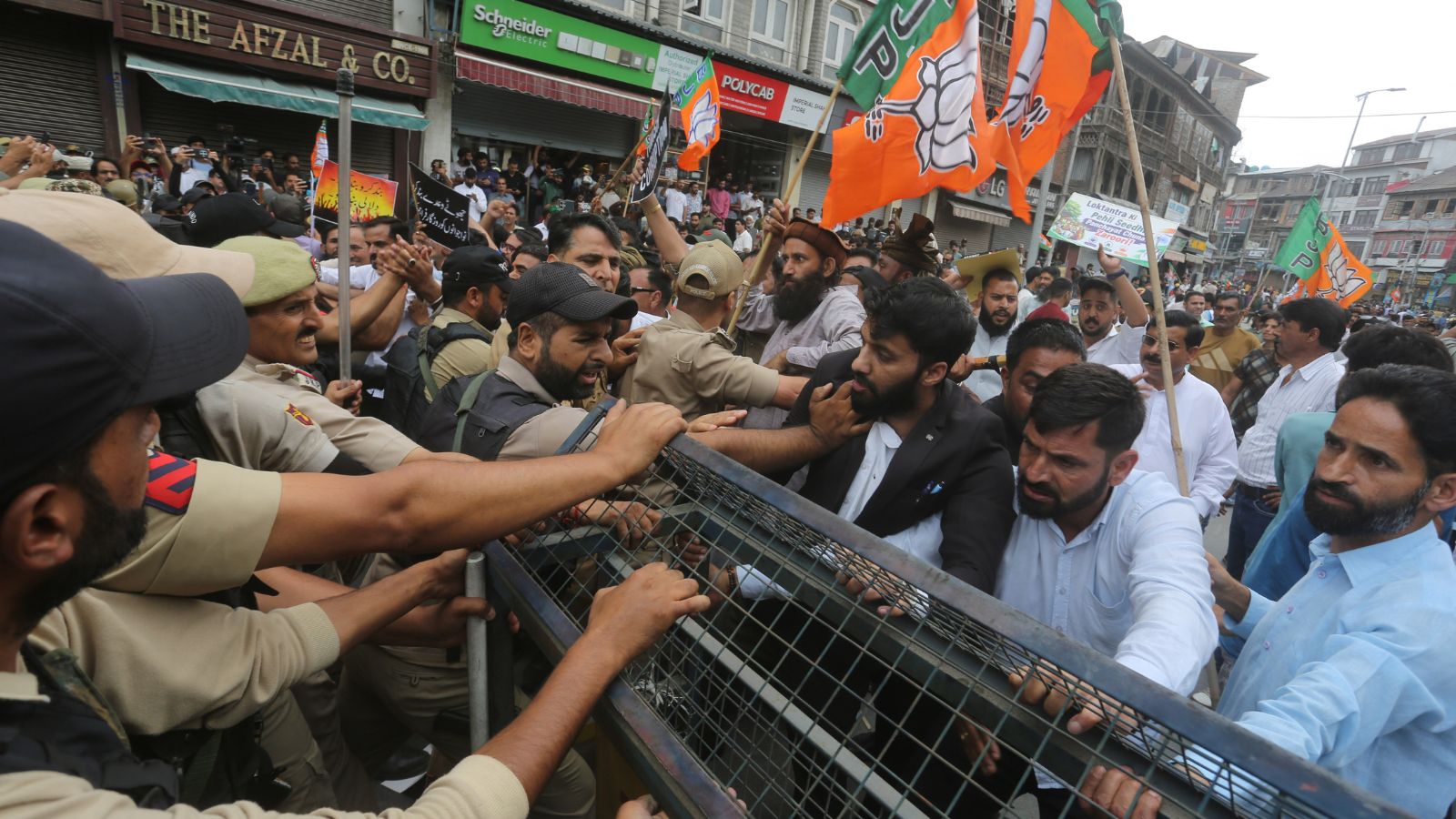
BJP, National Conference Hold Rival Protests Across Srinagar Streets
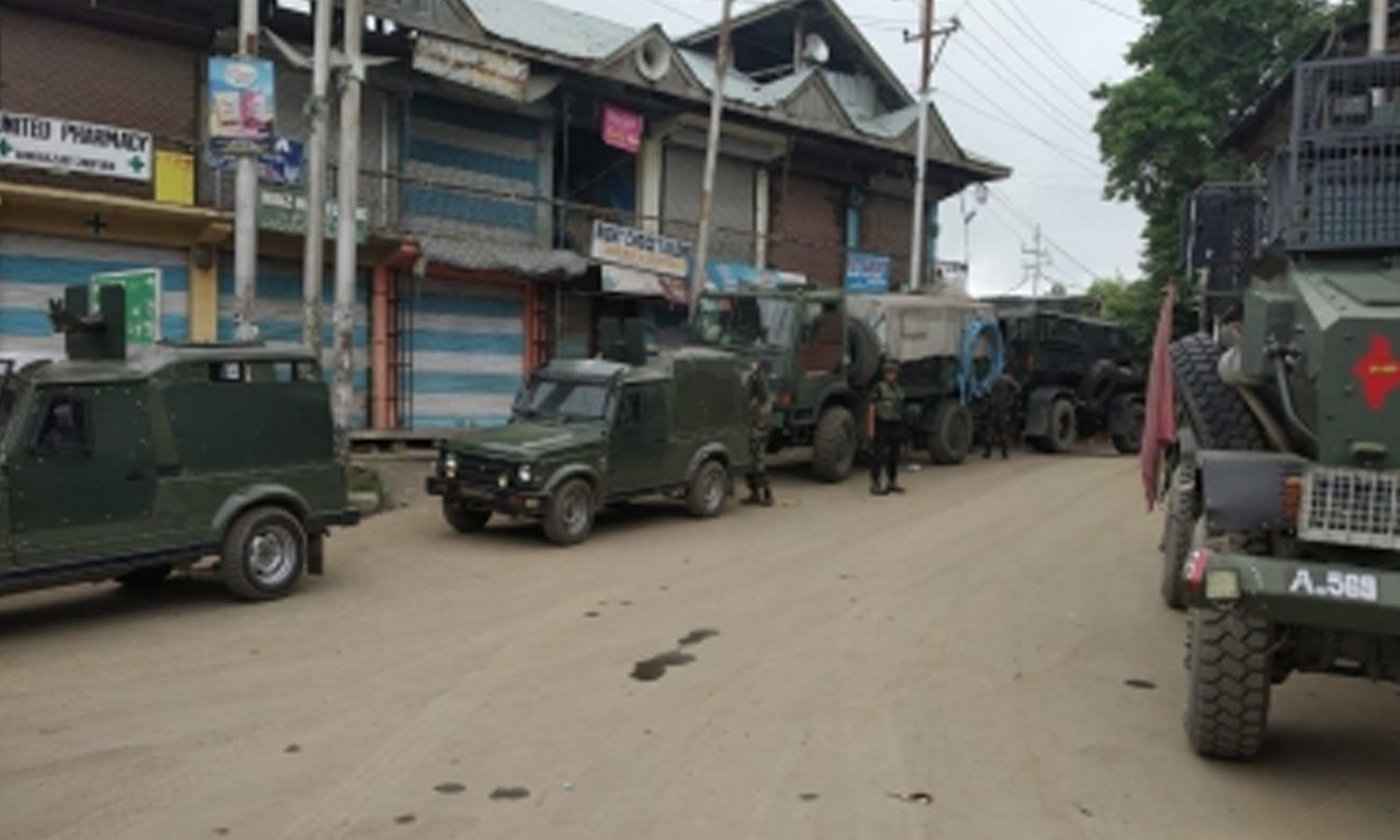
ISI Reduces Local Recruitment in J&K
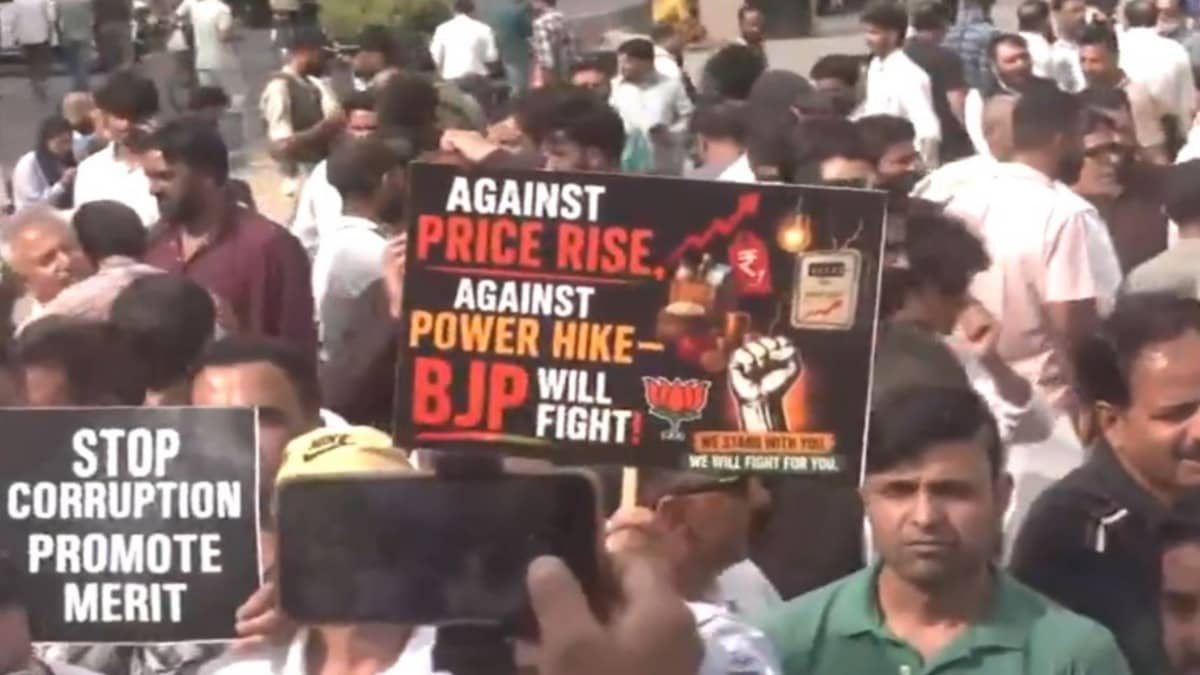
BJP Protests NC Govt Over Unemployment, Price Hike in J&K