2 hrs ago
Renewed Tigray Fighting Raises Fears of Wider Regional War
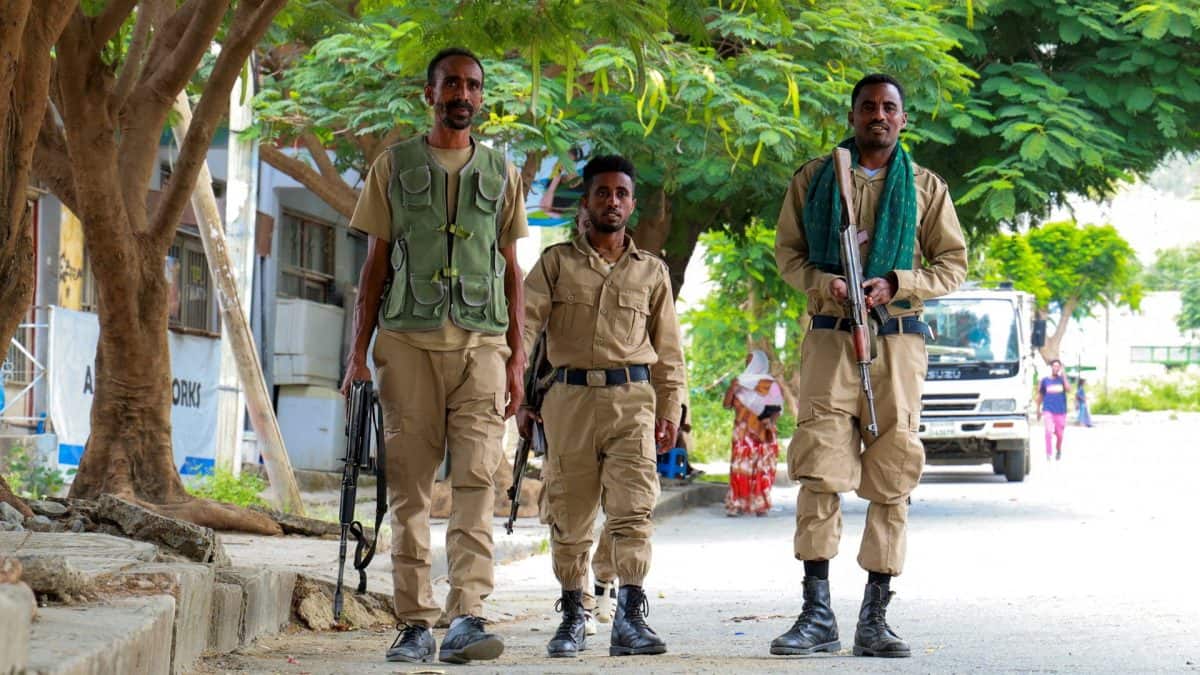
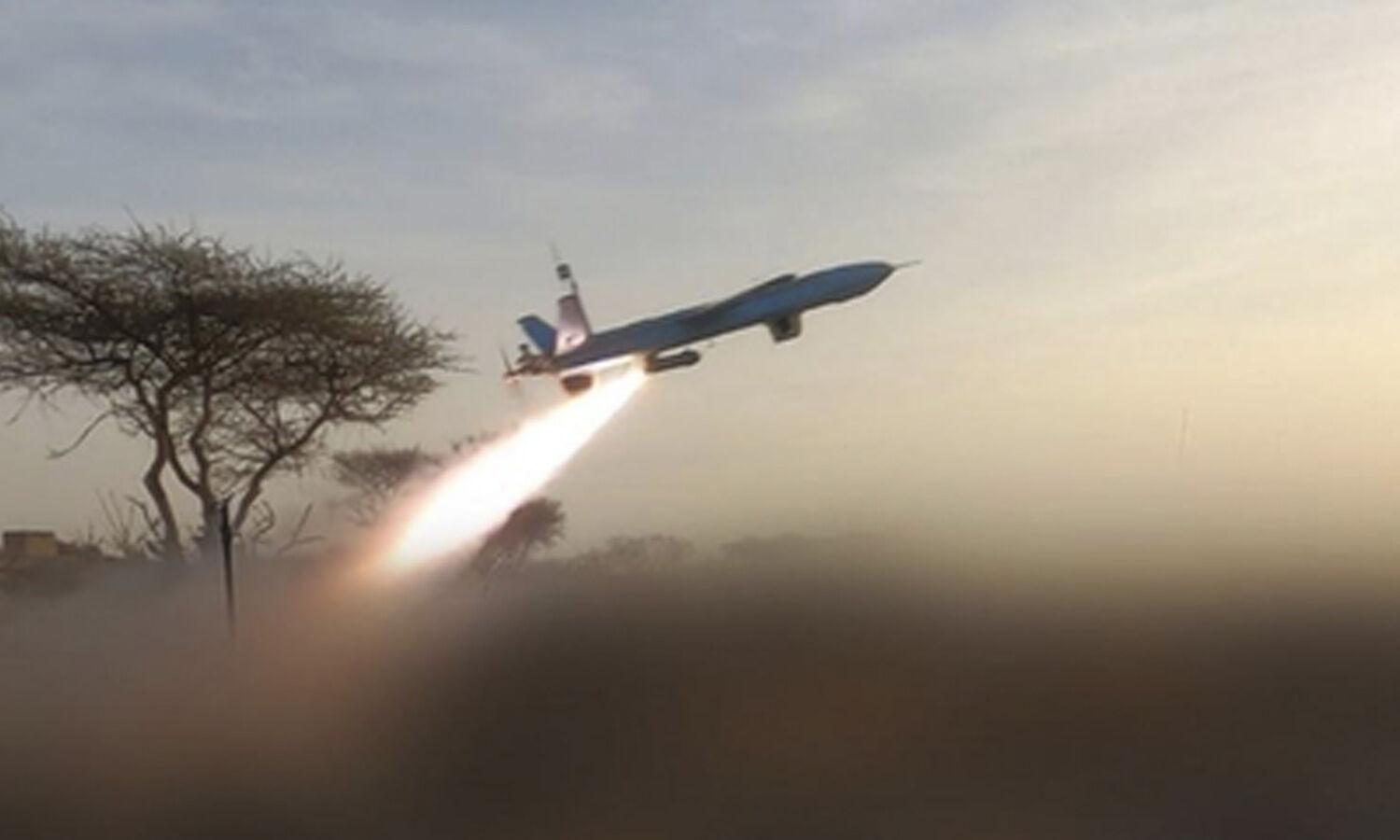
Fighting has started again in Ethiopia’s Tigray region after a peace deal had stopped the previous war.
Tigrayan forces took control of three airports and fought Ethiopian government troops.
Fighting was also reported in the nearby regions of Afar and Amhara.
Government officials say the Tigrayan forces began a major attack.
Tigray’s leaders say they were defending themselves against attacks by federal forces.
People are worried because the earlier war caused enormous suffering, hunger and deaths.
Other armed groups and neighboring countries could become involved.
Ethiopia also has disagreements with Eritrea, Sudan and Egypt.
International organizations are asking everyone to stop fighting and return to negotiations.

Tigrayan forces seized three airports on September 23 and clashed with Ethiopian federal troops in Tigray, Afar and Amhara.
The federal government called the operation a major TPLF offensive, while Tigray’s leaders said they were responding defensively to federal attacks.
The fighting threatens the African Union-brokered Pretoria Agreement that ended the 2020–2022 Tigray war.
Tensions could widen through the involvement of Fano, Eritrea and other armed groups, amid existing conflicts and disputes across the Horn of Africa.
The United Nations, African Union and European Union have urged restraint, de-escalation and a return to dialogue.
- Who
- Tigrayan forces, Ethiopia’s federal military, Fano and other armed groups are involved or potentially involved; Eritrea has been accused of supporting an alliance, which it denies.
- What
- Renewed fighting has erupted in and around Tigray, threatening the Pretoria peace agreement and raising fears of a broader regional conflict.
- Where
- Fighting has been reported in Tigray and the neighboring regions of Afar and Amhara, including near Lalibela.
- When
- The latest escalation began on September 23, after months of tension following the 2020–2022 war.
- Why
- The immediate trigger is disputed, while unresolved political, territorial and security issues, armed-group alliances, Ethiopia-Eritrea tensions and wider regional disputes are increasing the risks.
Tigrayan account
Federal government account
Cause of the fighting
Tigrayan account
Tigray’s leaders say federal forces intensified an invasion using drones, artillery and aircraft, prompting Tigrayan forces to fight defensively.
Federal government account
Ethiopian officials say the TPLF launched an unprovoked major offensive against government positions in Tigray, Afar and Amhara.
Military situation
Tigrayan account
Tigrayan forces say their actions were a response to federal aggression and have rejected the characterization of their operation as an offensive.
Federal government account
The Ethiopian military says it repelled the attacks and pushed back TPLF forces, though the claims and casualty figures could not be independently verified.
Key facts
- Peace agreement
- The African Union-brokered Pretoria Agreement was signed in November 2022 to end the Tigray war.
- Initial escalation
- Tigrayan forces reportedly seized three airports and clashed with federal troops on September 23.
- Reported casualties
- Ethiopia’s military said 272 attackers were killed and 260 wounded; the figures could not be independently verified.
- Air travel
- Ethiopian Airlines suspended flights to Tigray, while flights to Lalibela were also suspended.
- Humanitarian concern
- Around 750,000 Tigrayans remained internally displaced as of February, according to the UN refugee agency.
- International response
- The United Nations, African Union and European Union called for restraint, de-escalation and dialogue.
Quotes

Taye Atske-Selassie
President of Ethiopia
“Our message to forces of destruction and mayhem is loud and clear. We urge them to respect the sacred right of the people of the Horn of Africa to live in peace and prosperity.”
 firstpost.com
“The TPLF politico-military leadership has obviously taken irresponsibility to new heights.”
firstpost.com

European Union
The European Union, in a statement calling for de-escalation
“Differences can only be resolved through dialogue and not military action.”
firstpost.com
Sources
Related news

Tigray Residents Stock Up as Fears of War Return
Ethiopia Fighting Expands, Suspending Flights to Historic Lalibela
Tigray Leaders Declare New War as Fighting Erupts in Ethiopia
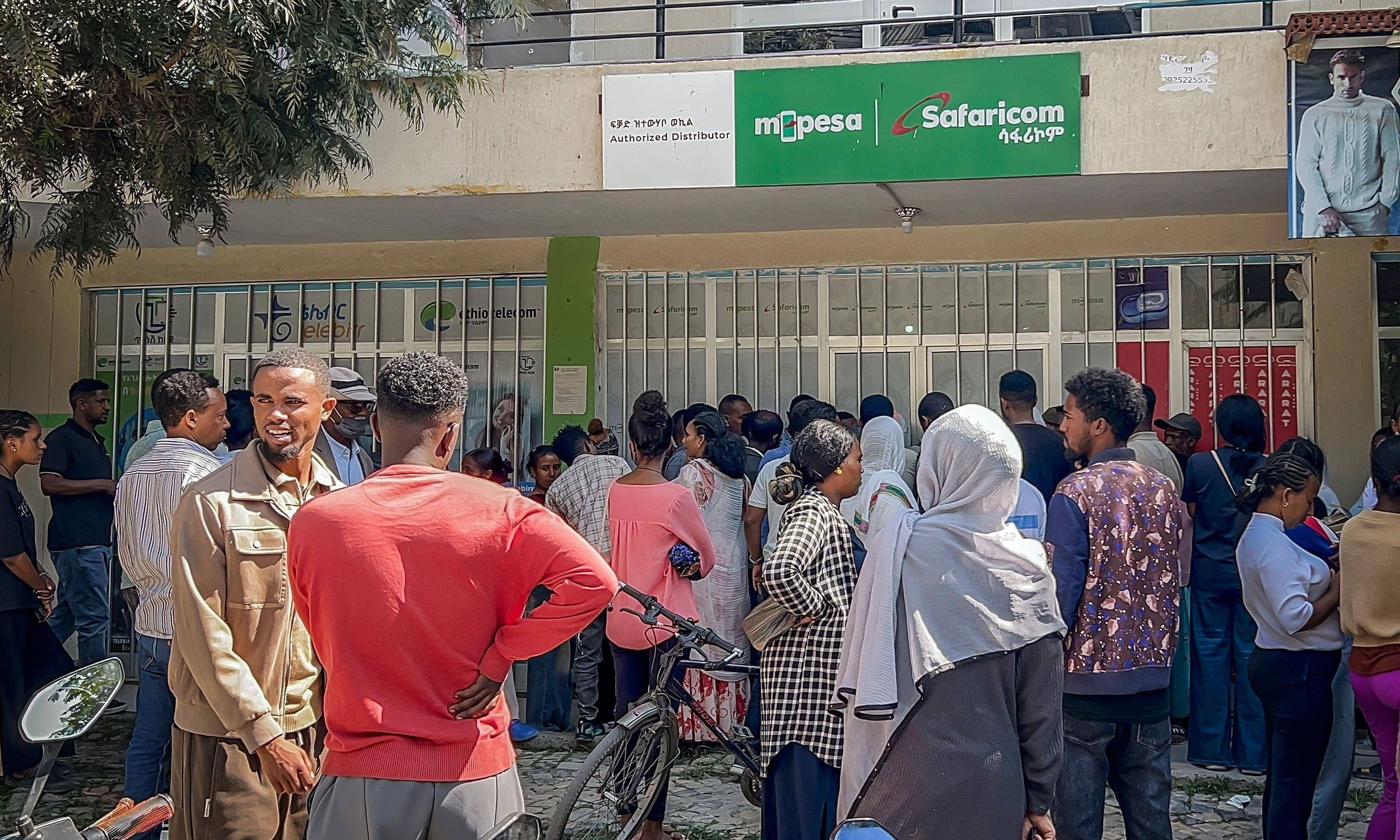
Fighting Escalates in Ethiopia as Tigray Faces Communications Blackout

Yemen’s Fragile Four-Year Lull Shows Signs of Breaking Down