2 hrs ago
Debate Over Ballot Papers, EVMs and Election Trust Continues
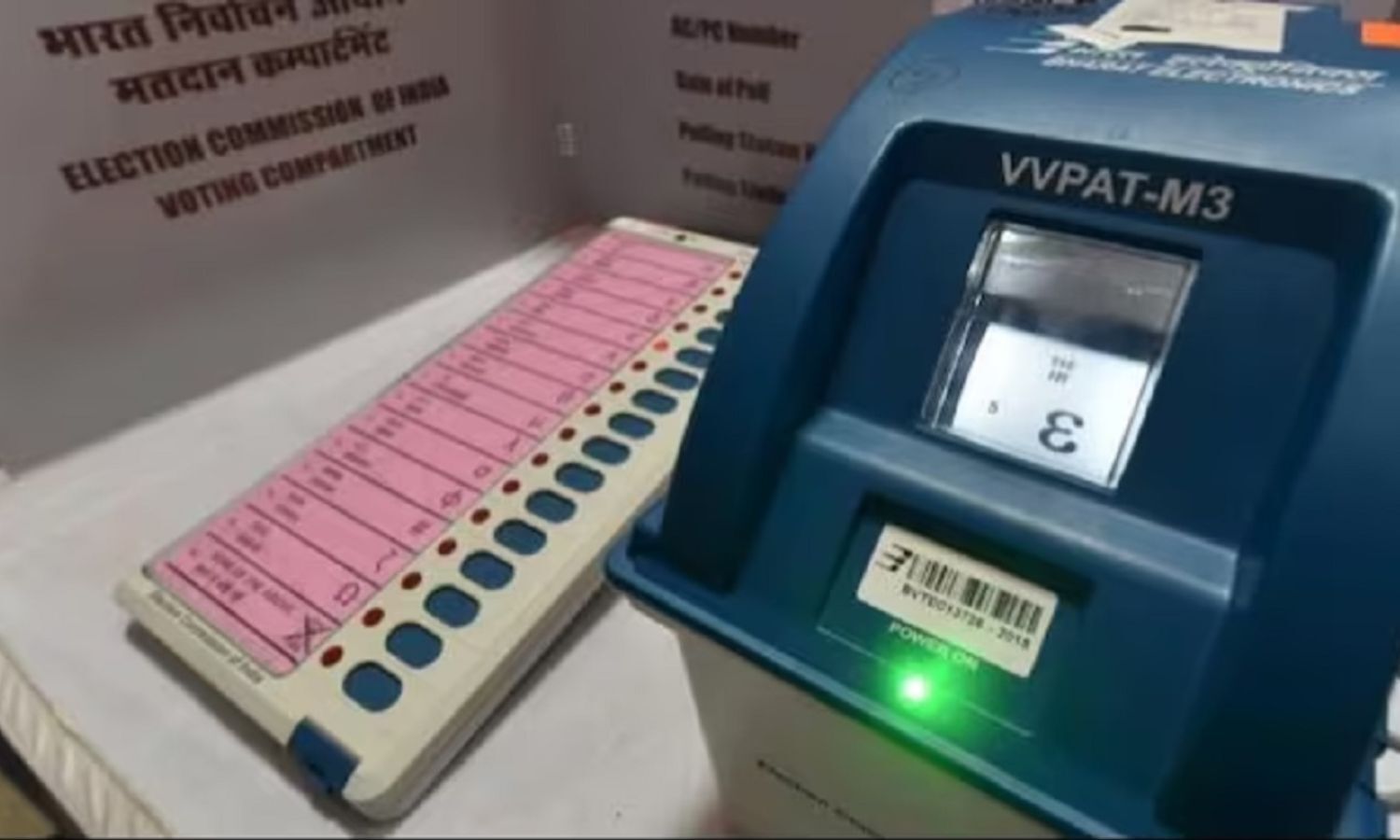
Some opposition parties in India want elections to use paper ballots again instead of electronic voting machines.
They say paper ballots could make voting easier to check and increase public trust.
Electronic voting machines were proposed in 1977 to reduce problems such as booth capturing, ballot-box stuffing and slow counting.
A trial in Kerala in 1982 was stopped because there was no law allowing the machines.
Parliament later changed the law in 1988, and EVM use gradually spread across India.
VVPAT machines were added so voters could see a paper record of their selected candidate.
The Election Commission says EVMs and VVPAT together provide enough checking.
The opposition also has concerns about voter-registration procedures called SIR and Form 6, which the article says should receive clear answers.

Opposition parties and the INDIA bloc are demanding a return to ballot papers, arguing that paper voting would improve verification and trust.
Electronic voting machines were proposed in 1977 and first tested in Kerala in 1982, but the Supreme Court rejected their use because it lacked legal authorization.
Parliament amended the Representation of the People Act in 1988, enabling EVM use under Section 61A from March 15, 1989.
EVM use expanded from 16 Assembly constituencies in 1998 to all 543 Lok Sabha constituencies in 2004.
The Election Commission says EVMs combined with VVPAT provide an adequate audit trail, while the opposition also seeks answers about SIR and Form 6 procedures.
- Who
- Opposition parties, the INDIA bloc, the Election Commission of India, and the governments and officials involved in introducing EVMs.
- What
- A political debate over whether India should replace EVMs with ballot papers and how voting can best provide trust, transparency and accountability.
- Where
- India, including early trials in Kerala and later use in Madhya Pradesh, Rajasthan, Delhi, Tamil Nadu, West Bengal and Puducherry.
- When
- The EVM proposal dates to 1977; trials began in 1982, Parliament authorized their use in 1988, and all 543 Lok Sabha seats used EVMs in 2004.
- Why
- Opposition parties seek greater verification of votes, while EVM proponents cite reduced booth capturing, ballot stuffing and counting delays.
Ballot-Paper Advocates
EVM-VVPAT Supporters
Verification and trust
Ballot-Paper Advocates
Opposition parties and the INDIA bloc argue that returning to paper ballots could provide a more direct and ultimate form of vote verification.
EVM-VVPAT Supporters
The Election Commission's position, as presented in the article, is that EVMs with VVPAT already provide a sufficient audit system.
Voting technology
Ballot-Paper Advocates
Opposition parties are insisting that EVMs be scrapped and that elections return to ballot papers.
EVM-VVPAT Supporters
The article argues that parties seeking changes should use research, expert opinions and parliamentary debate rather than return to an older system.
Electoral procedures
Ballot-Paper Advocates
The opposition is described as justified in raising concerns about SIR and the use of Form 6, including possible procedural lapses.
EVM-VVPAT Supporters
The Election Commission is urged to address those concerns through a meeting with opposition parties or a joint press conference by all three Commissioners.
Key facts
- Initial proposal
- Then Chief Election Commissioner Sham Lal Shakdher proposed EVMs to the government in 1977.
- First trial
- EVMs were first used on a trial basis in a 1982 general election in Kerala.
- Legal authorization
- Parliament added Section 61A to the Representation of the People Act, 1951, in December 1988; the amendment took effect on March 15, 1989.
- 1998 expansion
- EVMs were used in 16 Assembly constituencies in Madhya Pradesh, Rajasthan and Delhi.
- 1999 expansion
- Their use expanded to 46 Parliamentary constituencies.
- Nationwide use
- All 543 Lok Sabha constituencies used EVMs in 2004.
- Audit mechanism
- VVPAT provides a paper trail allowing voters to verify the candidate for whom their vote was recorded.
Sources
Related news

Mayawati alleges EVM tampering aided Chandrashekhar Azad’s Nagina victory
BJP Defends Election Commission, Blames Congress for Electoral Losses
Election Roll Dispute Puts Trust in India’s Machinery Under Scrutiny
Election Commission Dissent Tests India’s Constitutional Principles Again

Election Panel Disputes Raise Questions About Public Confidence

Election Commission Faces Calls for Greater Transparency After Internal Disputes
RSS Steps Up Ayodhya Seer Outreach Amid Temple Donation Row

Supreme Court Seeks Bengal Response on Mahua Moitra Protection Plea
Allahabad High Court Judge Flags Delays, Questions Court Administration
Delhi High Court Grants Bail After Five Years’ Custody