2 hrs ago
Election Commission Dissent Tests India’s Constitutional Principles Again
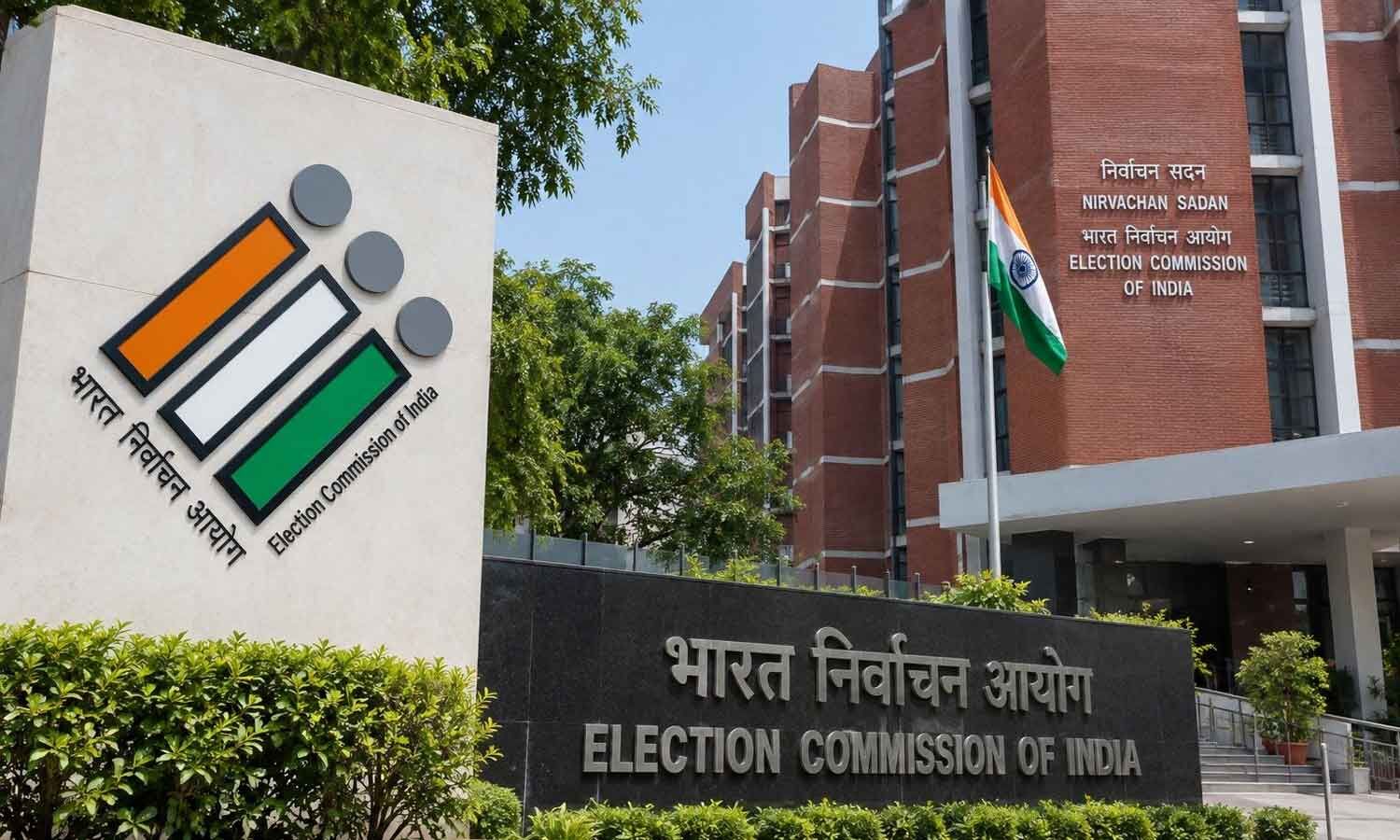
The Election Commission helps organize elections in India.
The article says political parties should want it to be trusted no matter who is in power.
In 2006, the BJP and its allies criticized an election commissioner and asked for action against him.
Today, the article says two election commissioners have reportedly raised concerns about some administrative and technology-related decisions.
These older and newer disputes are not exactly the same.
However, both raise questions about whether election work is being done fairly and openly.
The article says the government and the Commission should explain who approved disputed actions and under which law.
It also says political parties should use the same standards when they are in government and when they are in opposition.

The article compares the BJP’s 2006 criticism of Election Commissioner Navin Chawla with current concerns about Election Commission procedures.
In 2006, 205 National Democratic Alliance MPs sought Chawla’s removal, citing alleged political and financial associations.
The current controversy reportedly involves objections by two serving Election Commissioners over administrative and technological actions.
The article says the situations differ but both raise questions about public confidence in the Commission’s impartiality and independence.
It urges the Commission, government, Parliament, courts and political parties to disclose evidence, clarify legal authority and strengthen institutional accountability.
- Who
- The Election Commission of India, the Bharatiya Janata Party, the Indian National Congress, the Union government, opposition parties and serving Election Commissioners are central to the discussion.
- What
- The article examines dissent and transparency within the Election Commission and compares current concerns with the BJP-led opposition’s 2006 campaign against Navin Chawla.
- Where
- The disputes concern India’s Election Commission and its constitutional and administrative processes.
- When
- The comparison covers the 2006 controversy, the 2009 Chawla episode and a current controversy described in the article as occurring in 2026.
- Why
- The stated issue is whether electoral administration is transparent, legally authorized and capable of maintaining public confidence in the Commission’s independence.
Opposition and institutional scrutiny
Government and institutional consistency
How concerns should be pursued
Opposition and institutional scrutiny
The Indian National Congress and other opposition parties have criticized the Election Commission and the SIR exercise, but the article says they should go further by presenting evidence through formal constitutional and legal avenues.
Government and institutional consistency
The Bharatiya Janata Party, now in government, should not dismiss concerns merely because it is no longer in opposition; it should facilitate disclosure and scrutiny.
Transparency and technical oversight
Opposition and institutional scrutiny
Critics seek explanations about electoral databases, statutory forms, appeals and administrative decisions, along with possible independent technical auditing.
Government and institutional consistency
The government and Election Commission should publish relevant decisions and authorizations, identify the legal basis for interventions and ensure statutory officials retain their powers.
Standards for the Election Commission
Opposition and institutional scrutiny
Opposition parties argue that alleged internal objections and electoral-administration concerns require answers to preserve public confidence.
Government and institutional consistency
The article’s broader position is that the same standard must apply regardless of which party governs: the Commission should be independent before, during and after elections.
Key facts
- 2006 action
- A memorandum seeking Navin Chawla’s removal was signed by 205 National Democratic Alliance MPs.
- 2006 allegation
- The National Democratic Alliance cited alleged political and financial associations involving Chawla, Congress politicians and related trusts.
- Supreme Court involvement
- Jaswant Singh approached the Supreme Court over the handling of the MPs’ representation, leading the Court to issue notice to the Centre, the Election Commission and Chawla.
- 2009 development
- Chief Election Commissioner N. Gopalaswami recommended Chawla’s removal, but the United Progressive Alliance government did not accept the recommendation.
- Current concern
- Two serving Election Commissioners have reportedly recorded objections about particular administrative and technological actions within the Commission.
- Proposed scrutiny
- The article calls for disclosure, parliamentary scrutiny, court challenges where appropriate and independent technical audits.
- Core constitutional questions
- The article asks who authorized disputed actions, what statutory power supported them, whether the full Commission deliberated, what decision-making procedure was followed and whether implementation bypassed statutory authority.
Sources
Related news
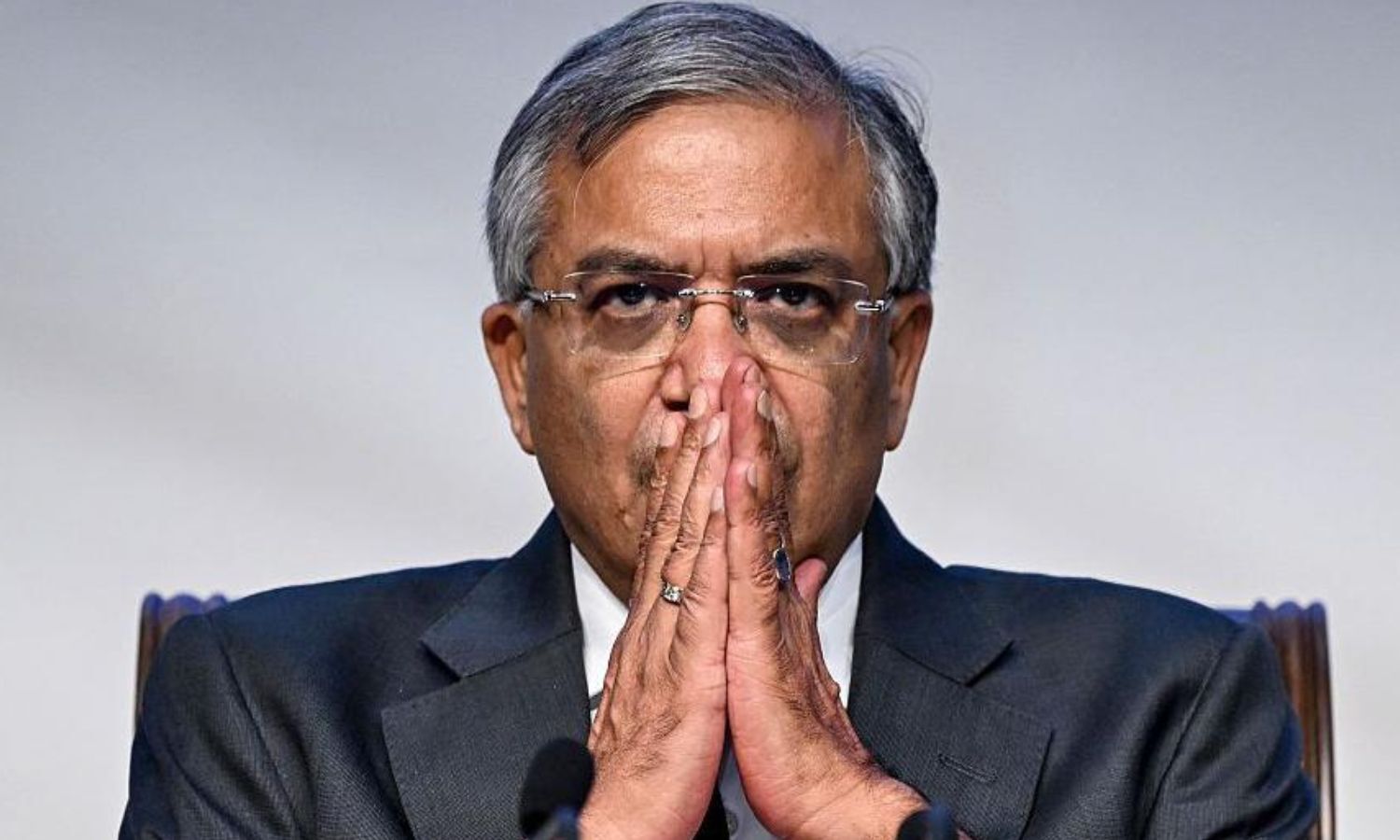
Election Commission Faces Credibility Test Over SIR Dispute

Opposition Protests Demand Gyanesh Kumar’s Removal
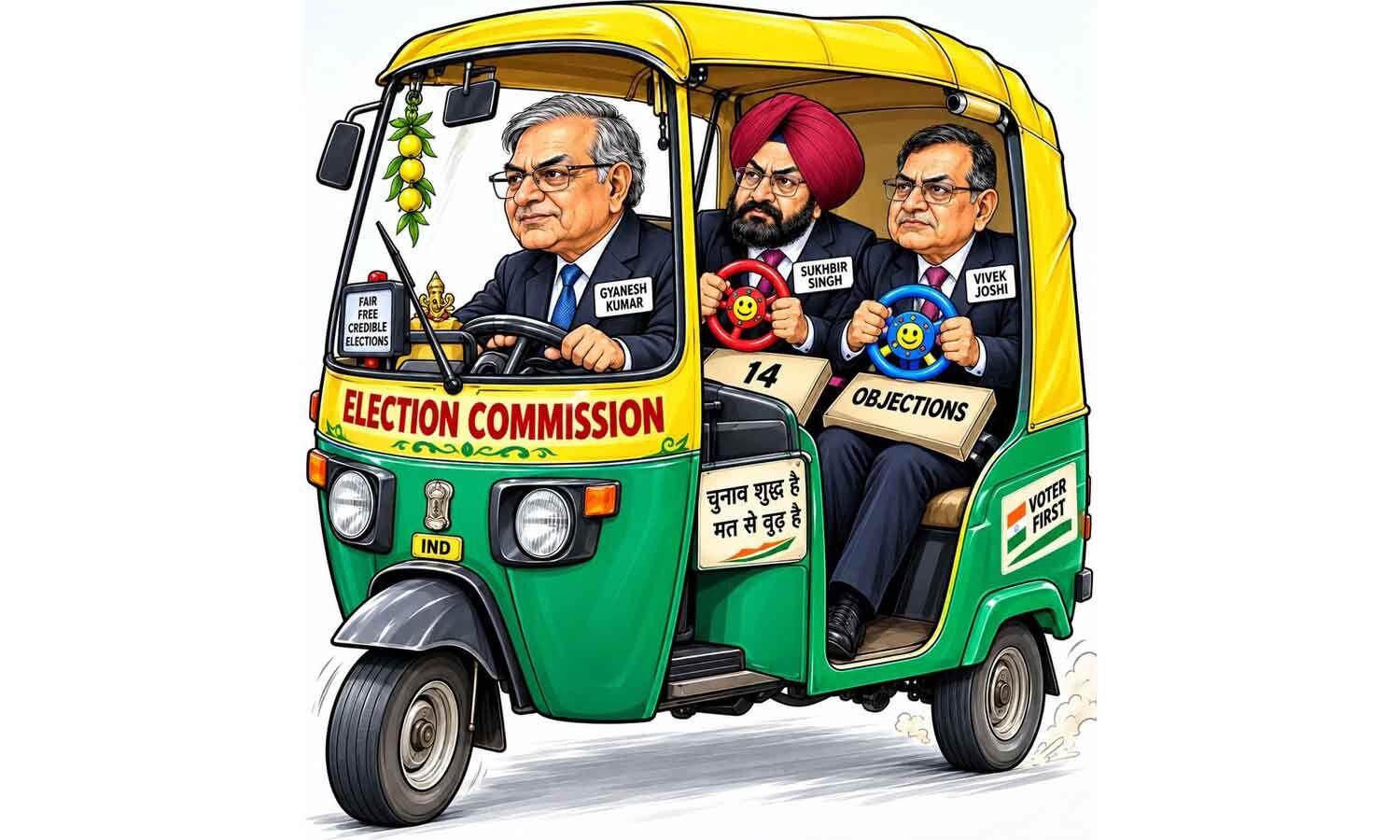
Opposition Demands CEC Gyanesh Kumar’s Removal Over SIR Dissent
BJP Defends Election Commission, Blames Congress for Electoral Losses
Opposition Plans Third Motion to Remove Election Chief
Paswan urges poll chief to clarify amid Election Commission rift
Danam Nagender Says SIR Will Not Affect Khairatabad Bypoll
Telangana BJP Criticizes Congress Protest Against Election Chief
BJP Leader Sriram Venkat’s Birthday Celebrated in Hyderabad
Sharad Pawar Rules Out NCP (SP) Joining NDA