1 hr ago
Why Tablets Are Sealed in Aluminium Foil Packaging
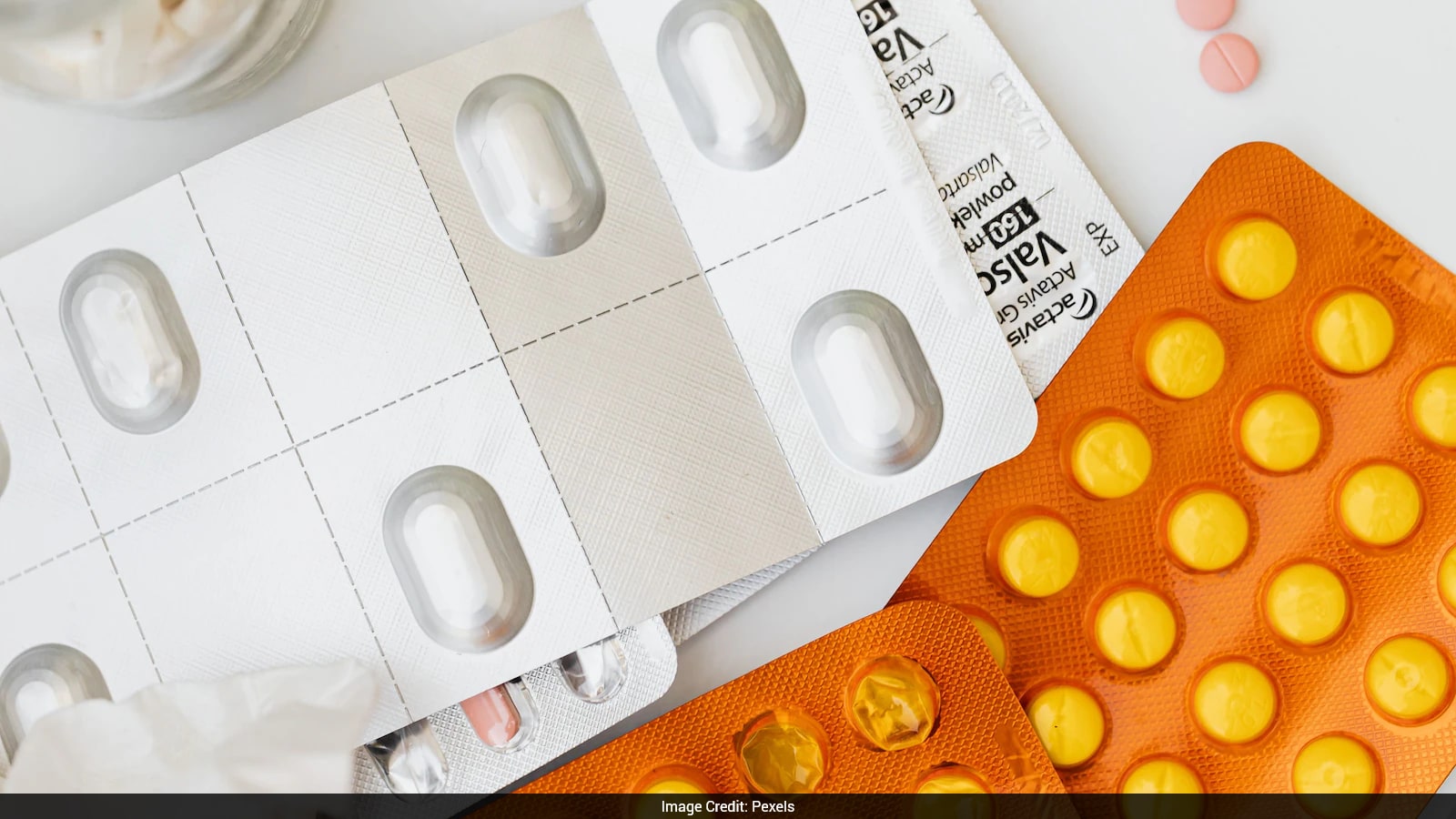
Medicine can be affected by things around it, such as water in the air, light and oxygen.
Some tablets are more sensitive to these things than others.
Aluminium foil helps keep them away from the tablet.
Because the foil blocks light, it can also protect medicines that are sensitive to light.
Some packs combine aluminium with plastic or other materials.
The right package depends on the medicine.
The package helps keep the medicine stable for its intended shelf life.
It does not make that shelf life longer by itself.

Aluminium foil helps protect medicines from moisture, light and oxygen.
These environmental factors can affect the quality, stability or effectiveness of some medicines.
Foil is opaque, so it can block light from reaching light-sensitive medicines.
Different medicines use different packaging because their stability needs vary.
Packaging helps preserve tested storage conditions but does not itself extend a medicine’s shelf life.
- Who
- People who make and package medicines use protective packaging suited to each medicine.
- What
- Aluminium foil packaging helps shield some medicines from moisture, light and oxygen.
- Where
- In medicine packaging, including aluminium-based blister packs.
- When
- Why
- To help maintain a medicine’s quality and stability during its intended shelf life.
Key facts
- Protected factors
- Moisture, light and oxygen
- Foil property
- Aluminium foil is opaque and can block light.
- Packaging variation
- Some blister packs combine aluminium on one side with plastic or other barrier materials.
- Medicine differences
- Formulations have different stability requirements and sensitivities.
- Shelf life
- Packaging helps maintain conditions under which a medicine was tested to remain stable; foil does not extend shelf life on its own.
- Guidance cited
- The article refers to World Health Organisation guidance on pharmaceutical packaging.
Sources
Related news
Why Medicines Are Packed in Shiny Aluminium Foil
Fake Medicines Raise Serious Risks Beyond Expiry Dates

Karnataka FDA Seizes ₹5 Crore Stock in Fake Drug Raid
India Sets 2027 Quality Rules for Smartphone Screen Protectors
Why Newspapers Should Never Wrap Food, Health Experts Explain
Karnataka Suspends Drug Licences After Bidadi Fake Medicine Raid

Plague Outbreaks Hit Siberian Hunter-Gatherers 5,500 Years Ago

Suspected Plague Death in Siberia Raises Disease Fears

Noida Schools Limit Classroom Screen Time Amid Child Health Concerns

WHO Data Shows India Outlives Pakistan, Trails Bangladesh