1 hr ago
Why Newspapers Should Never Wrap Food, Health Experts Explain
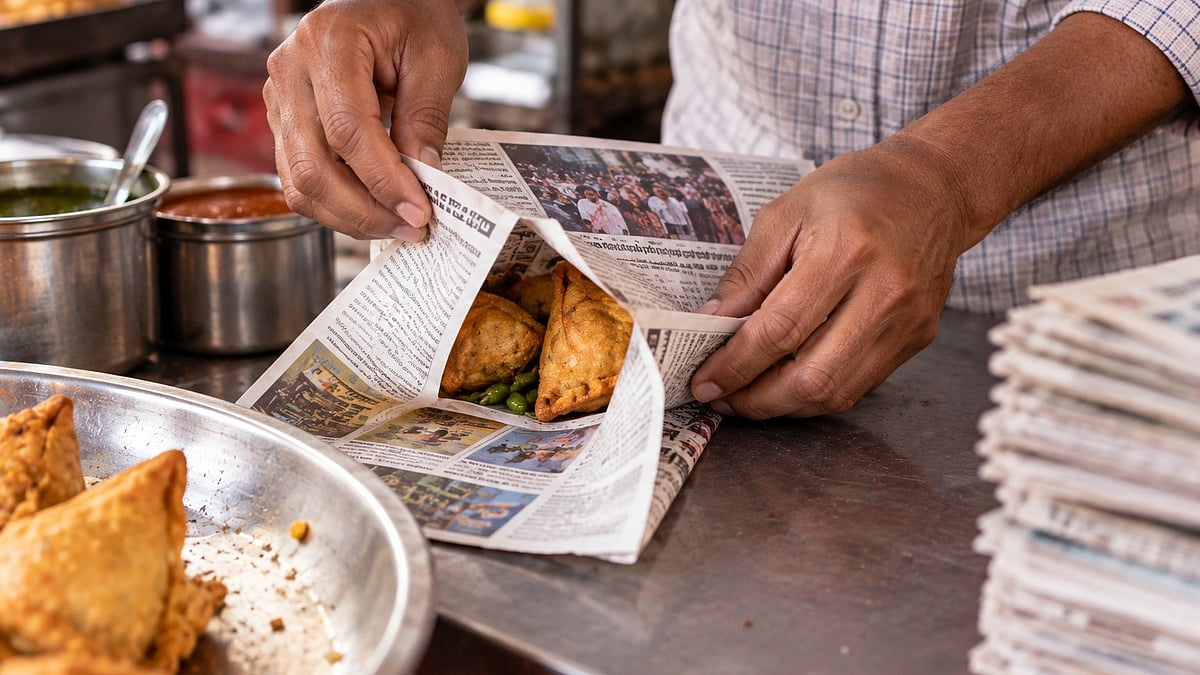
Newspapers are made for reading, not for touching food.
Their ink and paper may transfer unwanted substances to food.
This is more likely when the food is hot, oily, or wet.
Newspapers can also carry germs that may upset your stomach.
Eating food wrapped in newspaper once may not make you sick, but repeated exposure may be harmful.
Use containers or wrapping labeled as food-safe instead.
Let hot food cool unless its container is designed for hot food.
Keep perishable food cold, covered, and away from room-temperature storage for too long.

Newspapers are not approved for direct food contact, especially with hot, greasy, or moist foods.
Heat and oil can encourage chemicals from paper or printing inks to migrate into food.
Short-term exposure may introduce harmful microbes that cause nausea, vomiting, or stomach discomfort.
Repeated exposure to printing inks, dyes, and chemicals may potentially affect liver and kidney function.
Food-grade paper, parchment, steel, glass, suitable plastic, foil, and silicone are safer alternatives when used correctly.
- Who
- People who store or carry food, particularly in India.
- What
- Health experts warn against wrapping food directly in newspapers and recommend food-safe alternatives.
- Where
- The practice is discussed in the context of India.
- When
- The risk is greater with repeated exposure and when hot, greasy, or moist food is placed on newspaper.
- Why
- Newspaper inks, paper chemicals, and microbes may contaminate food and potentially create short- or long-term health risks.
Key facts
- Main concern
- Newspapers are not approved for direct contact with food.
- Higher-risk foods
- Hot, greasy, or moist foods can increase the movement of substances from paper or ink into food.
- Short-term effects
- Potential symptoms include nausea, vomiting, and stomach discomfort.
- Long-term concern
- Repeated exposure may potentially contribute to liver dysfunction or impaired kidney function.
- Safer materials
- Food-grade paper, parchment, stainless steel, glass, suitable plastic, aluminium foil, and silicone.
- Refrigeration guidance
- Refrigerated food should be maintained at 5°C or below.
- Storage advice
- Cool hot food when appropriate, refrigerate perishables promptly, and avoid prolonged room-temperature storage.
Quotes
Dr Manjusha Agarwal
Consultant in Internal Medicine at Gleneagles Hospital Mumbai
“One meal wrapped in newspaper will not make someone ill, but the concern is repeated exposure. The danger increases in cases where hot, greasy, or moist food is put straight on the printed paper since the heat and oil promote migration of substances from the paper or inks into the food.”
 freepressjournal.in
“Long-term exposure may potentially place stress on the liver and kidneys and, with repeated exposure, contribute to problems such as liver dysfunction or impaired kidney function.”
freepressjournal.in
Sources
Related news
Why Palm Oil Fills Packaged Foods—and How Safe Is It?
Study Finds Hot Takeaway Paper Cups Release Millions Of Microplastics

FSSAI Flags CG Foods Over Bhujia and Namkeen Safety

Crowd Collects Reportedly Expired Chocolates Dumped In Kanpur

Doctors Warn Consumers About Misleading Food Labels and Tampering
FSSAI Orders CG Foods to Halt Veg Bhujia Production

West Indies Announce India Tour Squads; Jason Holder Rested

India Extends Undefeated Chess Olympiad Run to Four Matches

India's Quimcy Dsouza, Anas Beg Finish Fourth in Teqball

Mandaviya Praises Indian Diaspora Supporting Athletes At Nagoya Asian Games

How to Stay Energised Through India’s Festive Celebrations