3 hrs ago
Noida Schools Limit Classroom Screen Time Amid Child Health Concerns
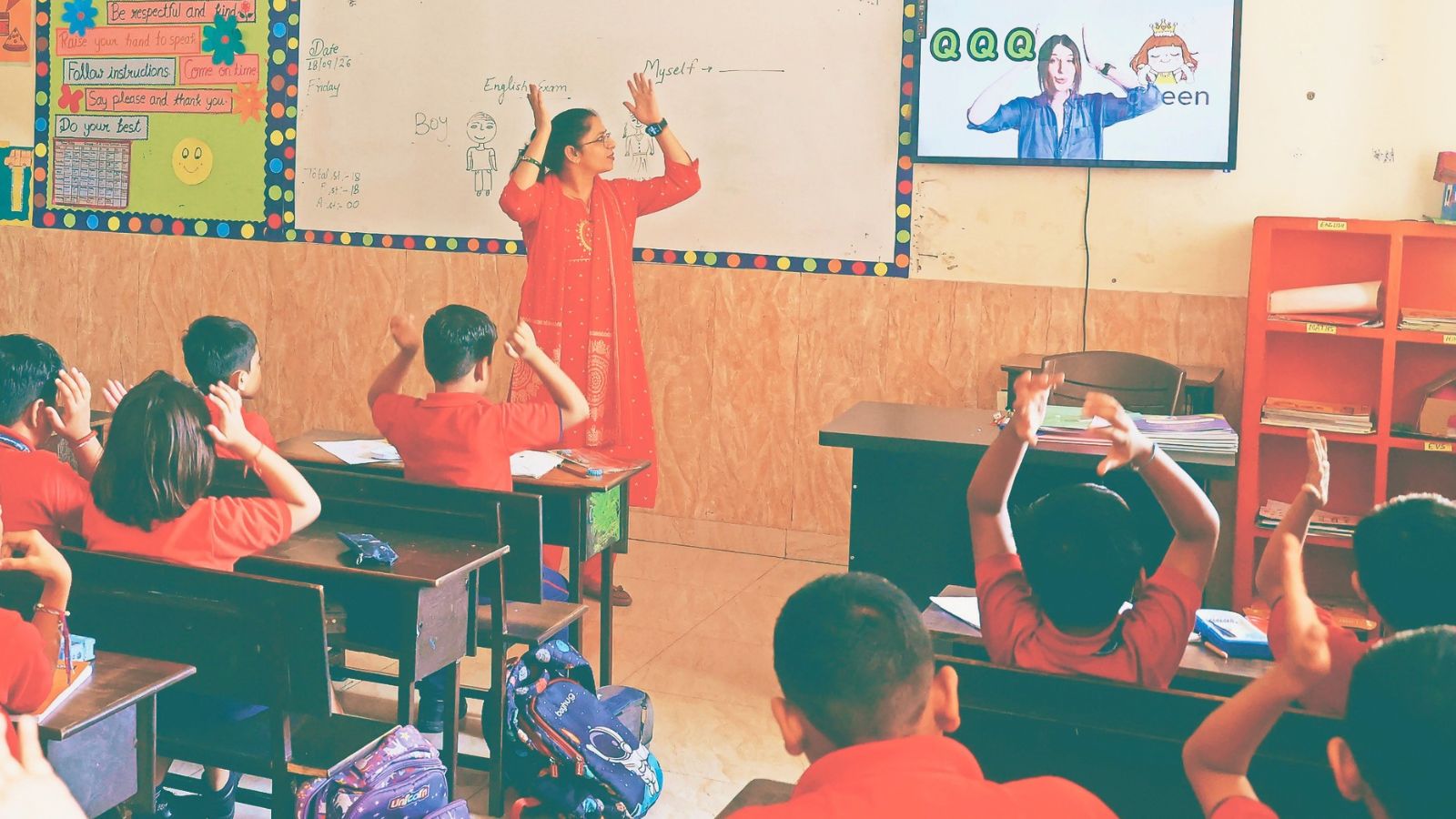
Schools in Noida and Greater Noida have been told to use screens less during lessons.
Younger primary-school children can have up to 30 minutes of screen time at school each day, and older primary pupils up to 60 minutes.
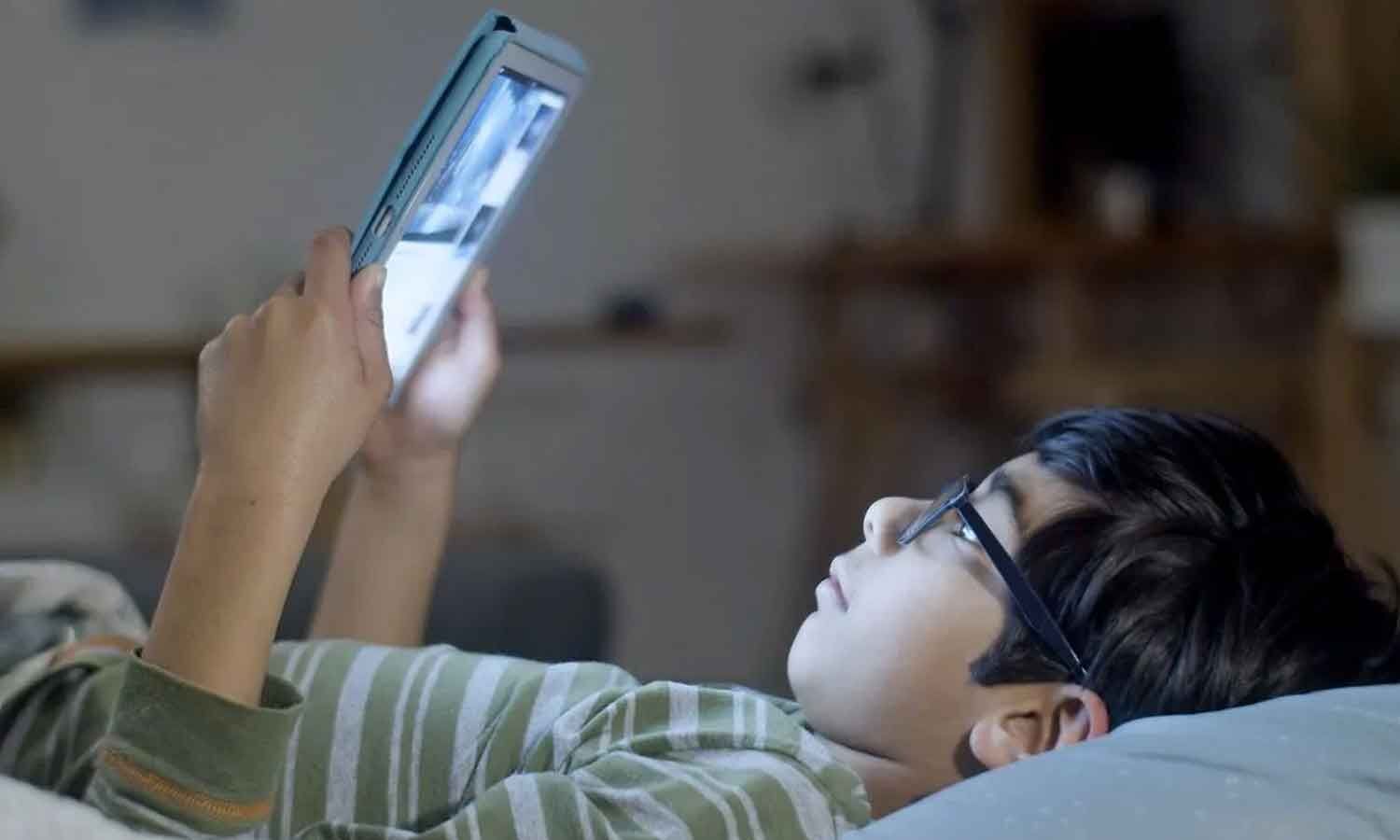
Some parents and teachers say children have found it harder to focus, write by hand, or stop using screens.
A doctor at AIIMS says he is seeing more children with attention and anxiety concerns, though screen use can also worsen problems a child already has.
Schools are bringing back whiteboards, paper and books.
Experts also suggest play, sports and art away from screens.
The rule applies to school screen use, while many students still receive homework and messages online.
Families and schools are being encouraged to help children build healthier screen habits.

On August 13, Gautam Buddha Nagar officials directed schools to limit daily screen use to 30 minutes for primary pupils and 60 minutes for upper-primary pupils.
Officials and school staff said heavy reliance on classroom screens had raised concerns about children’s eyesight, attention, concentration and handwriting.
Some parents described difficulties linked to digital homework and communication, including children resisting limits on phone or TV use.
An AIIMS child psychiatrist said cases involving attention difficulties and anxiety had become more common as children’s screen exposure increased.
Schools are returning to whiteboards, handwriting and physical books, while the article also recommends outdoor play and coordinated efforts with parents.
- Who
- The Gautam Buddha Nagar district administration, schools in Noida and Greater Noida, and primary-school pupils.
- What
- Schools were directed to cap daily screen time at 30 minutes for primary pupils and 60 minutes for upper-primary pupils.
- Where
- Noida and Greater Noida, in Gautam Buddha Nagar district, Uttar Pradesh.
- When
- The direction was issued on August 13; the article describes changes made in the following weeks.
- Why
- The administration cited parents’ concerns about children’s mental and physical health and frequent classroom use of screens.
Reasons to limit classroom screens
Practical reliance on digital learning
Children’s health and learning
Reasons to limit classroom screens
District officials, some parents and school staff said frequent screen use raised concerns about eyesight, attention, concentration, handwriting and behaviour.
Practical reliance on digital learning
The article notes that digital tools remain embedded in homework, school communications and some curricula; parents said restricting screens at home is difficult when schoolwork is online.
Role of classroom technology
Reasons to limit classroom screens
The district administration said screens were being used frequently to display textbooks and run question-and-answer sessions, beyond explaining complex concepts.
Practical reliance on digital learning
A school principal said screen-based teaching had been a great help, particularly during the pandemic, even as her school reduced its classroom use afterward.
Key facts
- Order date
- August 13
- Primary-school screen limit
- 30 minutes daily
- Upper-primary screen limit
- 60 minutes daily
- Classroom practice at Grads International School
- Large screens are used on Wednesdays and Fridays, for no more than half an hour.
- CBSE schools study
- Nearly 74% of students nationwide reportedly spend more than two hours a day on screens for non-academic purposes.
- AIIMS study
- Indian children average roughly 2.2 hours of screen time a day, according to the study cited.
- World Health Organization guidance cited
- No screen time is recommended for children under 1; up to an hour is advised for ages 2 to 4.
Quotes
Dr Rajesh Sagar
Child psychiatrist at AIIMS, Delhi
“Psychological measures come first — we talk to them, use creative activities, customise the approach to the child, engage them, involve them.”
 indianexpress.com
“Print it out. Hand her a highlighter, coloured pens. Let her hold a physical page again.”
indianexpress.com
Aditi Basu Roy
Principal of Grads International School in Greater Noida
“We found that smaller children had forgotten how to write… The small ‘r’ or the small ‘j’, for example. Also, they were finding it difficult to focus and to concentrate.”
indianexpress.com
Sources
Related news
Excessive Screen Time May Affect Children’s Sleep, Learning, Development

PM Modi Urges Teachers to Address Children’s Screen Time
Modi Urges Teachers to Tackle Student Drugs and Screen Time

Philadelphia-Area Schools Reduce Devices and Screen Time
India’s Childhood Conversation Turns From Screens Toward Play
School Awareness Exercise Prompts Children To Reject Mobile Phones

LPG, CNG and PNG Rates Across Indian Cities on October 5

Unverified Samay Raina Screenshot Circulates After Sambhav Jain’s Death

Gurugram Engineer Dies by Suicide in Noida Amid Financial Distress
Gurugram Techie’s Death Followed Reported Financial and Personal Distress