5 hrs ago
Pakistan Expands Curbs as Protests and Security Tensions Rise
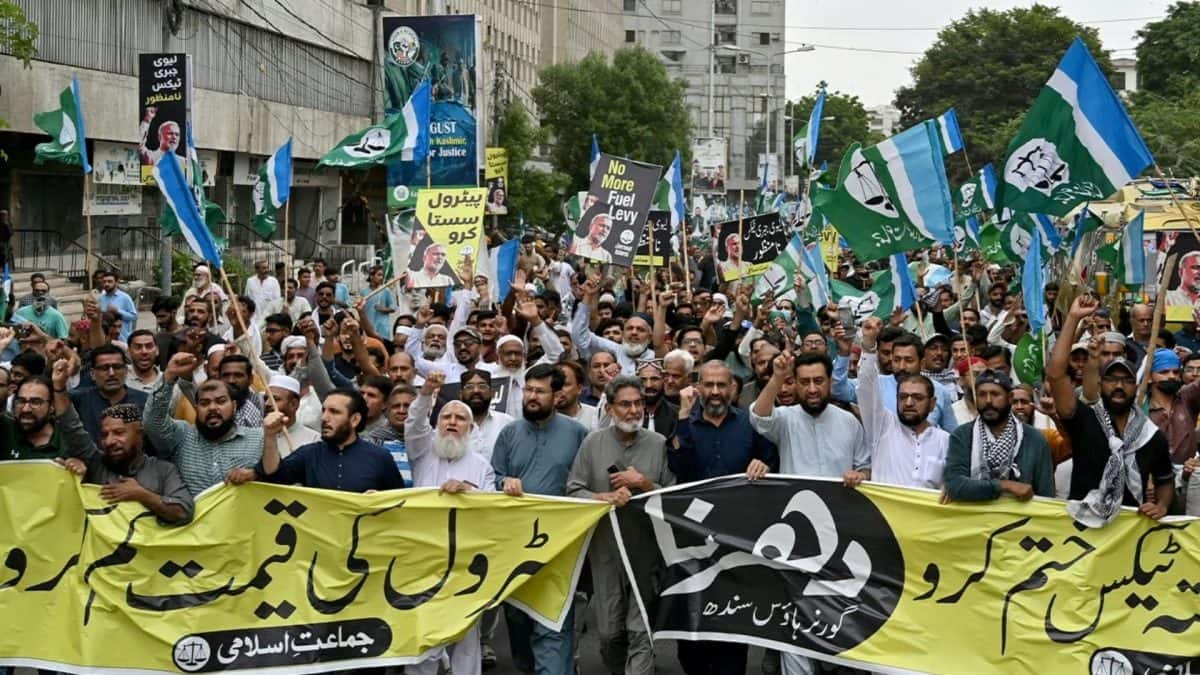
Pakistan has added Karachi to a list of places with strict limits on public gatherings.
In Karachi, more than five people may not gather together until September 30.
Officials say large protests could block roads and make it harder for people to reach hospitals.
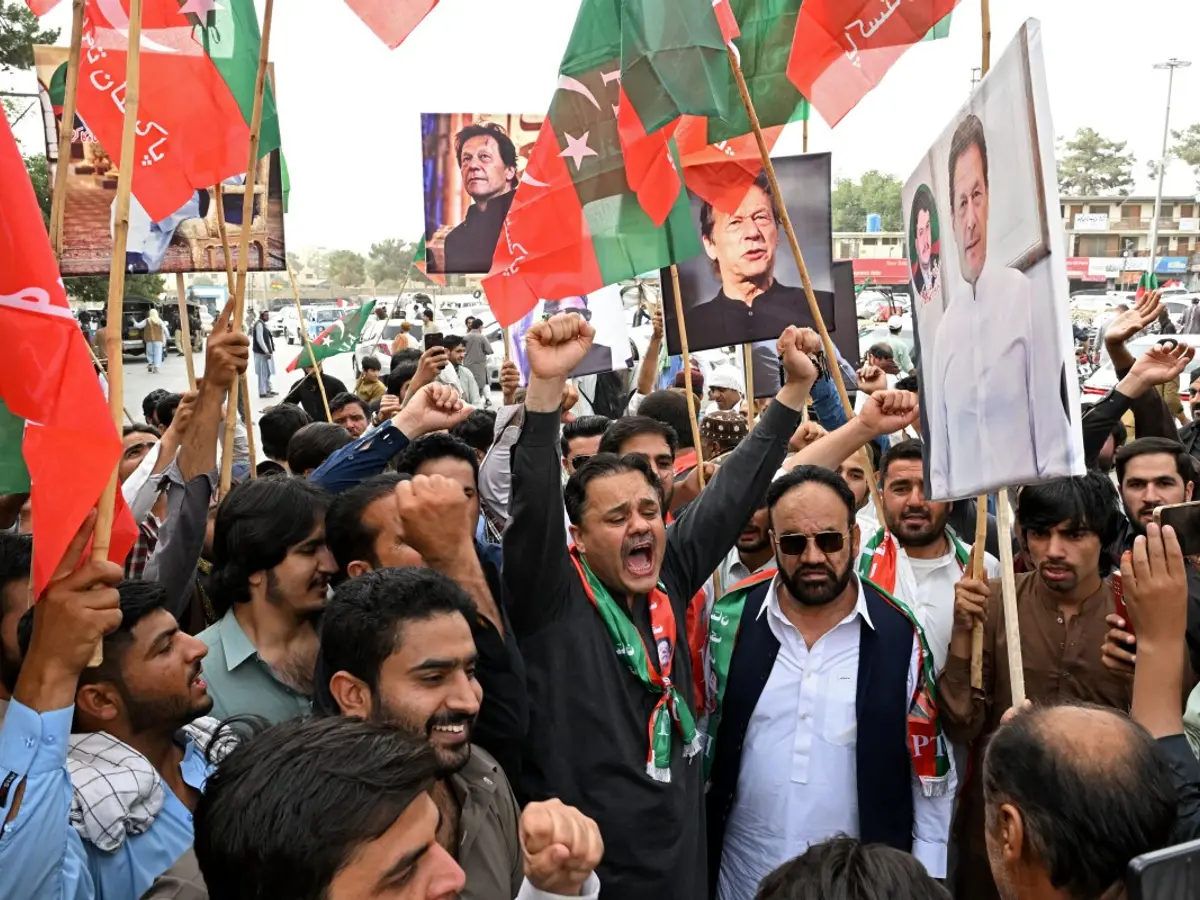
The restrictions come before a planned Pakistan Tehreek-e-Insaf protest on September 27.
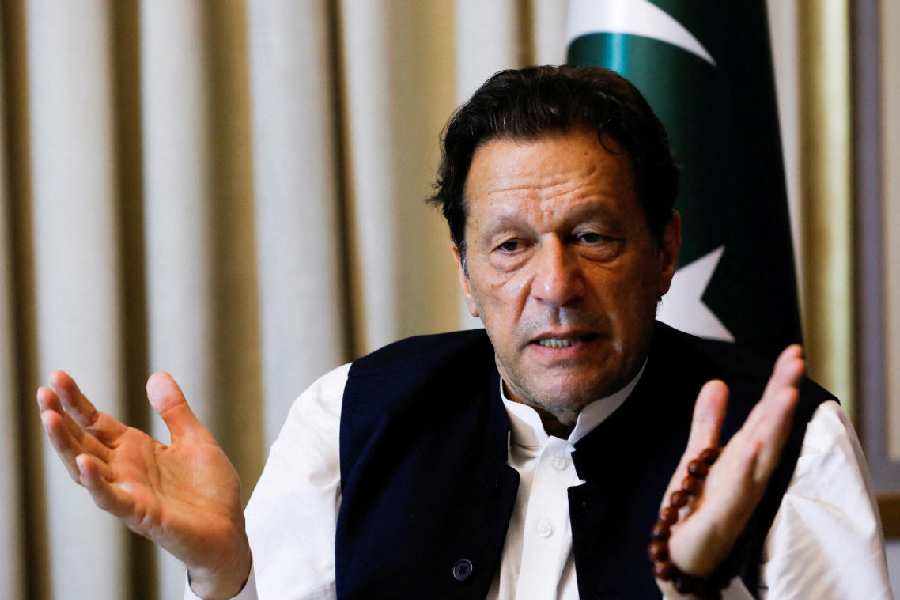
That party wants former Prime Minister Imran Khan, who is in jail, to be released.
Other groups are also planning protests about electricity, fuel prices and taxes.
Authorities have deployed many security personnel and blocked some roads near Islamabad.
The government says these steps are needed to prevent disruption, while Pakistan Tehreek-e-Insaf says many of its supporters have been detained.

Karachi banned gatherings of more than five people from September 24 through September 30.
The restrictions cover protests, rallies, sit-ins, processions and other public gatherings across Karachi Division.
Authorities cited concerns about blocked roads, traffic disruption, hospital access and security risks.
The measures precede a September 27 Pakistan Tehreek-e-Insaf protest seeking Imran Khan’s release.
Jamaat-e-Islami plans protest camps over power outages, while officials warn disruptions could cost 120 billion Pakistani rupees daily.
- Who
- Pakistani authorities, Pakistan Tehreek-e-Insaf, Jamaat-e-Islami and their supporters are involved; Imran Khan is the figure whose release Pakistan Tehreek-e-Insaf is seeking.
- What
- Authorities imposed a ban on gatherings of more than five people in Karachi and introduced broader security restrictions ahead of planned protests.
- Where
- The restrictions affect Karachi Division, with similar measures reported in Islamabad, Punjab, Balochistan, Hyderabad and Sukkur.
- When
- The Karachi restrictions run from September 24 to September 30; a Pakistan Tehreek-e-Insaf protest is planned for September 27.
- Why
- Authorities cited concerns about blocked roads, traffic disruption, restricted hospital access and wider security risks.
Government and security authorities
Protest organizers and opposition groups
Public-order restrictions
Government and security authorities
Authorities say limits and road blockades are necessary to prevent protests from disrupting roads, public services and security.
Protest organizers and opposition groups
Pakistan Tehreek-e-Insaf says nearly 1,500 of its activists have been detained ahead of its planned mobilisation.
Reason for Karachi protests
Government and security authorities
Authorities cite traffic disruption, blocked intersections and restricted access to hospitals as reasons for banning large gatherings.
Protest organizers and opposition groups
Jamaat-e-Islami says it will continue protesting over prolonged power outages and has blamed K-Electric.
Economic consequences
Government and security authorities
Pakistan’s finance minister says strikes, sit-ins and road blockades could cost about 120 billion Pakistani rupees daily.
Protest organizers and opposition groups
The protesting groups are continuing campaigns over issues including Imran Khan’s detention, electricity outages, fuel prices and the petroleum levy.
Key facts
- Karachi gathering limit
- Public gatherings of more than five people are prohibited.
- Restriction period
- September 24 through September 30.
- Planned Pakistan Tehreek-e-Insaf protest
- Scheduled for September 27 to seek Imran Khan’s release.
- Karachi issuing authority
- Karachi Commissioner Syed Hassan Naqvi issued the order.
- Islamabad security deployment
- Around 22,000 security personnel were deployed.
- Reported detentions
- Pakistan Tehreek-e-Insaf said nearly 1,500 activists had been detained.
- Estimated economic impact
- Pakistan’s finance minister warned disruptions could cause losses of about 120 billion Pakistani rupees per day.
Sources
Related news
Pakistan Bans Islamabad Gatherings Ahead Of PTI March

Pakistan Tightens Islamabad Security Ahead of Rival Protest Marches
Pakistan Locks Down Capital Ahead of Imran Khan Protest March
Naqvi Warns PTI Against Forceful March Into Islamabad
Imran Khan’s PTI Delays Islamabad March Amid Government Blockades
Islamabad Hospitals Prepare for Mass Casualty Incident Before PTI Protest
How Pakistan Has Raised Kashmir At The UNGA