

3 weeks ago
Reported US Plan to Vet Foreign Journalists' Social Media for Visas
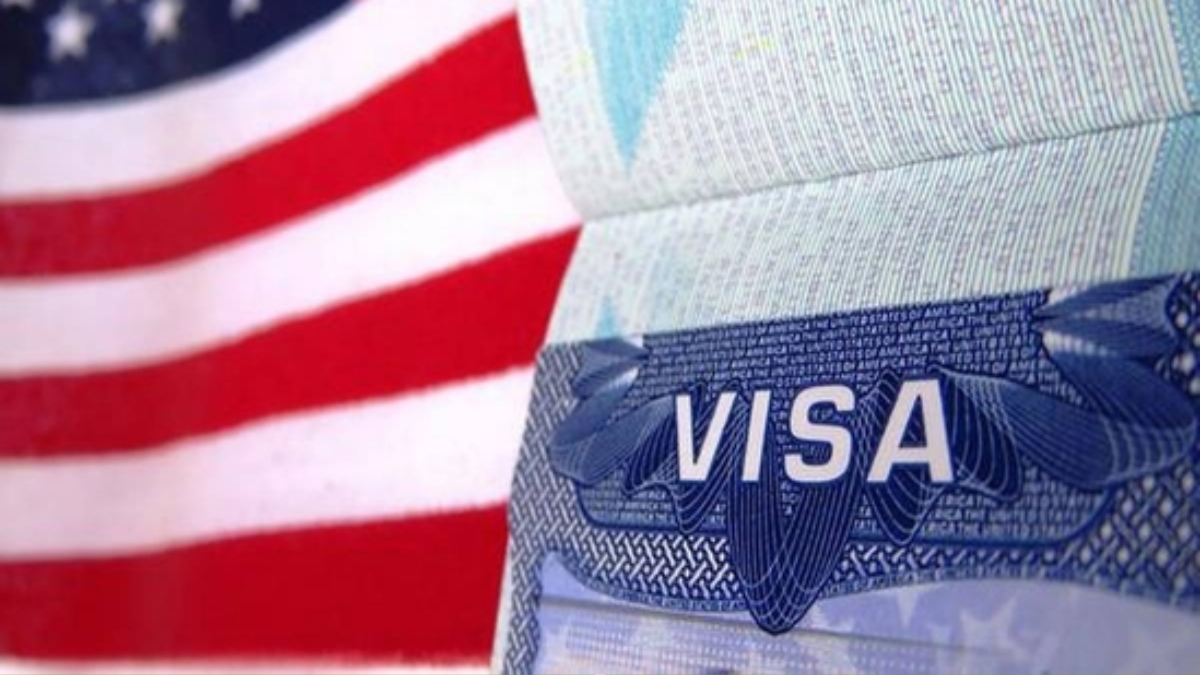
The United States is thinking about checking reporters' social media pages before letting them come to work in the country.
A visa is a special permission that lets people from other countries visit or work in the US.
Journalists are people whose job is to write and share news stories.
The US government already checks social media for many visa applicants.
Now it might also check the public posts of foreign journalists.
This is only a reported plan so far and has not been officially confirmed.
The government says these checks help keep the country safe and make sure visitors follow the law.
Some people worry that checking what reporters say online could hurt free speech.
Indian reporters could be affected, since India was granted 426 journalist visas in 2024, but there is no special rule just for Indian journalists.

The US State Department is reportedly planning to vet the social media accounts of foreign journalists applying for visas, according to a memo reported by The Daily Signal and cited by Reuters.
The move would expand an existing Trump-administration policy requiring applicants for several US visa types to make their social media accounts public for review.
A State Department spokesperson said such checks help ensure applicants meet US legal requirements and do not pose risks to national security, public safety or US interests.
India accounted for 426 I visas — the 'Foreign News Media' visa — issued in 2024, potentially putting hundreds of Indian journalists under the new screening.
A separate Department of Homeland Security rule sets fixed admission periods for I, F and J visa holders, and civil liberties groups have raised free-speech concerns over the policy.
- Who
- Foreign journalists applying for US visas, including 426 Indian I-visa holders in 2024; the US State Department and Department of Homeland Security
- What
- Reported expansion of 'online presence vetting' to cover foreign journalists' social media accounts in visa screening, plus a new DHS rule setting fixed admission periods for I, F and J visa holders
- Where
- United States
- When
- Timing for the reported expansion is unclear; the DHS rule is expected to take effect 60 days after publication in the Federal Register, subject to congressional review
- Why
- To screen applicants 'as thoroughly as possible' to protect national security, public safety and US interests and prevent fraud, as part of a wider Trump-administration visa crackdown
Civil Liberties Advocates
Trump Administration / State Department
Social Media Screening
Civil Liberties Advocates
The policy has raised free-speech concerns among civil liberties groups, particularly after USCIS said it would check applicants' social media for antisemitic and 'anti-American' content.
Trump Administration / State Department
The State Department says the checks ensure applicants meet US legal requirements and help protect national security, public safety and US interests, while preventing fraud.
Impact on Indian Journalists
Civil Liberties Advocates
The reported policy could mean greater scrutiny of Indian journalists' publicly available social media presence when they apply for US visas.
Trump Administration / State Department
There is no indication of a separate or India-specific screening regime; the change would apply to foreign media representatives generally.
Key facts
- Policy
- Expansion of social media (online presence) vetting to foreign journalists' visa applications
- Reporting
- Internal memo reported by The Daily Signal and cited by Reuters
- Affected group
- Foreign journalists and applicants under a separate visa category used by Canadian and Mexican workers
- Agency
- US State Department; related DHS rule on fixed admission periods
- India I visas in 2024
- 426 issued, versus 90,129 F visas and 15,208 J visas
- I visa features
- No fixed cap; generally valid up to five years, with length of stay set by border officers
- Status
- Reported plan; not confirmed as proceeding
- India-specific screening
- None indicated
Sources

Related news
Trump Admin Expands Social Media Checks for Foreign Journalist Visas
U.S. Pauses Worldwide Immigrant Visa Interviews Amid Tougher Screening
US Pauses Worldwide Visa Appointments Amid Trump Immigration Crackdown

Harvard, NYU and Purdue Explore India University Presence

US Panel Urges Visa Revocation, Sanctions During Bhagwat Visit
Thirty US Senators Demand Answers on Student Visa Delays
US Warns Middle East Travelers Amid Escalating Iran-Linked Tensions
Family Seeks US Intervention Over VanDyke Detention in Delhi
Trump Seeks Parental Status Proof for Children’s Passports

Debt, Not Inflation, Is Driving the Bond Selloff
US Court Ends Trump Visa Pause Affecting 75 Countries
