3 weeks ago
Trump Admin Expands Social Media Checks for Foreign Journalist Visas
The United States is thinking about new rules for people from other countries who want to visit or work there.
Some people who ask for a visa already have to show the government their social media accounts.
Now, more people might have to do this, including journalists who report the news from other countries.
The government says it checks these accounts to keep the country and its people safe.
It wants to make sure visitors will follow America's laws and are not dangerous.
The new rules would also limit how long some visitors can stay.
Foreign journalists could stay for about eight months, and foreign students for up to four years.
Some people worry these checks could limit free speech.
It is not yet known when the new rules will begin.

The Trump administration plans to expand social media screening for more visa categories, including foreign journalists, foreign media representatives, and some workers from Canada and Mexico.
The expansion was reported by The Daily Signal, citing an internal memo, and shared by White House Press Secretary Karoline Leavitt.
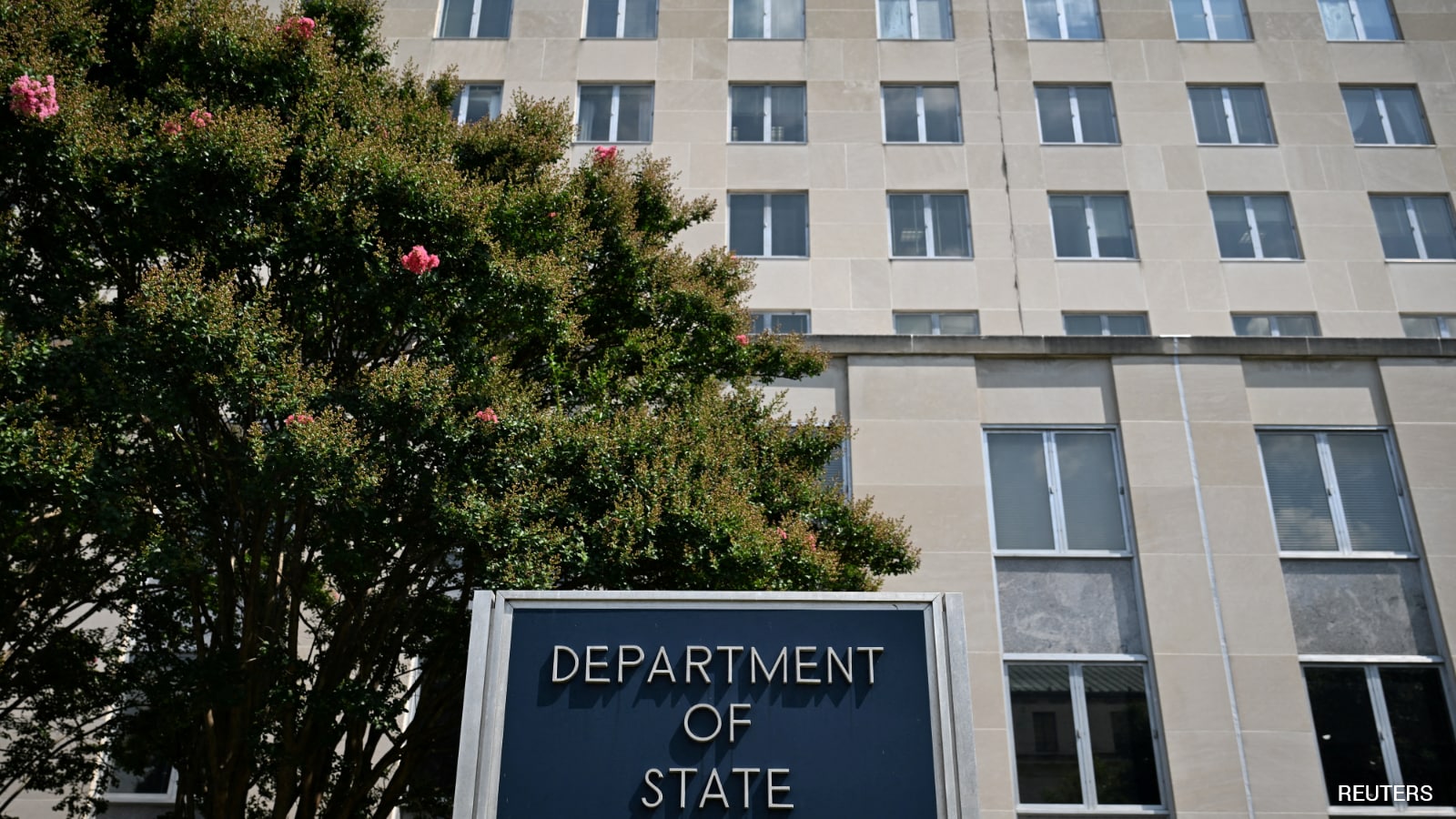
A State Department spokesperson said 'online presence vetting' helps ensure applicants do not pose risks to national security, public safety or US interests, while declining to confirm the report's specifics.
Proposed stay limits would cap foreign journalists at 240 days (about eight months) and foreign students at up to four years, with the option to seek extensions.
Secretary of State Marco Rubio said 'a visa is a privilege, not a right,' as the administration also tightens rules for undocumented migrants and citizens of several countries.
- Who
- President Donald Trump's administration, the US State Department, and visa applicants including foreign journalists, foreign media representatives, and some workers from Canada and Mexico
- What
- Expanding social media screening to more visa categories and introducing stay limits for foreign journalists and students
- Where
- United States of America
- When
- Reported in early August 2026; the effective date has not yet been announced
- Why
- To ensure applicants respect US law and do not pose threats to national security, public safety or US interests
Civil liberties advocates
Trump administration
Social media screening
Civil liberties advocates
Expanded screening raises freedom of speech concerns; critics point to canceled visas of students engaged in pro-Palestinian activism and revocations tied to online comments.
Trump administration
The State Department says 'online presence vetting' ensures applicants respect US law and do not pose threats to national security, public safety or US interests.
Visa restrictions
Civil liberties advocates
Tightened rules and stay limits restrict who can enter the country and could penalize people for their speech.
Trump administration
Secretary of State Marco Rubio said 'a visa is a privilege, not a right,' and the administration says it is screening applicants to the maximum extent possible.
Key facts
- Policy
- Expanded social media screening for visa applicants
- Affected groups
- Foreign journalists, foreign media representatives, and some workers from Canada and Mexico
- Journalist stay limit
- 240 days (about 8 months), with option to seek extensions
- Student stay limit
- Up to 4 years
- Current scope
- Screening already applies to certain visa categories, including student visas
- Source of report
- The Daily Signal, citing an internal memo
- State Department response
- Declined to confirm specifics, citing policy on 'purported internal documents'
- Effective date
- Not yet announced
Quotes
US Secretary of State Marco Rubio
U.S. Secretary of State
“"The Department of State is screening and vetting to the maximum extent possible every foreign national seeking admission to the United States to ensure they will respect US law including the terms of their admission and do not pose a threat to US security, public safety or national interests," the spokesperson said.”
 NDTV
NDTV
“"online presence vetting" is used to determine whether visa applicants meet US legal requirements.”
 news18.com
Sources
Related news
Reported US Plan to Vet Foreign Journalists' Social Media for Visas
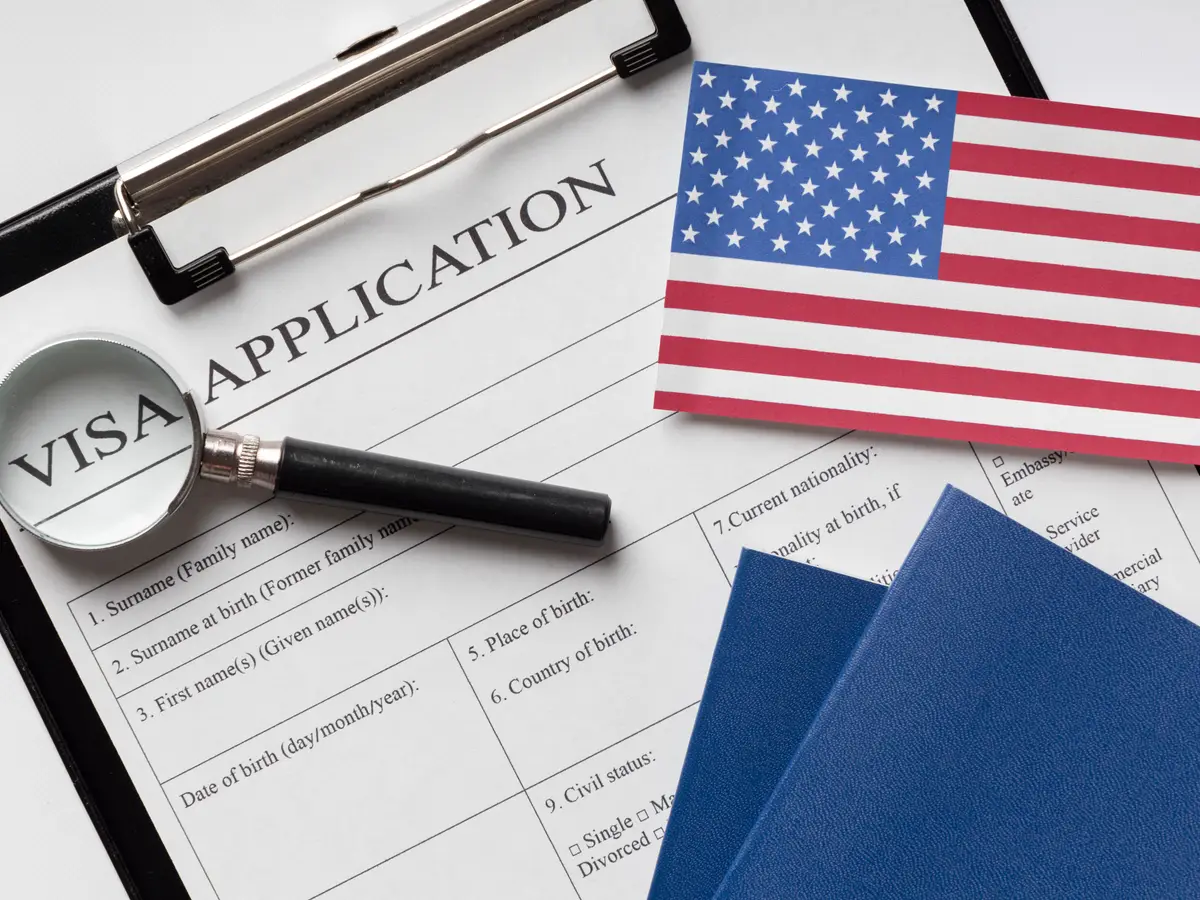
US Pauses Worldwide Visa Appointments Amid Trump Immigration Crackdown
US Pauses Visa Appointments Worldwide Amid Trump Immigration Crackdown
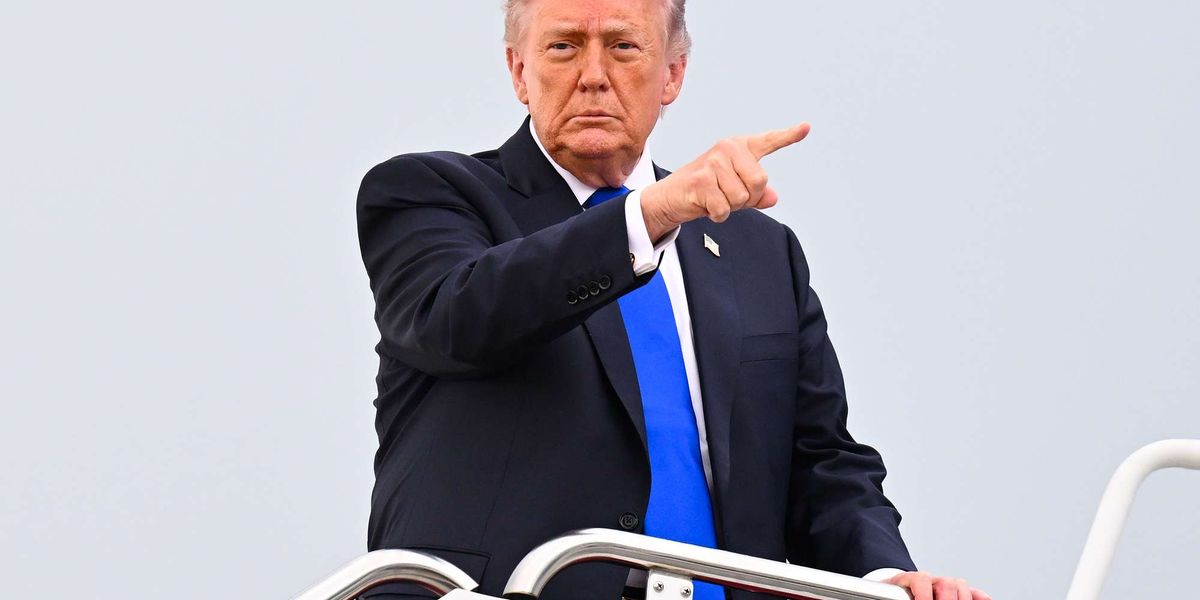
Trump Administration Pauses Global Immigrant Visa Interviews Amid Crackdown
U.S. Pauses Worldwide Immigrant Visa Interviews Amid Tougher Screening
US Court Ends Trump Visa Pause Affecting 75 Countries
World Roundup Spans Xi’s Egypt Visit and FBI Hamas Seizure
Utah Judge Sends Charlie Kirk Murder Case To Trial

Defense Challenges Death Penalty in Charlie Kirk Case
Barron Trump Keeps Low Profile Amid Iran-Linked Security Threats
Judge blocks Trump's deportation efforts over pro-Palestinian speech