1 hr ago
What a 10-Second One-Leg Stand May Reveal About Health
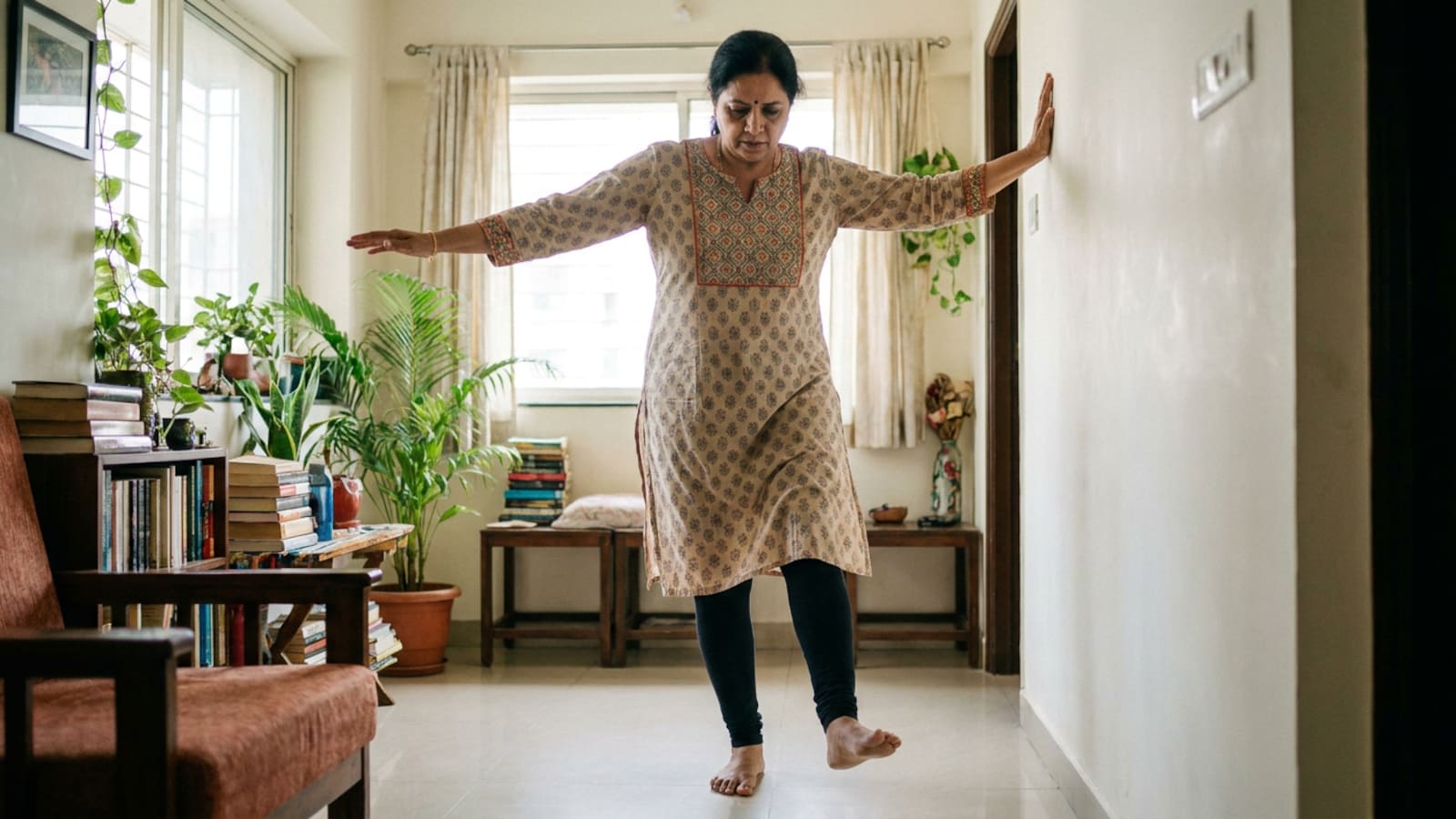
Standing on one foot asks your body to keep you steady.
Your muscles, joints, eyes, inner ear and brain all help with this.
A 10-second stand can offer a quick clue about balance and physical function, especially for older adults.
One study found that people who could not do it had a higher risk of dying in the following years.
That does not mean the test can tell whether one person is sick or what will happen to them.
Balance can be affected by age, strength, mobility and medical conditions.
If you try the test, stand near a sturdy chair or wall.
Walking and suitable balance and strength exercises may help, but use support when needed.

Standing on one leg requires coordination among muscles, joints, vision, the inner ear and the nervous system.
The 10-second test offers a simple indication of balance and physical function, especially in older adults.
A 2022 study in the British Journal of Sports Medicine linked inability to complete the test with a higher risk of death from any cause in following years.
Difficulty balancing may point to a need to assess mobility, muscle strength or fall risk, but the test cannot diagnose disease or predict a fall.
Supported balance practice, walking and suitable strengthening exercises may help maintain balance; the article advises using support and consulting a clinician for medical guidance.
- Who
- Older adults and others who want to assess one aspect of balance and physical function.
- What
- A 10-second one-leg stand is described as a simple balance check, not a diagnostic test.
- Where
- The test can be tried at home on a flat, non-slippery surface, with a sturdy chair or wall nearby.
- When
- A 2022 study reported an association with later mortality risk; the article gives no date for the test guidance.
- Why
- Balance can offer information about physical function and may help identify areas—such as mobility, strength or fall risk—that warrant attention.
Key facts
- Test duration
- 10 seconds on one leg
- What it assesses
- Balance and an aspect of physical function
- Study
- Published in the British Journal of Sports Medicine in 2022
- Reported finding
- Participants unable to stand on one leg for 10 seconds had a higher risk of death from any cause over the following years.
- Test limitation
- It is not a diagnosis and cannot by itself predict a fall.
- Safety advice
- Use a flat, non-slippery surface and keep a sturdy chair or wall within reach.
- Suggested activities
- Walking, suitable leg-strengthening exercises, supported balance practice, tai chi or supervised balance training
Sources
Related news
Why Aging Can Affect Balance and Five Exercises May Help

65-Year-Old Wins World Powerlifting Title, Highlighting Strength Training
Why the Deep Squat Matters More as You Age
Manisha Koirala Combines Mobility Exercises With Strength Training
Leg Trembling After Sitting Is Not Always Diabetes
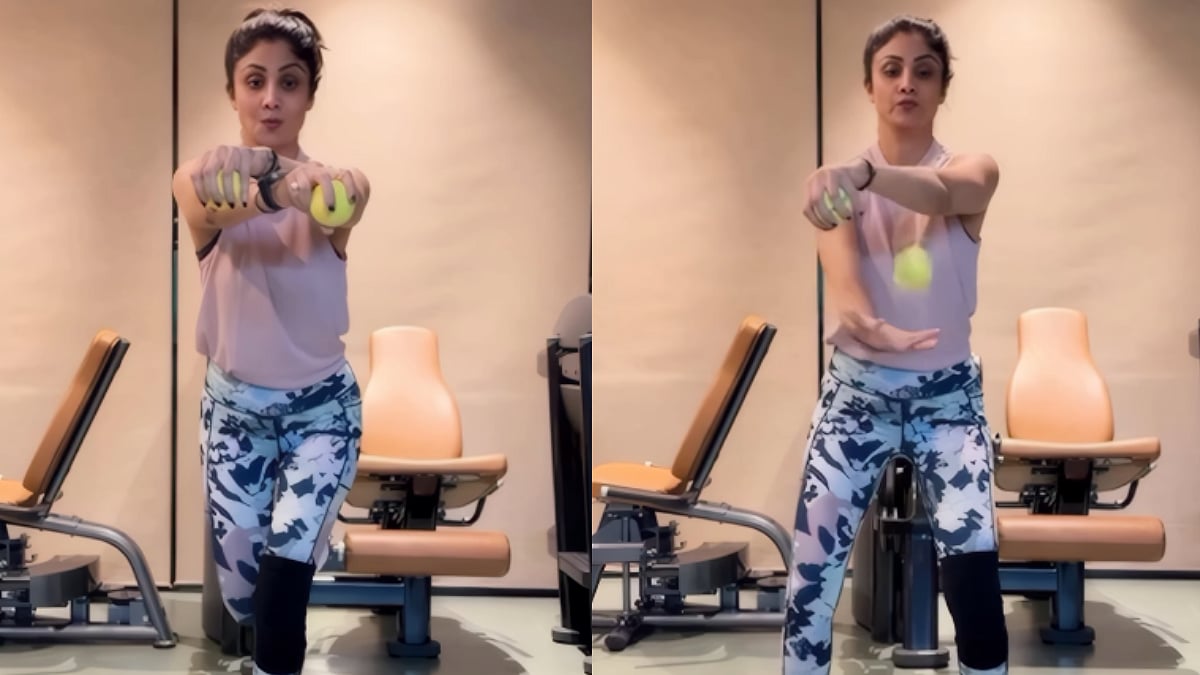
Shilpa Shetty’s Ball Challenge Combines Fitness With Brain Training

Harvard Study Links Brisk Walking With Longer Lifespan

Regular Exercise After Cancer Treatment Linked to Longer Survival

Bumrah advised 6-12 months rest by former India pacer