

2 weeks ago
Supreme Court Seeks Affidavit on Institutionalising NEET Reforms
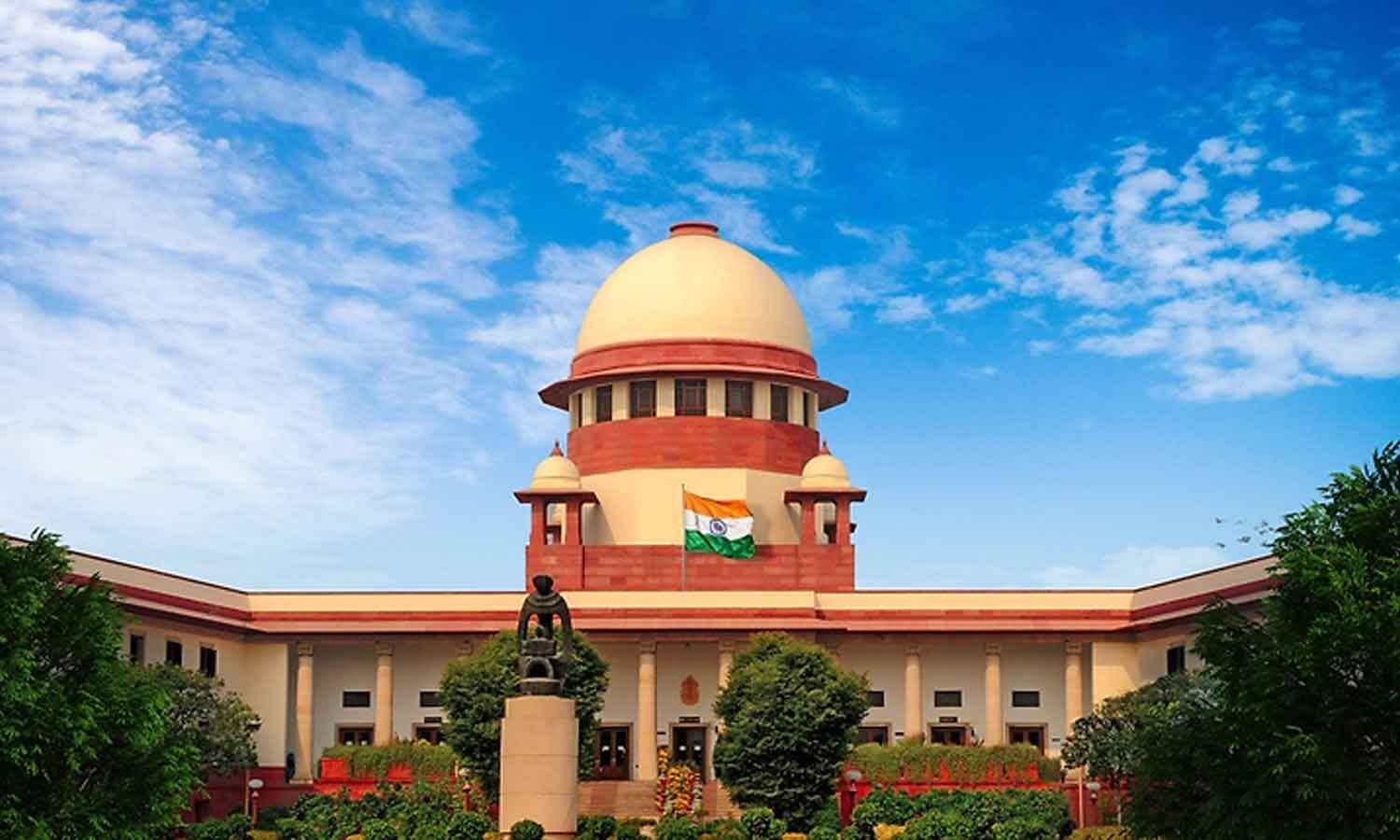
The Supreme Court is checking whether India has made the NEET medical entrance exam safer.
It asked the government and the National Testing Agency to explain which reforms they have put into practice.
The reforms were recommended by the Radhakrishnan Committee and the Nandan Nilekani-led task force.
The judges said reforms should become a permanent part of the system, not just plans written on paper.
They said the NTA needs enough trained people, equipment and technology to work reliably.
The government said safeguards are used from printing the papers until students receive them.
It said several moderators prepare many questions, so one person does not choose the entire paper.
It also said papers are moved with police protection, GPS tracking and other surveillance.
The government must provide a detailed affidavit within three weeks.

The Supreme Court directed the Centre and NTA to report steps taken on NEET reform recommendations.
The court ordered a fresh affidavit with details and indicative timelines within three weeks.
Justices PS Narasimha and Alok Aradhe said reforms must become a permanent institutional system.
The government described safeguards from question-paper printing through delivery, including GPS-tracked transport.
Officials said multiple moderators prepare question banks and papers are transported under police escort and surveillance.
- Who
- The Supreme Court bench of Justices PS Narasimha and Alok Aradhe, the Centre, the National Testing Agency, Solicitor General Tushar Mehta, and petitioners including the Federation of All India Medical Association.
- What
- The court directed the Centre and NTA to report steps taken to implement NEET reform recommendations and ordered a fresh affidavit with timelines.
- Where
- The matter was heard by the Supreme Court in New Delhi.
- When
- Wednesday, August 19; the year was not specified. The affidavit and next hearing were scheduled within three weeks.
- Why
- The court wants NEET reforms and NTA safeguards to be institutionalised following concerns arising from the NEET-UG paper leak and recurring examination-security risks.
Government’s Existing Safeguards
Court’s Institutional Reform Demand
Current exam security
Government’s Existing Safeguards
Solicitor General Tushar Mehta said safeguards operate from question-paper printing until students receive the papers and described the system as foolproof and difficult to breach.
Court’s Institutional Reform Demand
The court said procedures may look sound on paper but can change between examinations, so safeguards must be institutionalised.
Question-paper handling
Government’s Existing Safeguards
The government said papers are printed under CCTV and Central Industrial Security Force surveillance, transported under police escort with GPS tracking, and stored in separate bank strong rooms.
Court’s Institutional Reform Demand
The court sought a detailed account of measures that will ensure these protections operate consistently over time.
NTA’s future
Government’s Existing Safeguards
The committees have considered structural reforms and technologies such as artificial intelligence and blockchain to strengthen examination security.
Court’s Institutional Reform Demand
The court said the NTA must become a vibrant, robust institution with sufficient infrastructure, manpower and technological capabilities, rather than relying on temporary fixes.
Key facts
- Court bench
- Justices PS Narasimha and Alok Aradhe
- Affidavit deadline
- Within three weeks, with indicative timelines
- Reform bodies
- The seven-member Radhakrishnan Committee and the Nandan Nilekani-led task force
- NTA requirements
- The court said the agency needs necessary infrastructure, manpower and technological capabilities
- Paper security
- The government described safeguards from printing through delivery, including CCTV surveillance, police escort, GPS tracking and bank strong rooms
- Question preparation
- Several moderators prepare question banks, without knowing which questions will be selected
- Technology under consideration
- The committees considered advanced technology including artificial intelligence and blockchain
Quotes
Justices P.S. Narasimha and Alok Aradhe
Supreme Court Justices
“"The Radhakrishnan Committee has correctly said it is a systemic problem which needs institutionalisation, which is the most important part of it. This process on paper everything is good. But then one exam happens and by the time the second exam happens it is a new picture all together."”
 NDTV
NDTV
 m.rediff.com
 theprint.in
“"We direct the Secretary to file an affidavit indicating and detailing the steps that have been taken to implement the suggestions made by the Radhakrishnan committee as reflected and nuanced by the Nandan Nilekani committee."”
 thehansindia.com
Sources


Related news

Supreme Court Seeks NEET Reform Steps, GPS Safeguards Cited
Supreme Court Seeks NTA Reform Details After NEET Leak

Supreme Court Seeks Continuity in National Testing Agency Reforms
Supreme Court Seeks Stronger Measures to Prevent Exam Paper Leaks

Former UGC Chief Urges Strengthening NTA, Rejects Replacement

SC Seeks Institutional Reform as SG Mehta Details NEET Safeguards
Centre Seeks Supreme Court Clarity on OBC CSE 2025 Rules

Supreme Court Special Bench to Review OBC Creamy Layer Criteria
Supreme Court Seeks States’ Response on Footpath Rights
Supreme Court Splits Over ‘Industry’ Definition Under Labour Law
