1 week ago
Maharashtra Healthcare Bill Expands Regulation, Leaves Charges Uncapped
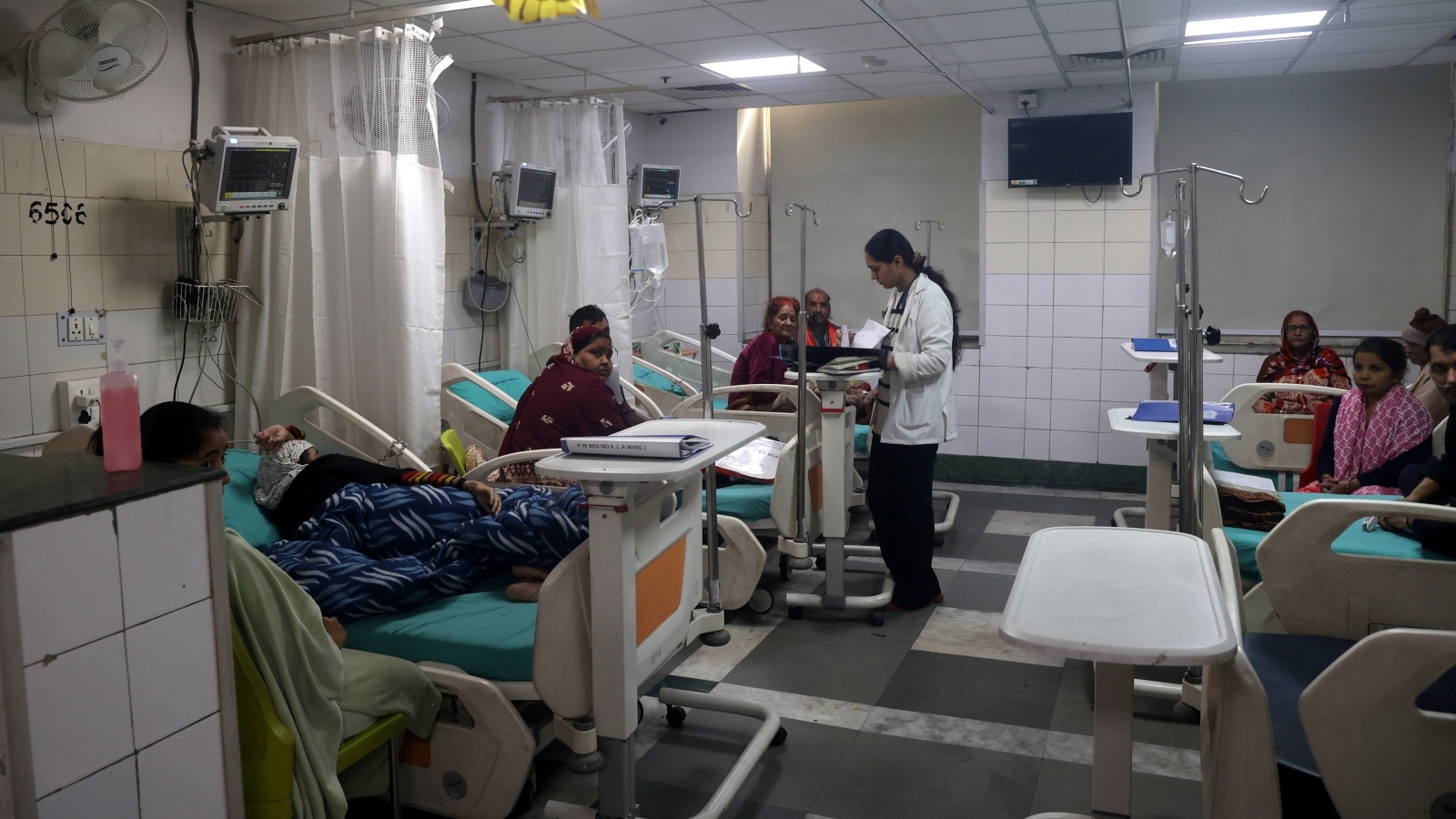
Maharashtra has proposed a new law for hospitals and other healthcare centres.
The Bill would make these facilities register with the state and follow minimum standards.
It would cover many kinds of medical care, including scans and different recognised systems of medicine.
Hospitals would have to give emergency patients basic help even if they cannot pay immediately.
They would also need to explain treatments and estimated costs to patients.
Prices would be shown in Marathi, Hindi and English, and bills would list each charge.
However, the law would not set maximum prices for treatment.
A health rights group says the proposal leaves out some protections from 2021.
The Bill is now being reviewed by a committee that may suggest changes.

The Maharashtra Clinical Establishments (Registration and Regulation) Bill, 2026, would replace the 1949 nursing homes law.
It would require hospitals, clinics, laboratories and diagnostic centres to register and meet prescribed standards.
Hospitals would have to stabilise emergency patients, provide basic life support and follow “Golden Hour” protocols before referral.
Facilities would display prices in Marathi, Hindi and English, publish them online and issue itemised bills, but face no statutory price caps.
Jan Arogya Abhiyan says the Bill omits several 2021 patient protections and lacks a clear district- and state-level grievance system.
- Who
- The Maharashtra government and Assembly are considering the Bill; hospitals, clinics, laboratories and diagnostic centres would be regulated, while Jan Arogya Abhiyan has raised objections.
- What
- The Maharashtra Clinical Establishments (Registration and Regulation) Bill, 2026, proposes mandatory registration, minimum standards, emergency-care duties and greater billing transparency.
- Where
- Maharashtra, India.
- When
- The Bill was introduced on July 3, 2026, and is expected to be considered during the upcoming winter session after committee review.
- Why
- The government says the Maharashtra Nursing Homes Registration Act, 1949, is outdated, while the COVID-19 pandemic renewed attention on private healthcare regulation and hospital charges.
Bill’s proposed framework
Jan Arogya Abhiyan’s objections
Regulation and standards
Bill’s proposed framework
The Bill would replace the 77-year-old law, make registration mandatory and establish a state council to set minimum standards for clinical establishments.
Jan Arogya Abhiyan’s objections
Jan Arogya Abhiyan argues that the proposal does not retain several patient protections included in Maharashtra’s 2021 rules.
Hospital charges
Bill’s proposed framework
The Bill would improve transparency by requiring multilingual rate displays, online publication of rates and itemised bills; facilities could not charge more than displayed rates.
Jan Arogya Abhiyan’s objections
Health rights groups highlight that the Bill does not regulate or cap hospital charges and does not prescribe standard or maximum rates.
Patient complaints and protections
Bill’s proposed framework
The Bill includes rights related to treatment information, medical records, informed consent, second opinions, privacy, dignity and non-discrimination.
Jan Arogya Abhiyan’s objections
Jan Arogya Abhiyan says the Bill omits protections concerning unpaid bills, deceased patients’ bodies, female attendants, HIV-related discrimination, provider choice and proper discharge summaries, and lacks a comparable district- and state-level grievance mechanism.
Key facts
- Proposed law
- Maharashtra Clinical Establishments (Registration and Regulation) Bill, 2026
- Existing law
- Maharashtra Nursing Homes Registration Act, 1949
- Registration
- Permanent registration would last five years and require compliance with prescribed standards.
- Covered facilities
- Hospitals, nursing and maternity homes, clinics, laboratories and diagnostic centres.
- Emergency duty
- Facilities would have to stabilise emergency patients and provide basic life support regardless of immediate ability to pay.
- Price transparency
- Rates would be displayed in Marathi, Hindi and English, published online and included in itemised bills.
- Price control
- The Bill would not prescribe standard or maximum rates for hospital services.
- Next step
- A Joint Legislative Committee is examining stakeholder suggestions and objections and can recommend changes.
Sources
Related news

Maharashtra Clinical Establishments Bill Draws 2,000 Suggestions From Doctors
Bengal clinical establishment commission chairperson's final prescription for health reform
Government Defends Clinical Establishments Rules 2012 Before Supreme Court
Allahabad High Court Flags Huge Disparity in Private Hospital Fees

Mumbai Mayor Orders Jogeshwari Hospital Service Improvements After Surprise Inspection
Consumer Commission Holds Bhatia Hospital Guilty for Delaying Newborn Discharge

Stocks to Watch Thursday as Key Corporate Developments Drive Focus

Jarange Accuses Maharashtra Government of Inciting Riots During Fast
Mumbai Trains Election Officials Amid Statewide Electoral Roll Revision

Bombay Gymkhana Squash Finals Set After Junior Semifinals

NMMC Launches Navi Mumbai Drive to Protect Existing Trees