11 hrs ago
Indian Courts Put a Value on Homemakers’ Unpaid Work
Many people do important work at home without being paid.
This work includes caring for family members and keeping a household running.
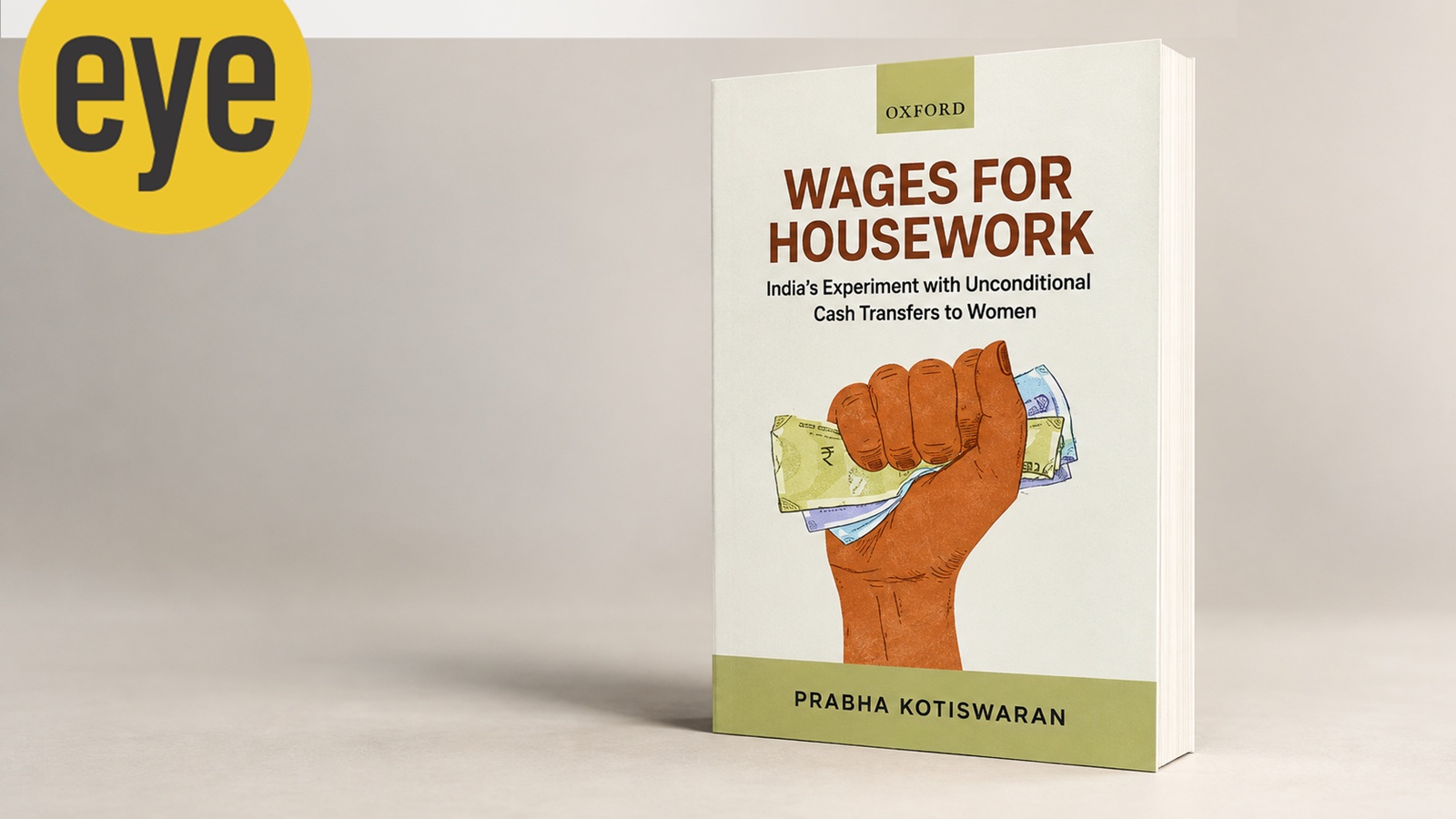
Prabha Kotiswaran’s book asks how India can recognize and value this labour.
It looks at cash payments offered to women in several states, though these programs were not always described as wages for housework.
The book also studies court decisions that estimate the value of a homemaker’s work when she is injured or dies.
Courts have increasingly counted more kinds of care and household work and awarded higher compensation.
Interviews in three states explore whether cash payments change women’s schooling or jobs, but there is no clear agreement.
The book argues that governments should count unpaid work and improve care services and basic infrastructure.

Prabha Kotiswaran’s book examines whether Indian cash-transfer schemes recognize homemakers’ unpaid labour.
The book traces arguments for valuing housework to both an Indian women’s movement and the 1972 Wages for Housework campaign.
Its review of about 300 Indian court judgments finds courts have broadened the kinds of homemaking services counted and raised compensation for their loss.
Interviews in Goa, Assam and West Bengal explore whether cash transfers affect women’s education and employment; findings do not settle the debate.
The book’s Care Manifesto proposes better measurement of unpaid work and investment in infrastructure and care services.
- Who
- Prabha Kotiswaran, author of Wages for Housework, and Indian homemakers whose unpaid work is the book’s focus.
- What
- A book examines how unpaid domestic and care work is valued, including through state cash-transfer schemes and court compensation.
- Where
- India, including field interviews in Goa, Assam and West Bengal.
- When
- The book reviews about 300 court judgments spanning five decades; the article also traces the Wages for Housework campaign to 1972.
- Why
- To examine recognition of unpaid domestic and care labour and whether cash transfers and other state measures can address its invisibility.
Arguments for cash transfers
Concerns about cash transfers
Recognition and value of unpaid work
Arguments for cash transfers
Cash transfers can help recognize women’s domestic and care work, which is often treated as personal rather than economically valuable labour.
Concerns about cash transfers
Critics worry that paying women for this work could reinforce the gendered division of labour rather than change it.
Effects on education and employment
Arguments for cash transfers
The book investigates whether transfers can support women and girls, and tests concerns by asking women in three states about their experiences.
Concerns about cash transfers
A concern is that transfers could discourage girls’ schooling or pull women out of the workforce; the fieldwork does not produce a unanimous answer.
Key facts
- Book
- Wages for Housework by Prabha Kotiswaran
- Court judgments reviewed
- About 300, spanning five decades
- Fieldwork locations
- Goa, Assam and West Bengal
- Campaign origin
- The Wages for Housework campaign began in Padua, Italy, in 1972
- Indian predecessor discussed
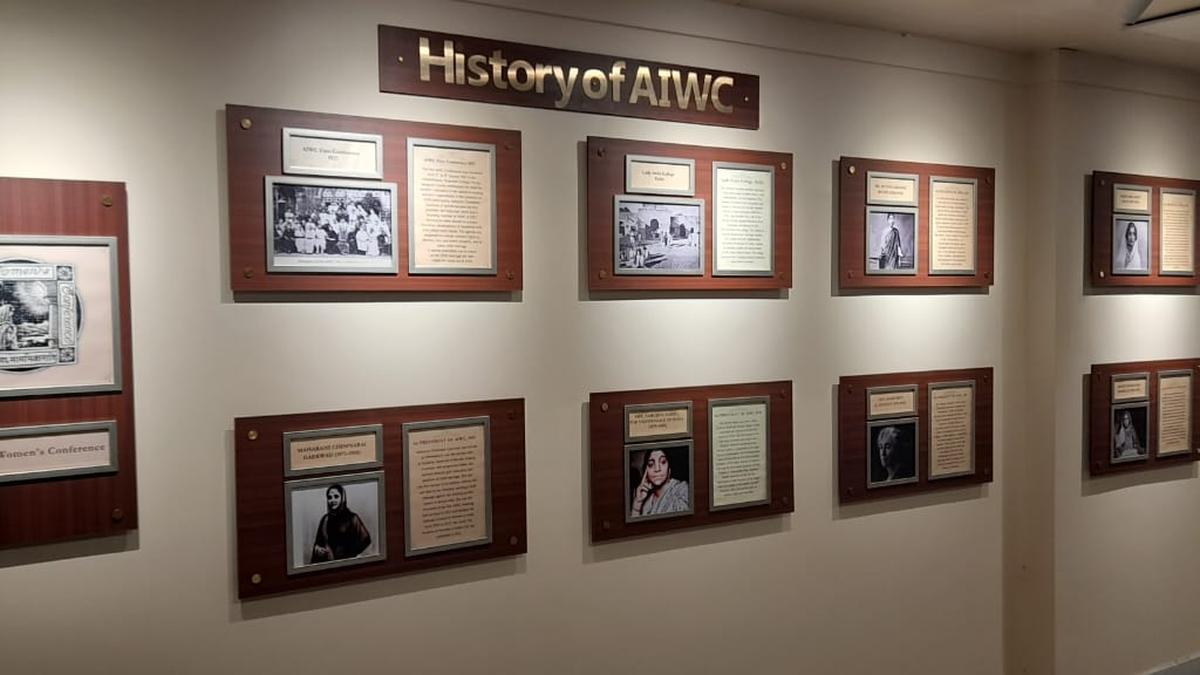
- The All India Women’s Conference’s 1939 report and 1946 Indian Women’s Charter
- Policy proposal
- The Care Manifesto calls for surveys of unpaid work and investment in basic and care infrastructure
Sources
Related news
India’s Cash Transfers Need Livelihoods To Fight Poverty

Madras High Court Grants Wife Rs 2.5 Crore Alimony

Kanpur Mother-Daughter Duo Helps Women Earn Through Handmade Crafts

Madras High Court Resolves Dispute, Urges Shared Domestic Duties
Survey Finds Few Indians Use Public Transport to Work
Twenty-Five Women Receive Job Offers in Empowerment Initiative
Women Reformers Transform Social Activism in Colonial Andhra

How India Shaped Gloria Steinem’s Feminist Organizing Lessons