13 hrs ago
Tamil Nadu Strengthens Monsoon Preparations Against Floods and Dengue

Tamil Nadu is getting ready for heavy seasonal rains.
The Northeast monsoon is expected to affect the state from October to December.
Government officials met to plan for floods and other emergencies.
They will look for mosquitoes and remove places where dengue mosquitoes can grow.
People in risky areas will receive warnings and safety information.
Shelters will be prepared with food, water, electricity, sanitation, and medical care.
Rescue teams will keep boats and other equipment ready.
Hospitals will prepare to quickly test and treat people who may have dengue.

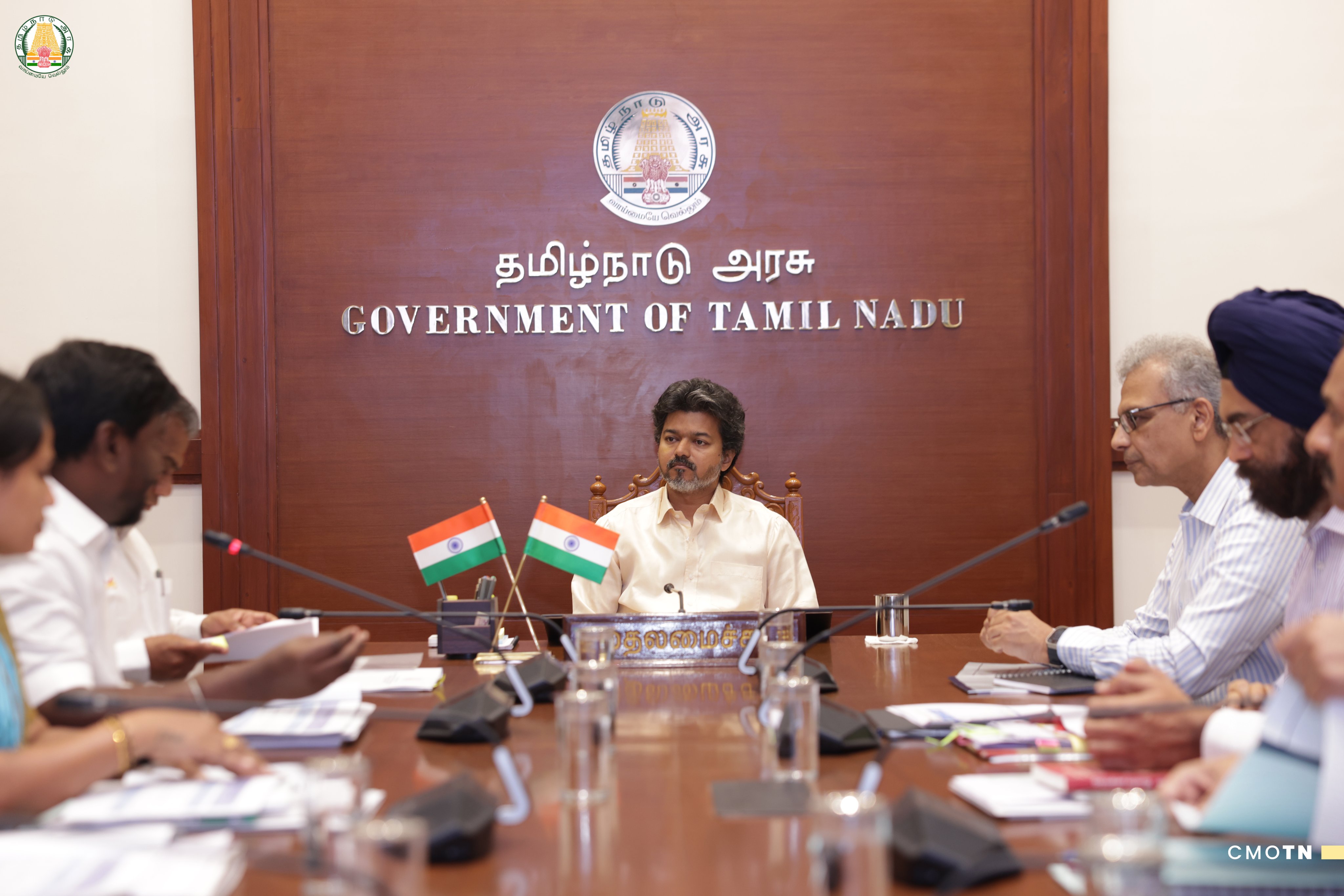
Tamil Nadu officials reviewed preparations for the Northeast monsoon, expected between October and December.
Chief Minister C Joseph Vijay ordered expanded dengue surveillance, fogging, and door-to-door checks for Aedes mosquito larvae.
Authorities will identify flood-prone coastal areas and prepare evacuation plans, shelters, rescue centers, and relief camps.
Rescue teams, boats, life rafts, generators, dewatering pumps, and emergency communication systems will be kept ready.
Hospitals and primary health centers were directed to improve dengue testing, fluid therapy, clinical assessment, and inpatient care.
- Who
- Tamil Nadu Chief Minister C Joseph Vijay, district administrations, government departments, health officials, and rescue teams.
- What
- The government reviewed preparations for the Northeast monsoon, including flood response, dengue prevention, evacuation, relief, and medical readiness.
- Where
- Across Tamil Nadu, especially coastal villages, flood-prone areas, high-risk zones, hospitals, and primary health centers.
- When
- The review meeting was held on Monday; the Northeast monsoon is expected between October and December.
- Why
- To reduce the risks from flooding, seawater intrusion, coastal erosion, mosquito-borne dengue, and other monsoon-related emergencies.
Key facts
- Monsoon period
- The Northeast monsoon is expected to be active in Tamil Nadu between October and December.
- Health priority
- Officials will monitor dengue clusters and mosquito-breeding hotspots.
- Mosquito control
- Domestic breeding checker workers will conduct door-to-door surveys for Aedes mosquito larvae.
- Emergency shelters
- School buildings and community halls may be converted into relief camps.
- Rescue equipment
- Boats, life rafts, power generators, and dewatering pumps will be kept ready.
- Infrastructure checks
- Drones will inspect roads, bridges, and storm-water drains.
- Medical preparation
- Government hospitals and primary health centers will improve diagnostic testing, fluid therapy, and ward management.
Sources
Related news
Tamil Nadu Sets September Deadline for Chennai Monsoon Preparations
Minister Reviews Chennai Monsoon Readiness in Alandur, Adyar

Tamil Nadu Sets September Deadline for Chennai Monsoon Preparations
Chennai Corporation Allocates Rs 100 Crore for Monsoon Preparedness

Chennai Corporation Intensifies Monsoon Preparations Across North Chennai Zones

Andhra Pradesh Intensifies Disease Controls After Monsoon Rains

Vijay Expands Stalin’s Breakfast Scheme, Renames It Kamaraj Scheme
Tamil Nadu Expands Kamaraj Breakfast Scheme to Classes VI–VIII
India Live Updates: Hospital Fire Kills Two Infants

Tamil Nadu Expands Women’s Free Bus Scheme on October 2