

1 hr ago
Maize Shortage Threatens Egg and Chicken Prices Amid Ethanol Push
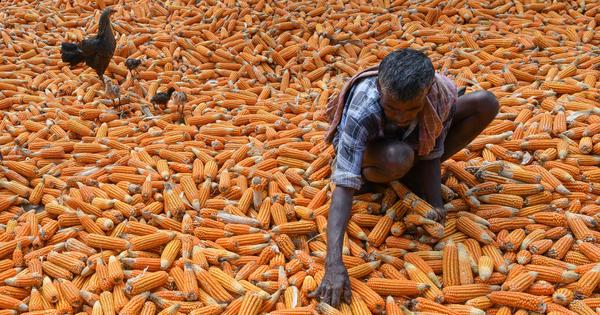
Maize is an important food used to feed chickens.
It is also increasingly being used to make ethanol for petrol.
Because more maize is going to ethanol, poultry farmers say they are paying much more for feed.
This makes it more expensive to produce eggs and chicken.
Farmers may raise prices or lose money.
Poor rainfall and less planting could reduce the next maize harvest.
India produced a record amount of maize last year, but demand is also growing quickly.
Some experts worry that planting more maize could reduce the land available for pulses and oilseeds.
The government says there is enough maize and that other ingredients can be used in poultry feed.

Maize prices have risen from roughly Rs 12-15 per kg in 2019 to Rs 25-32 currently, increasing poultry feed costs.
Maize’s contribution to India’s ethanol blending rose from 0% in 2021-22 to about 37% in 2025-26.
Poultry farmers say higher feed costs are squeezing profits and could push egg and chicken prices higher.
Despite record maize production of 55 million tonnes in 2025-26, competing demand from ethanol, poultry and livestock is creating supply pressure.
Experts warn that weak rainfall and reduced sowing could worsen shortages, while increased maize cultivation may displace pulses and oilseeds.
- Who
- Indian poultry farmers, ethanol producers, agriculture experts and the government are involved.
- What
- Rising maize demand for ethanol, combined with weak rainfall and lower sowing, is increasing pressure on poultry feed supplies and costs.
- Where
- The issue affects India, with poultry farmers quoted from Maharashtra and Haryana.
- When
- The pressure has increased between 2021-22 and 2025-26, with further risks expected after the deficient monsoon and current Kharif season.
- Why
- Maize demand has expanded as India pursues ethanol blending, while poultry, livestock and food markets also depend on the crop.
Poultry and Food-Security Concerns
Ethanol and Energy-Security Priorities
Use of maize
Poultry and Food-Security Concerns
Poultry farmers and agriculture experts say food and animal feed should take priority unless maize production rises substantially. They argue that diverting maize to ethanol is reducing availability and raising costs.
Ethanol and Energy-Security Priorities
The ethanol programme uses maize to reduce dependence on imported fossil fuels and support the E20 target. The government says maize supplies are sufficient for ethanol, poultry and other uses.
Impact on consumers
Poultry and Food-Security Concerns
Farmers warn that higher feed costs could increase egg and chicken prices, while some are already reporting losses because they cannot pass on the full increase.
Ethanol and Energy-Security Priorities
The government says poultry producers can use other domestic ingredients, including rice bran, broken rice, bajra and wheat offal, to maintain feed availability.
Land and import priorities
Poultry and Food-Security Concerns
R Ramakumar and other experts warn that expanding maize cultivation could displace pulses and oilseeds, potentially increasing imports and undermining broader food-security goals.
Ethanol and Energy-Security Priorities
Supporters of ethanol blending emphasize lower fossil-fuel imports and the reported foreign-exchange savings from achieving the E20 target.
Key facts
- Current maize price
- About Rs 25-28 per kg in the retail market; some farmers reported off-season prices reaching Rs 32 per kg.
- Maize ethanol share
- The contribution of maize rose from 0% of ethanol blending in 2021-22 to around 37% in 2025-26.
- 2025-26 maize production
- India recorded 55 million tonnes, 11 million tonnes more than the previous year.
- Maize used for ethanol
- Around 12.6 million tonnes of maize was required for approximately 4.8 billion litres of maize-based ethanol in 2025-26.
- Reported egg production cost
- One farmer said production costs rose from Rs 2.50-2.60 per egg in 2019 to Rs 4-4.50 currently.
- Estimated maize shortfall
- Industry estimates cited a potential shortfall of 17 million tonnes in 2025-26.
- E20 foreign-exchange claim
- The government said reaching the E20 target saved Rs 1.9 lakh crore in fossil-fuel import costs since 2014-15.
Quotes
Sujit Patil
Poultry farmer from Sangli, Maharashtra
“Back when maize was Rs 12 and soya was around Rs 25-26, the cost to produce a single egg was Rs 2.50- Rs 2.60. Now, it costs the farmer Rs 4- Rs 4.50. So the egg which you used to get in the market for Rs 5 now goes for Rs 8- Rs 10”
 scroll.in
“Maize supply simply could not catch up with the increasing demand which means that we have a maize shortage now and it is affecting everybody”
scroll.in
Sources
Related news

Livestock Feed Makers Face Maize Competition From Ethanol Producers
Gadkari Pushes Ethanol Beyond E20 to Boost Farmers, Cut Imports

ICRIER Urges Flexible Ethanol Policy While Retaining Long-Term E20 Goal

India’s E20 Challenge Shifts From Capacity to Economics
Sugar Prices, Ethanol Production and India’s Growing Water Pressure

How AI Could Transform India’s Agricultural Landscape

UN Warns Forest Restoration Window Is Narrowing Amid Climate Threats

India's Forest Governance Debate: Industry, Ecology, and Livelihoods

India Highlights Forest Restoration Achievements at FAO Forestry Conference
