3 hrs ago
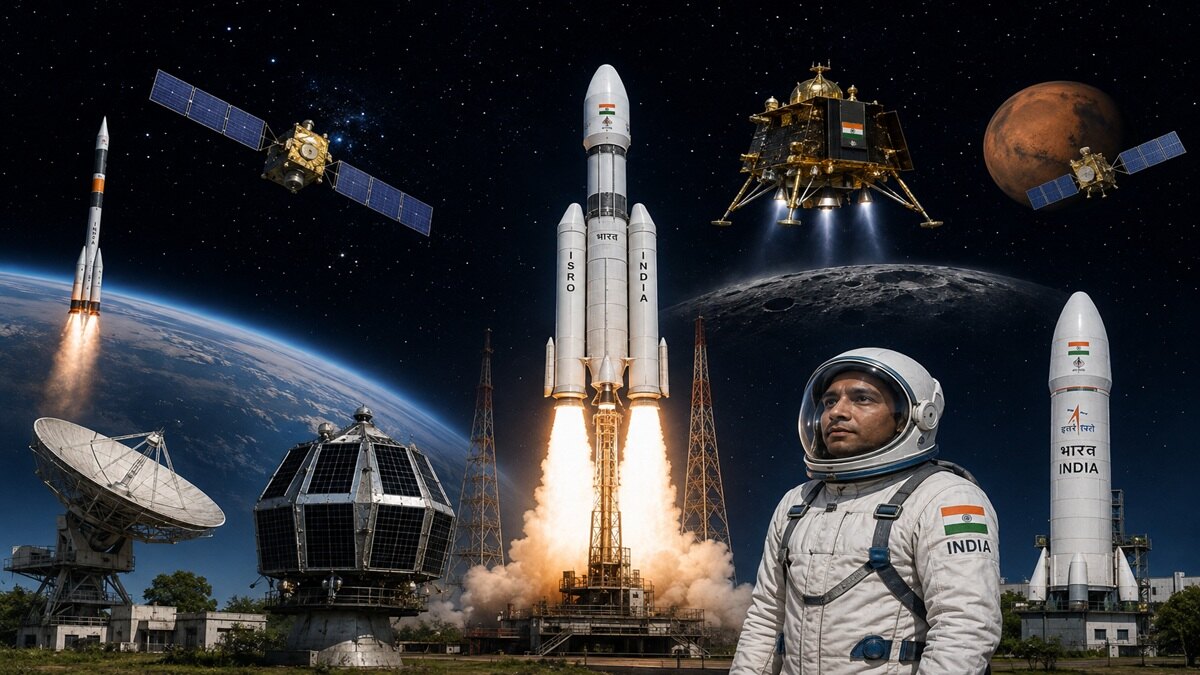
ISRO Rejects Privatisation Claims, Defends Future National Role
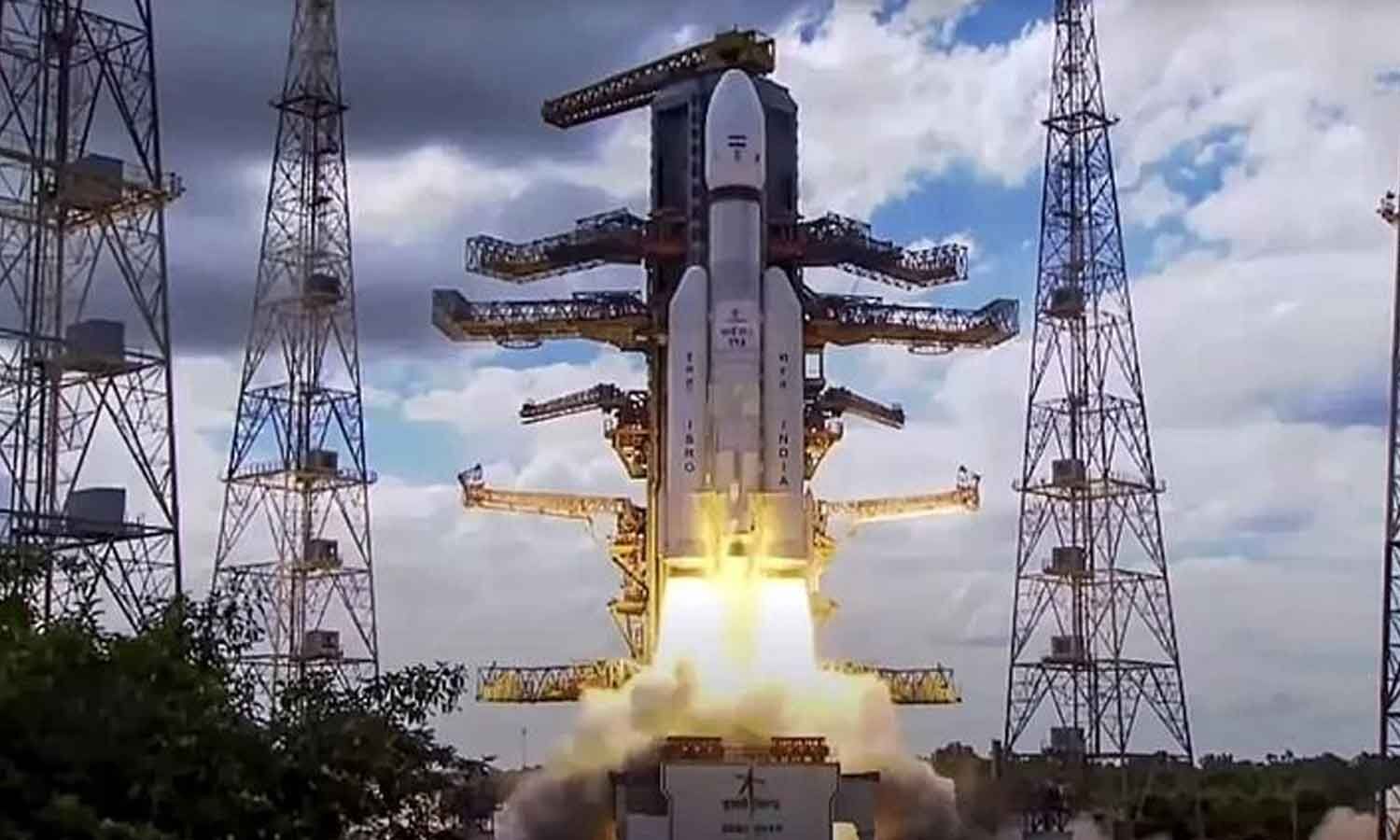
ISRO is India’s main organisation for space research and missions.
Some employee groups worried that more space work might be handed to private companies.
They sent a letter on September 4 asking ISRO’s leaders to explain the plans.
ISRO said it will not be privatised and will not become less important.
It said companies can make space systems that are already well developed.
This would let ISRO spend more time on difficult research and major missions.
These include a planned space station and missions to the Moon, Mars and Venus.
The employee groups said they support appropriate private participation but want clear rules to protect jobs and important national capabilities.

ISRO called reports that it would be privatised or weakened “completely baseless and incorrect.”
The clarification followed a September 4 letter from nine employee associations seeking details about transferring ISRO activities to private companies and public-sector undertakings.
ISRO said it will remain focused on advanced research, strategic missions, space science, exploration and critical technologies.
Industry and public-sector companies may increasingly produce mature launch vehicles, routine satellites and established space systems.
Employee associations said the proposed changes could affect jobs, in-house expertise, strategic autonomy and safety, while stressing they were not opposed to legitimate commercialisation.
- Who
- The Indian Space Research Organisation, its Chairman V Narayanan, nine employee associations and IN-SPACe Chairman Pawan Kumar Goenka.
- What
- ISRO rejected claims that it will be privatised or weakened while outlining a larger role for industry in producing mature space systems.
- Where
- New Delhi; the employee associations represented various ISRO centres and units.
- When
- The employee associations sent their representation on September 4, 2026; ISRO issued its clarification on September 6, 2026.
- Why
- The associations sought clarity over reports and statements about transferring ISRO’s manufacturing, operational and launch-vehicle activities to private entities and public-sector undertakings.
Employee Associations’ Concerns
ISRO and Space-Industry Reform Position
Meaning of transferring activities
Employee Associations’ Concerns
The associations said transferring launch-vehicle design, production, integration, testing, launches and routine satellite work could shrink ISRO’s in-house capabilities and weaken strategic control.
ISRO and Space-Industry Reform Position
ISRO said expanding industry’s role is an expansion of the national space ecosystem, not privatisation, and that transferring mature technologies does not mean withdrawing from the area.
Future launch-vehicle production
Employee Associations’ Concerns
The associations cited reports that private companies or public-sector undertakings could eventually make all launch vehicles, with transfers extending from SSLV to PSLV and LVM3.
ISRO and Space-Industry Reform Position
Pawan Kumar Goenka said industry should increasingly manufacture and scale mature launch vehicles, while ISRO focuses on advanced research, scientific and strategic missions, new technologies and complex infrastructure.
Effect on employees and national capability
Employee Associations’ Concerns
The associations warned that reduced in-house work could limit recruitment and promotions, leave some employees without meaningful work and dilute strategic autonomy, quality assurance and safety culture.
ISRO and Space-Industry Reform Position
ISRO said the changes would allow its scientific and technical workforce to concentrate on advanced research, complex missions and critical technologies.
Key facts
- ISRO’s position
- ISRO said it will neither be privatised nor have its importance diminished.
- Employee representation
- Nine associations submitted a joint representation dated September 4, 2026.
- Proposed industry role
- Industry or public-sector undertakings may increasingly produce mature launch vehicles, routine satellites and established systems.
- ISRO’s continuing focus
- Advanced research and development, national and strategic missions, space science, exploration and frontier capabilities.
- Planned missions
- The Bharat Antariksh Station, Chandrayaan-4, Mars Orbiter Mission-2 and the Venus Mission were cited.
- Institutional roles
- IN-SPACe will facilitate and authorise non-government participation, while NSIL will help commercialise mature capabilities.
- Associations’ concerns
- They cited possible effects on recruitment, promotions, employment security, strategic autonomy, quality assurance and safety culture.
Quotes

Indian Space Research Organisation (ISRO)
India’s national space agency
“The idea is to let industry increasingly manufacture and scale mature launch vehicles, satellites and other systems, while ISRO focuses on what it is uniquely placed to do: advanced R&D, scientific missions, strategic missions, new technologies, and infrastructure that is too complex for the private sector to develop on its own.”
 theprint.in
“Production of mature launch vehicles, routine satellites and other established systems can increasingly be undertaken by industry or PSUs through appropriate competitive processes.”
theprint.in
Sources

Related news

ISRO Rejects Privatisation Claims Amid Expanding Private Space Sector

ISRO Staff Seek Clarity Over Private Space-Sector Expansion

India targets 50 annual launches as ISRO, private sector expand

Congress Accuses Modi Government of Planning ISRO Privatization

Congress Raises Concerns Over ISRO’s Future Role

ISRO Shifts Launch Vehicle Manufacturing Toward India’s Private Sector
Why ISRO Chose GSLV Mk-II Over PSLV for EOS-05