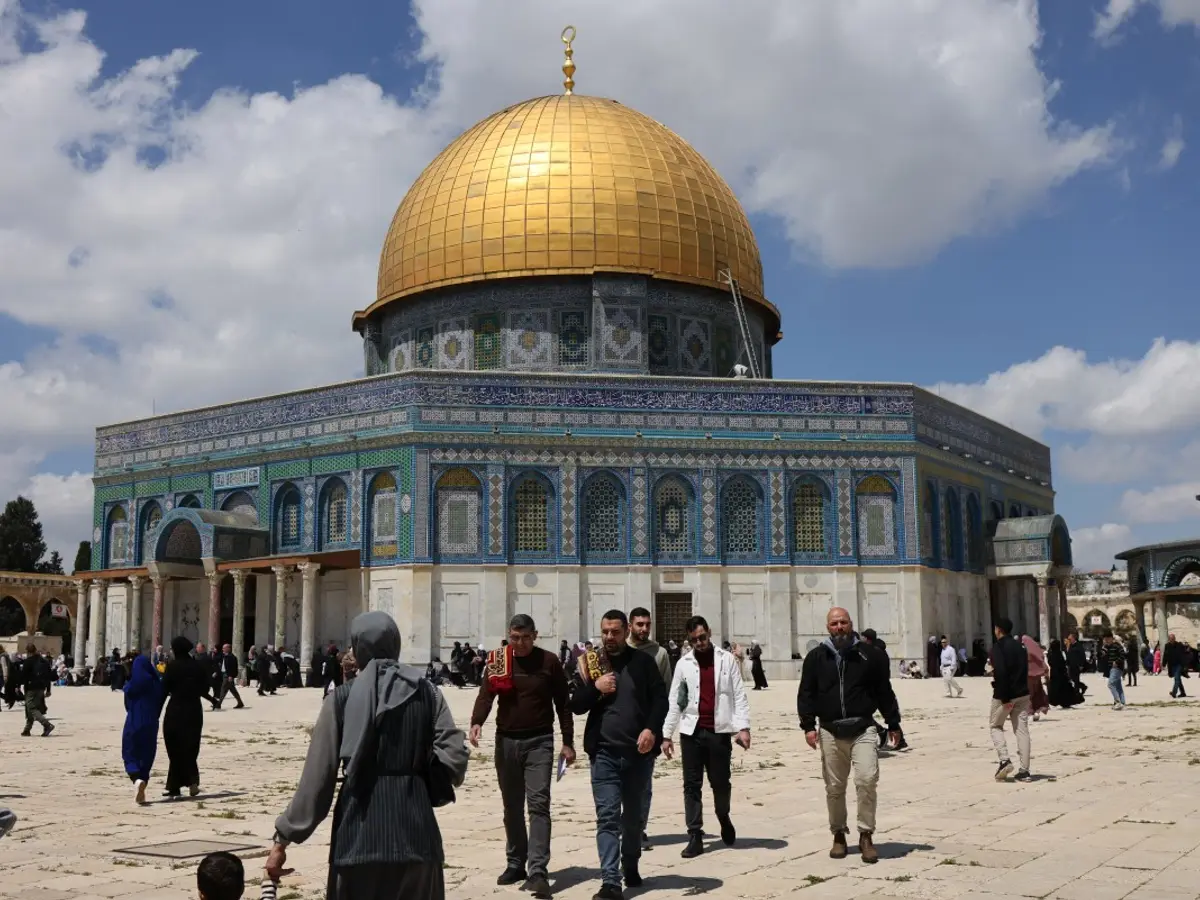
1 hr ago
Palestinian Envoy Criticizes US Visa Restrictions Ahead of UNGA 2026
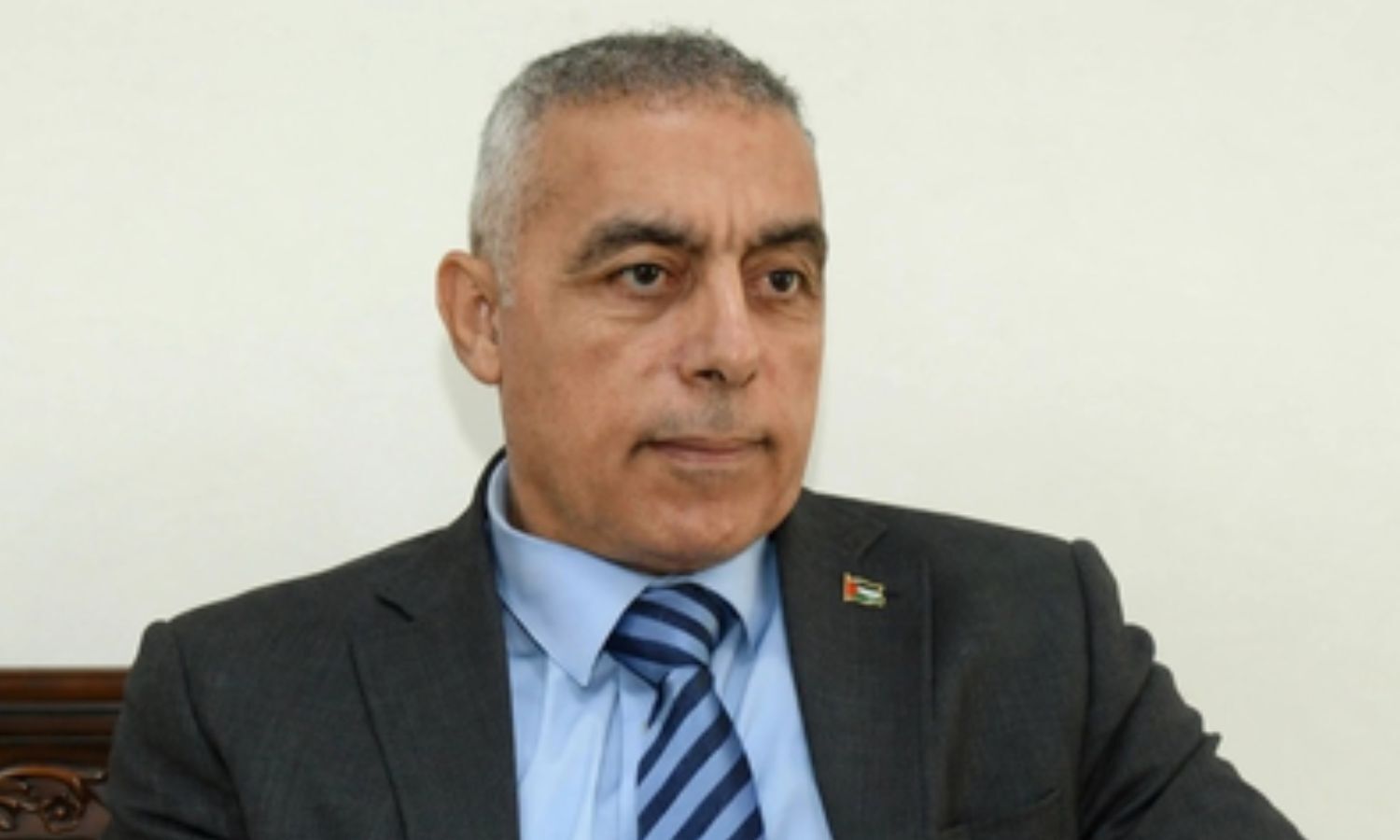
The United States has extended rules that stop some Palestinian officials from getting visas.
The rules affect members of the Palestine Liberation Organisation and officials from the Palestinian Authority.
The United States says these groups have not kept promises required by American laws.
Palestinian Ambassador Abdullah M Abu Shawesh strongly disagreed with the decision.
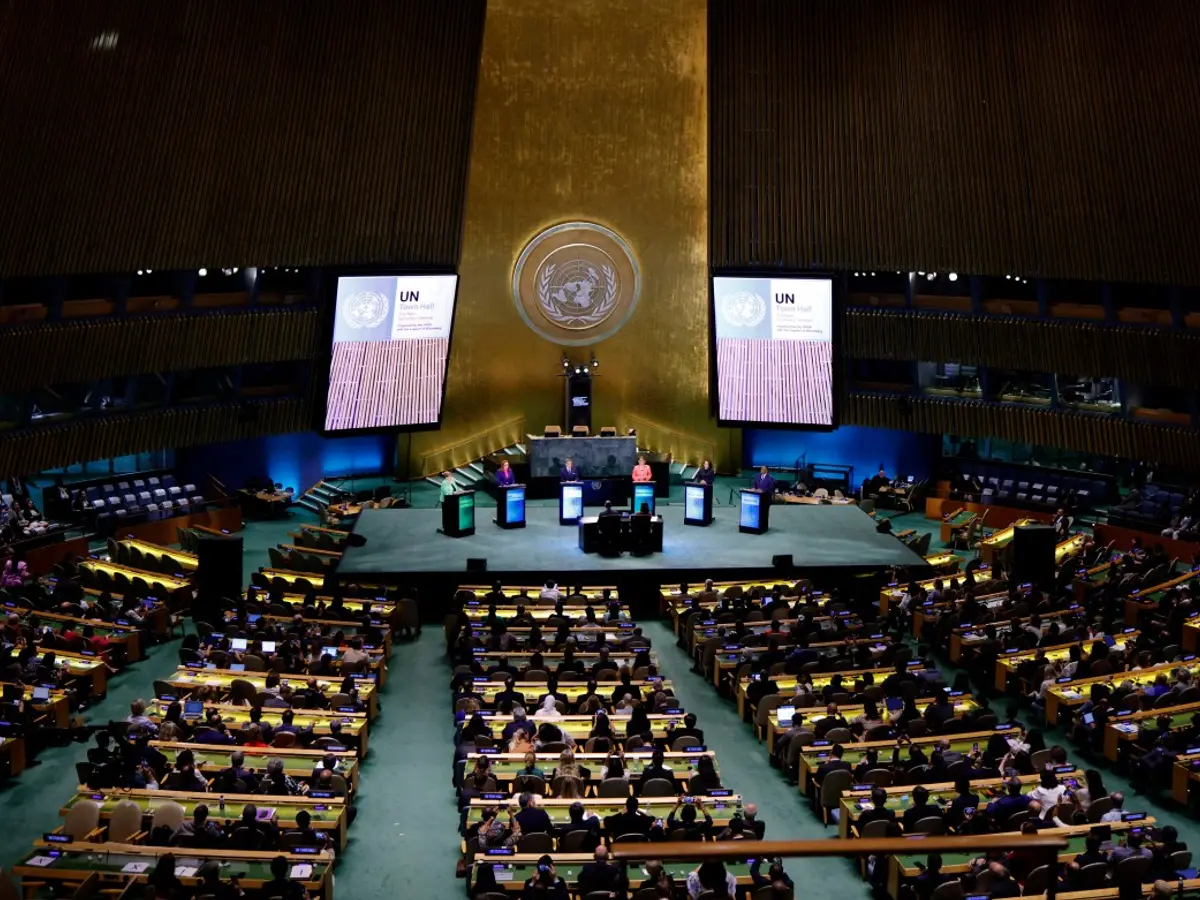
He said Palestinians are being prevented from attending and speaking at the 2026 United Nations General Assembly.
He also said Palestine and Gaza were still represented through other leaders and speakers.
Shawesh argued that international statements are not enough to end the situation.
He wants countries to take practical steps toward peace.

The United States extended visa restrictions on Palestine Liberation Organisation members and Palestinian Authority officials.
The US said the restrictions followed alleged failures to meet commitments under two US laws.
Palestinian Ambassador Abdullah M Abu Shawesh said the decision denied Palestinians their right to address the 2026 UN General Assembly.
Shawesh accused the United States of acting like the owner of the United Nations and criticized its response to the Israeli-Palestinian situation.
The envoy called for concrete international action to implement a peace process rather than continued diplomatic statements.
- Who
- The United States, the Palestine Liberation Organisation, the Palestinian Authority, and Palestinian Ambassador Abdullah M Abu Shawesh.
- What
- The United States extended visa restrictions on PLO members and PA officials, while the Palestinian envoy protested the decision.
- Where
- The dispute concerns access to the United Nations General Assembly in New York and the wider situation in Palestine and Gaza.
- When
- The statement was made on Thursday regarding the 2026 United Nations General Assembly; the envoy said Palestinians had been excluded for a second consecutive year.
- Why
- The United States cited alleged failures by the PLO and PA to meet commitments under US laws; Shawesh said the restrictions unfairly denied Palestinian participation and called for practical peace efforts.
Palestinian Position
United States Position
Visa restrictions
Palestinian Position
Abdullah M Abu Shawesh said the restrictions unfairly deny Palestinians their right to attend and address the United Nations General Assembly.
United States Position
The United States said the restrictions were extended because the PLO and PA had failed to meet their commitments under US law.
Path to peace
Palestinian Position
Shawesh said diplomatic hopes will remain theoretical unless the international community takes real steps to implement the peace process.
United States Position
The cited US State Department explanation focused on compliance with commitments under the PLO Commitments Compliance Act and the Middle East Peace Commitments Act.
Role of the United Nations
Palestinian Position
Shawesh accused the United States of behaving like the owner of the United Nations and criticized the organization's inability to protect its premises in Jerusalem.
United States Position
The United States' stated action was based on its visa restrictions and statutory commitments, rather than the envoy's broader criticism of the United Nations.
Key facts
- US decision
- Visa restrictions on PLO members and PA officials were extended.
- US legal basis
- The State Department cited Section 604(a)(1) of the Middle East Peace Commitments Act of 2002.
- US justification
- The State Department said the PLO and PA had again failed to meet commitments under the PLO Commitments Compliance Act of 1989 and the Middle East Peace Commitments Act of 2002.
- Palestinian response
- Ambassador Abdullah M Abu Shawesh said Palestinians were denied the right to attend and speak at the 2026 UNGA.
- Duration cited
- Shawesh said this was the second consecutive year Palestinians had been prevented from participating in this way.
- Envoy's appeal
- He urged the international community to move from statements to concrete implementation of the peace process.
Quotes
Abdullah M Abu Shawesh
Palestine’s Ambassador to India
“Yes, there is always hope for a diplomatic solution, for a peaceful solution but this hope will continue to be a theoretical unless we as an international community are united to take this hope to a practical level... So, we call the international community today to take real steps towards the implementation of the peace process and to do something very significant to move from the rhetoric lip service to practical level. Once the international community moves from the rhetoric, from the lip सेव”
 thehansindia.com
“It's the Israeli occupation what we are facing, devastating occupation since 1967 and also a genocidal war for approximately three years in row.”
thehansindia.com
Sources
Related news
US Again Denies Palestinian President Visa for UN Meeting
EU Urges United States to Reverse Palestinian Visa Denials
US Allows Iranian Leaders at UNGA, Denies Abbas Visa
World roundup: US denies Abbas visa as crises spread

India Links Rhino Recovery to Grassland Protection and Restoration