2 days ago
UPI Charges Raise Questions About Digital Payments’ Future
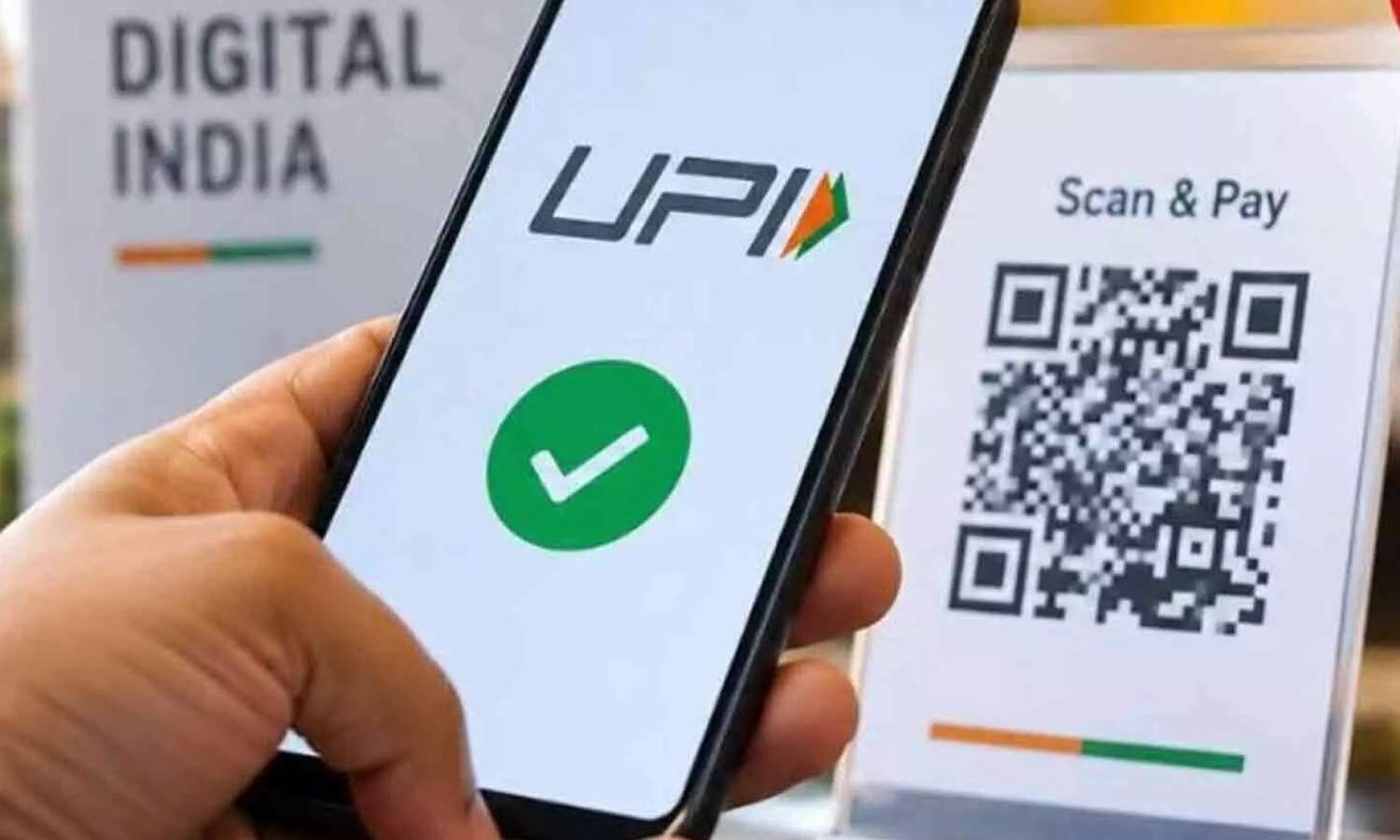
UPI lets people pay quickly with their phones instead of using cash.
A new proposal would allow a small fee on some payments made to businesses.
The fee would apply to eligible purchases above ₹2,000.
It would usually be paid by the business rather than directly by the customer.
Critics worry that businesses could raise prices to cover the fee.
They also worry that some businesses might ask customers to use cash instead.
The government previously said there was no proposal for such a fee, but a later policy proposed one.
Congress leaders have asked the government to cancel the plan.
The debate is about keeping digital payments convenient and affordable for everyone.

The National Payments Corporation of India has proposed a 0.4% MDR on eligible person-to-merchant UPI transactions above ₹2,000 from October 15.
The charge would be capped at ₹300 per transaction, with separate fee structures for some sectors.
Critics warn merchants may pass the cost to consumers through higher prices, service charges, or preferences for cash payments.
Mallikarjun Kharge and Rahul Gandhi have urged the government to withdraw the proposal.
The move has prompted questions about UPI’s affordability, its future policy direction, and possible competition from international card networks.
- Who
- The National Payments Corporation of India proposed the policy; Congress president Mallikarjun Kharge and Leader of Opposition Rahul Gandhi criticized it.
- What
- A proposed 0.4% Merchant Discount Rate would apply to eligible person-to-merchant UPI transactions above ₹2,000, capped at ₹300 per transaction.
- Where
- India’s Unified Payments Interface ecosystem.
- When
- The proposed charge is scheduled to begin on October 15; the article does not specify the year for that date, while it identifies June 11, 2025, as the date of an earlier Finance Ministry clarification.
- Why
- The policy’s stated rationale is not provided in the article; critics say it could create indirect costs for consumers and affect UPI’s affordability.
Critics’ Concerns
Government’s Position
Who ultimately pays
Critics’ Concerns
Although the MDR would technically be charged to merchants, businesses could pass the cost to consumers through higher prices or service fees, or encourage cash payments.
Government’s Position
The government may argue that the charge is not collected directly from consumers, because the MDR is imposed on merchants.
Future of UPI
Critics’ Concerns
Critics say introducing MDR could undermine the simplicity, affordability, and broad accessibility that helped UPI become an everyday payment system.
Government’s Position
The policy establishes a limited charge for eligible merchant transactions, while the article does not provide a broader official explanation of the government’s long-term rationale.
International competition
Critics’ Concerns
The article raises concerns that changing UPI’s zero-MDR model could give Visa and Mastercard greater room to compete in India.
Government’s Position
The article says any connection between the policy and international commercial pressure would require evidence and official clarification.
Key facts
- Proposed MDR
- 0.4% on eligible person-to-merchant UPI transactions above ₹2,000.
- Transaction cap
- The proposed charge would be capped at ₹300 per transaction.
- Proposed start date
- October 15.
- Earlier government clarification
- The Union Finance Ministry said on June 11, 2025, that there was no proposal for an MDR on UPI transactions.
- Example cited
- A 0.4% MDR on a ₹10,000 payment would amount to ₹40 for the merchant.
- Political response
- Mallikarjun Kharge and Rahul Gandhi called for the proposal to be withdrawn.
- Potentially affected spending
- The article identifies electronics, furniture, travel, education, healthcare, and online purchases as areas where payments may exceed ₹2,000.
Sources
Related news

India’s UPI Fee Reversal Sparks Questions Over Earlier Denial
Congress Warns UPI Fees Loom After Government Notification

Congress Calls New UPI Merchant Fees ‘Modi Tax’
Proposed UPI MDR Draws Criticism as Government Details Limited Charges
UPI Merchant Fee Sparks Opposition Attack, Government Rejects Foreign Pressure

India Adds UPI Merchant Fees Above ₹2,000
India Defend Asian Games Women’s Cricket Gold Against Sri Lanka
Salim Dola Arrest Pushes Haji Salim Cartel Toward Smaller Shipments

India and Norway Renew Green Environmental Cooperation Commitment

GST 2.0 Quadrupled Indian Auto Retail Growth, Industry Says

Rahul Gandhi Wins Youth Applause, But Congress Faces Reality Check