

3 days ago
Nepal Begins Mass Burials as Families Search for Flood Victims
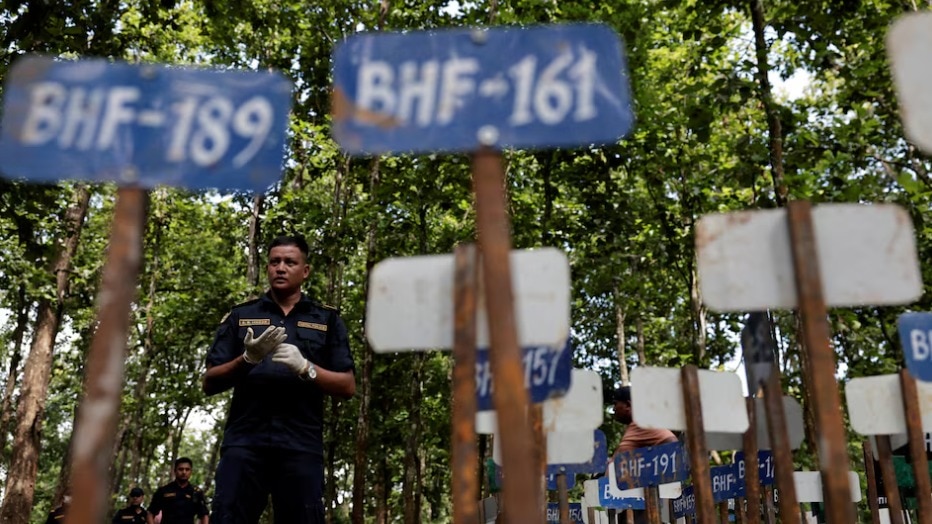
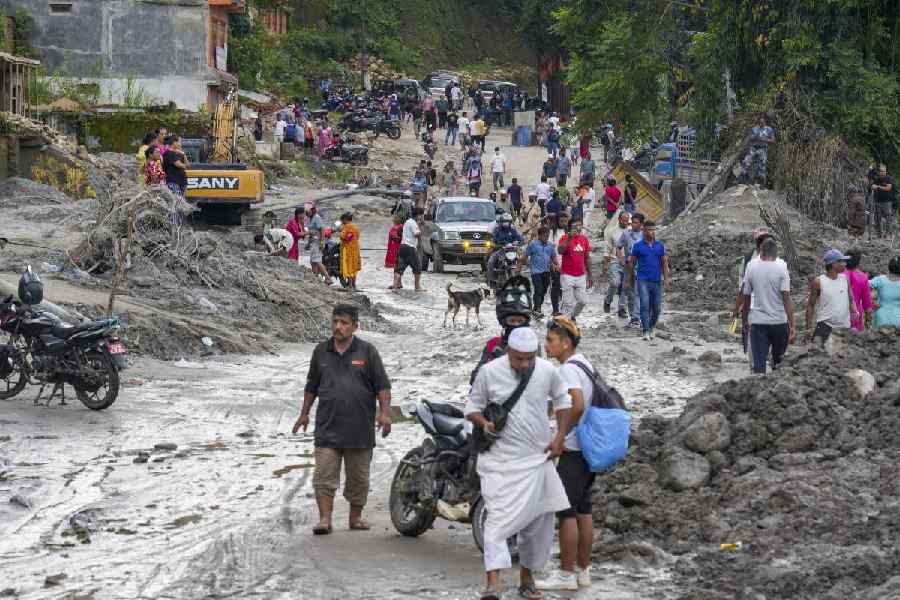
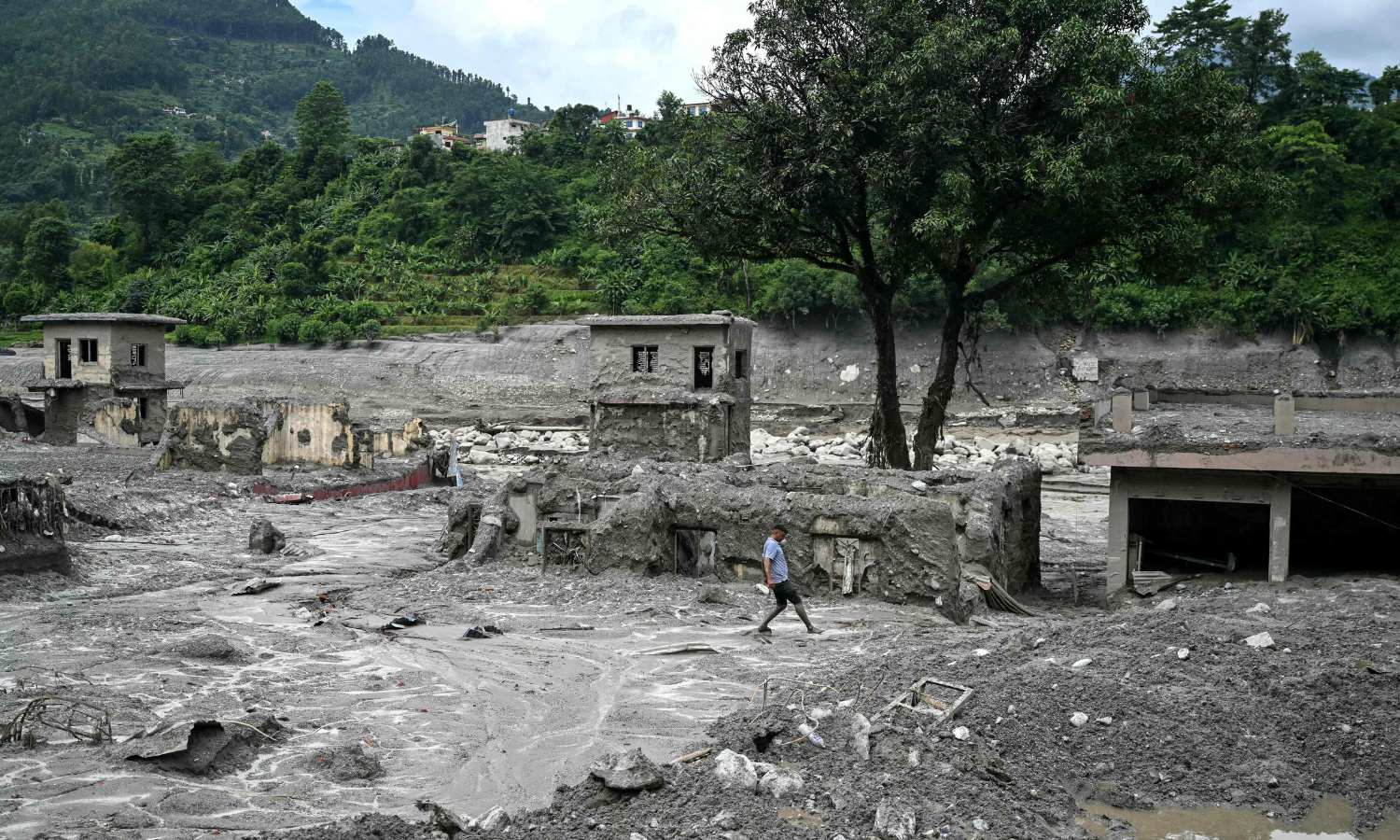
A powerful flood swept through parts of Nepal after a glacial collapse.
Many people died, and thousands are still missing.
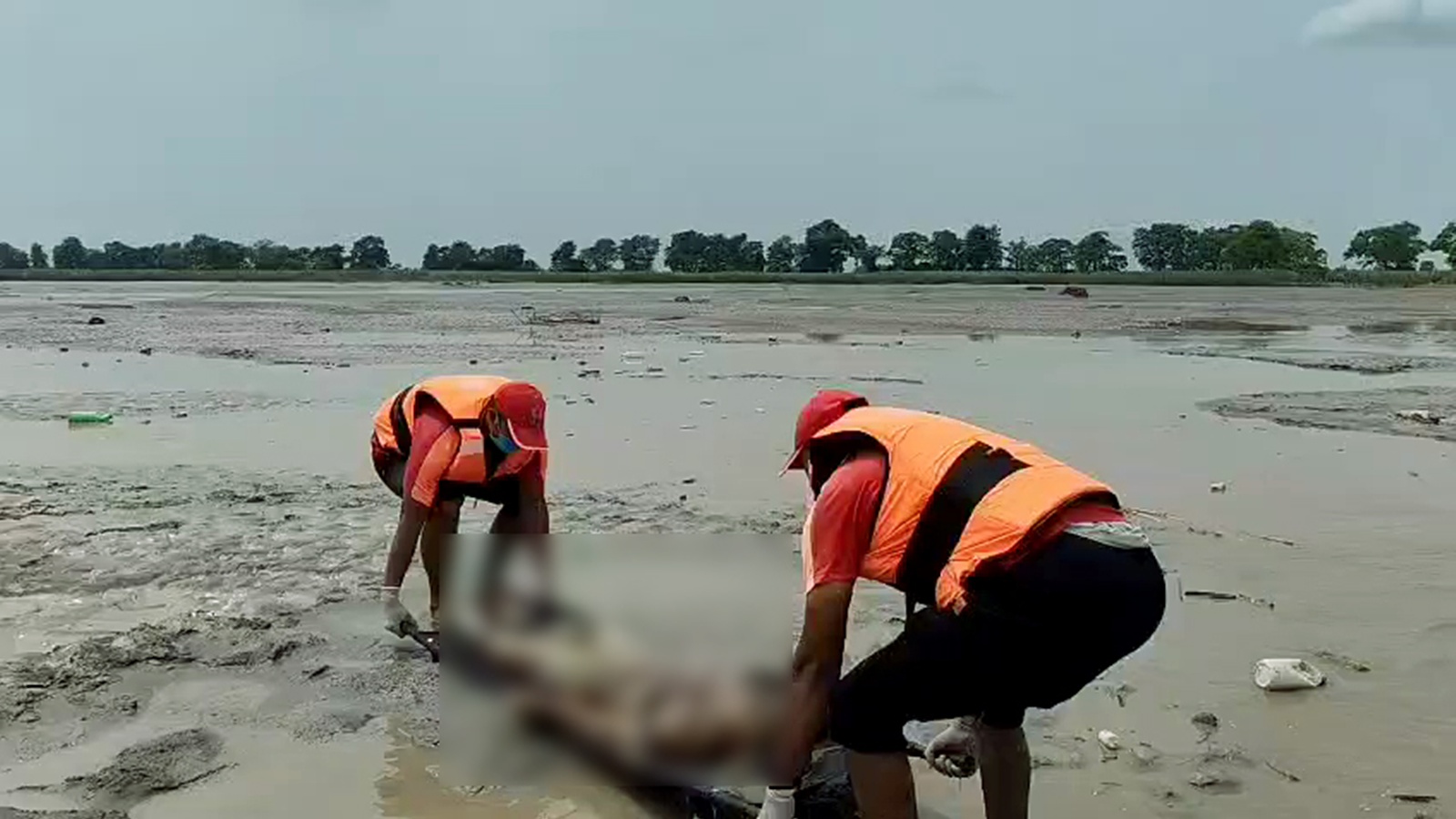
Floodwater and mud damaged many bodies so they could not be recognized.
Hospitals and temporary morgues ran out of room.
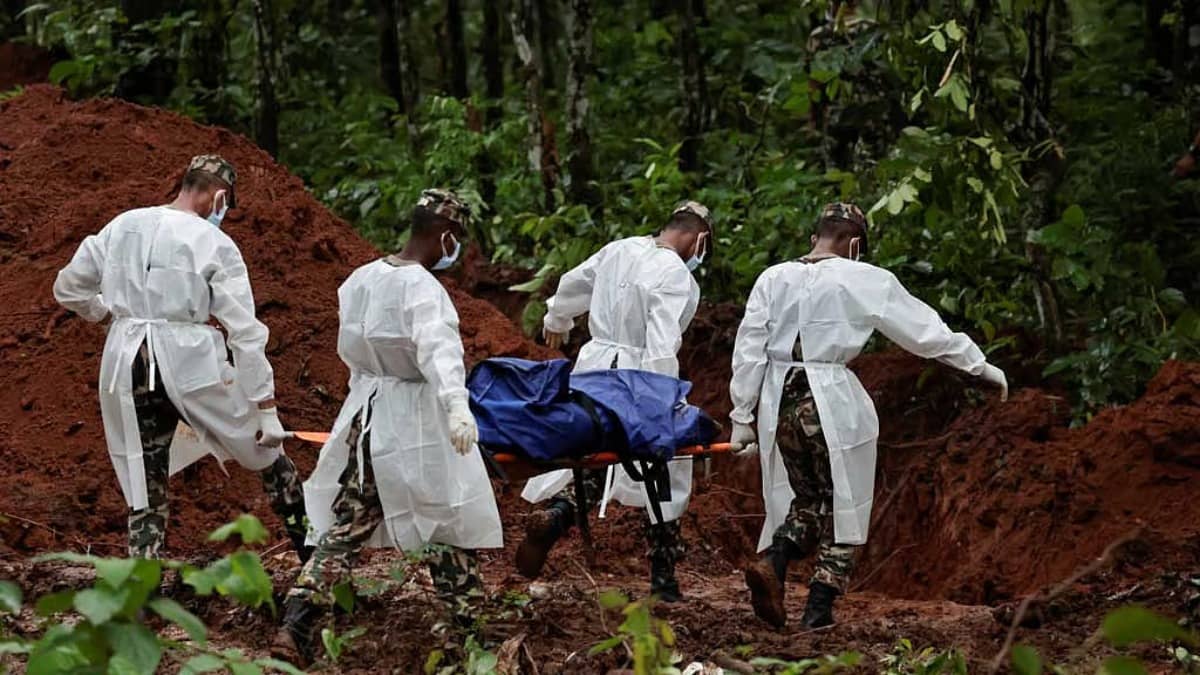
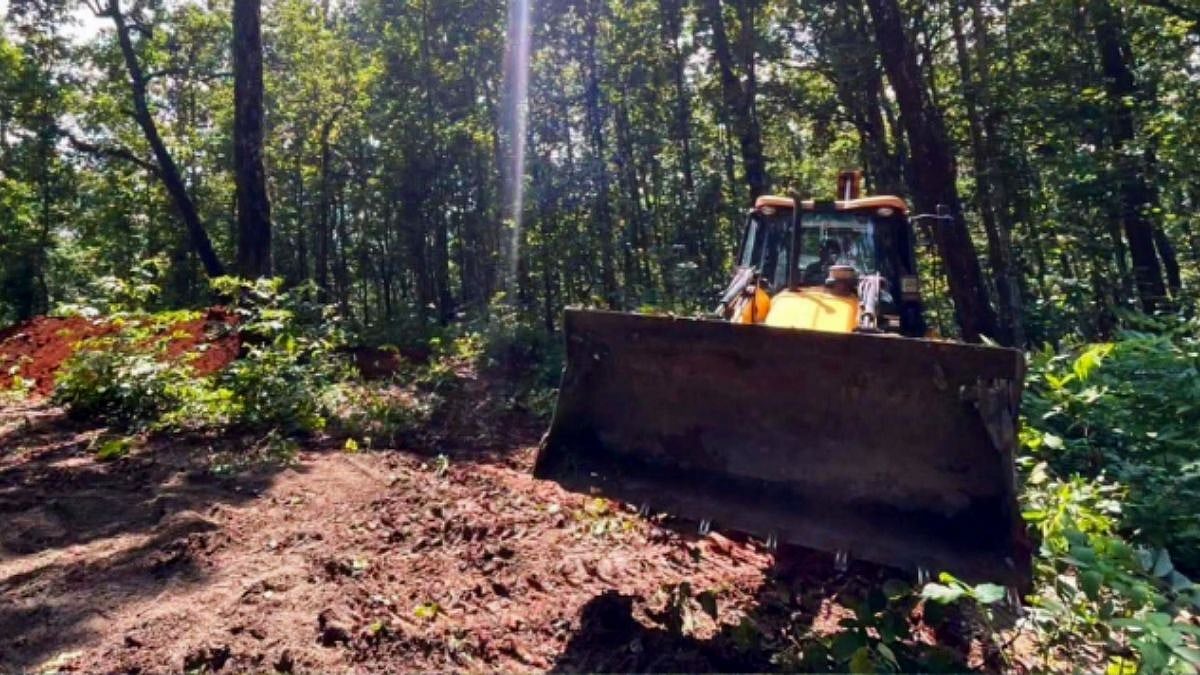
Nepal began burying unidentified bodies in a forest in Chitwan.
Before burial, workers collected DNA and took photographs and fingerprints.
They also recorded exactly where each body was buried.
Experts from India and China are helping families identify their missing relatives.

Authorities buried 96 unidentified bodies in Chitwan’s Devghat forest and planned more than 100 additional burials.
The floods, linked to a glacial collapse, killed about 750 people in one account, while another reported 788 deaths.
More than 3,000 people were initially reported missing, though a later official figure put the number above 2,500.
Officials collected DNA, photographs, fingerprints and other records while carefully marking and logging each burial site.
India sent forensic experts to help identify remains, while Nepal also coordinated with a team from China.
- Who
- Nepalese authorities, rescue workers, families searching for relatives, and forensic teams from India and China.
- What
- Nepal began burying unidentified flood victims while continuing recovery and identification efforts.
- Where
- The burials took place in Chitwan’s Devghat forest; the disaster affected valleys near Nepal’s border with China.
- When
- The burials began on Saturday, August 30, 2024, with more planned as recovery continued.
- Why
- Rapid decomposition and overwhelmed morgues and temporary storage facilities made continued preservation difficult and raised public-health concerns.
Key facts
- Initial burials
- Ninety-six unidentified bodies were buried in Devghat forest, with more than 100 additional burials planned.
- Death toll
- Reports differed: one account cited about 750 deaths, while another said the toll had reached 788.
- Missing people
- Earlier reports said more than 3,000 were missing; a later official account cited more than 2,500.
- Identification measures
- Authorities collected DNA samples, photographs, fingerprints, physical descriptions and autopsy records.
- Burial tracking
- Sites received markers and precise location records so remains could potentially be located and exhumed later.
- Morgue capacity
- About 125 bodies were held at one Bharatpur Hospital facility designed for 50.
- International assistance
- India sent forensic experts for DNA analysis, and Nepal was also in contact with a Chinese team.
Quotes
Inspector Anil Thapa
Inspector overseeing a facility handling recovered bodies
“We were left with no other option and had to take this step. Our concern was the risk to public health posed by the rapid decomposition of the bodies”
 theprint.in
“Once I come here to work, I am unable to think about food. Forget eating, I don’t even feel like drinking water.”
theprint.in
Sources
Related news

Nepal Temporarily Buries Unidentified Flood Victims for Later Identification
Nepal Begins Mass Burials as Flood Death Toll Reaches 903
Nepal Buries Unidentified Flood Victims, Preserving DNA for Identification

India Sends Forensic Team to Identify Nepal Flood Victims
Nepal Begins Temporary Burials as Flood Toll Reaches 752
Nepal Flood Morgues Overflow as Families Seek Missing Relatives

Nepal Thanks India as Glacial Disaster Rescue Efforts Continue
Nepal Warns of Heavy Rain After Deadly Floods
Nepal Flood Exposes Delayed Alerts and Cross-Border Warning Gaps
India to Rebuild Nepal School After Principal Saves 1,600
Maharashtra Mountaineers Join Search for Missing Nepal Trekkers
