3 weeks ago
Karti Chidambaram warns seat rise could widen North-South gap

India's Parliament has a big room called the Lok Sabha where leaders from all over the country make decisions.
Each state sends a certain number of representatives based on its voting areas.
The government is planning to redraw those areas using population numbers.
Very big states would then get many more representatives than smaller ones.
Leaders in Tamil Nadu worry this would make their voices smaller in Parliament.
A Congress leader named Karti Chidambaram said simply adding more seats everywhere would not fix that.
He explained that bigger states would gain many more extra seats, widening the gap in numbers.
Right now Tamil Nadu and Puducherry have 40 seats while Uttar Pradesh has 80; if both grew by half, the gap would grow from 40 to 60.
Tamil Nadu's Chief Minister met with MPs to plan how to protect the state's voice.
Southern states believe they should not be punished for doing a good job at controlling population growth.

Congress MP Karti P. Chidambaram cautioned against increasing the strength of the Lok Sabha as part of the proposed delimitation exercise.
He argued that a proportional expansion of seats could widen the numerical gap in parliamentary representation between Tamil Nadu and populous states such as Uttar Pradesh.
Tamil Nadu and Puducherry together have 40 Lok Sabha constituencies, compared with Uttar Pradesh's 80; a uniform 50% increase would give them about 60 versus 120 seats.
While the proportion between the regions would remain unchanged, the numerical difference would rise from 40 seats to 60 seats.
Tamil Nadu Chief Minister C. Joseph Vijay convened a meeting of MPs in Chennai on Saturday to formulate a common position protecting the State's parliamentary representation.
- Who
- Congress MP Karti P. Chidambaram (Sivaganga) and Tamil Nadu Chief Minister C. Joseph Vijay
- What
- Chidambaram cautioned that increasing Lok Sabha seats under delimitation could widen the numerical gap in representation between Tamil Nadu and populous states like Uttar Pradesh
- Where
- Sivaganga, Tamil Nadu (remarks); Chennai (MPs' meeting)
- When
- Sunday, a day after Chief Minister C. Joseph Vijay convened a meeting of MPs on Saturday
- Why
- A population-based seat redistribution could reduce Tamil Nadu's relative influence in Parliament, and absolute numerical gaps matter in a parliamentary democracy
Southern States' Position
Population-Based Delimitation Proposal
Basis for seat allocation
Southern States' Position
Tamil Nadu and other southern states argue that their success in controlling population growth should be taken into account, and that population-based redistribution would reduce their relative influence in Parliament and effectively penalise them.
Population-Based Delimitation Proposal
The proposed delimitation exercise would redistribute Lok Sabha seats primarily on the basis of population, which would substantially increase the parliamentary strength of more populous northern states such as Uttar Pradesh.
Expanding the Lok Sabha
Southern States' Position
Karti Chidambaram argues that increasing the Lok Sabha's strength proportionally would not safeguard Tamil Nadu's interests, since the numerical gap with populous states would widen and absolute numbers matter in parliamentary decisions.
Population-Based Delimitation Proposal
The expectation behind a proportional expansion is that preserving the existing ratio of seats between regions would adequately protect Tamil Nadu's parliamentary representation.
Key facts
- Speaker
- Karti P. Chidambaram, Congress MP from Sivaganga
- Current Lok Sabha strength
- 543 members
- Tamil Nadu & Puducherry seats
- 40 Lok Sabha constituencies
- Uttar Pradesh seats
- 80 Lok Sabha constituencies
- Projection after 50% uniform increase
- About 60 seats (Tamil Nadu & Puducherry) vs 120 seats (Uttar Pradesh)
- Resulting numerical gap
- Widens from 40 seats to 60 seats
- CM's meeting
- C. Joseph Vijay convened MPs in Chennai on Saturday to discuss delimitation implications
Quotes
Karti P. Chidambaram
Congress Member of Parliament from Sivaganga
“If the number of constituencies were increased uniformly by 50 per cent, Tamil Nadu and Puducherry would have around 60 seats while Uttar Pradesh would rise to 120, he said.”
 thehansindia.com
Sources
Related news
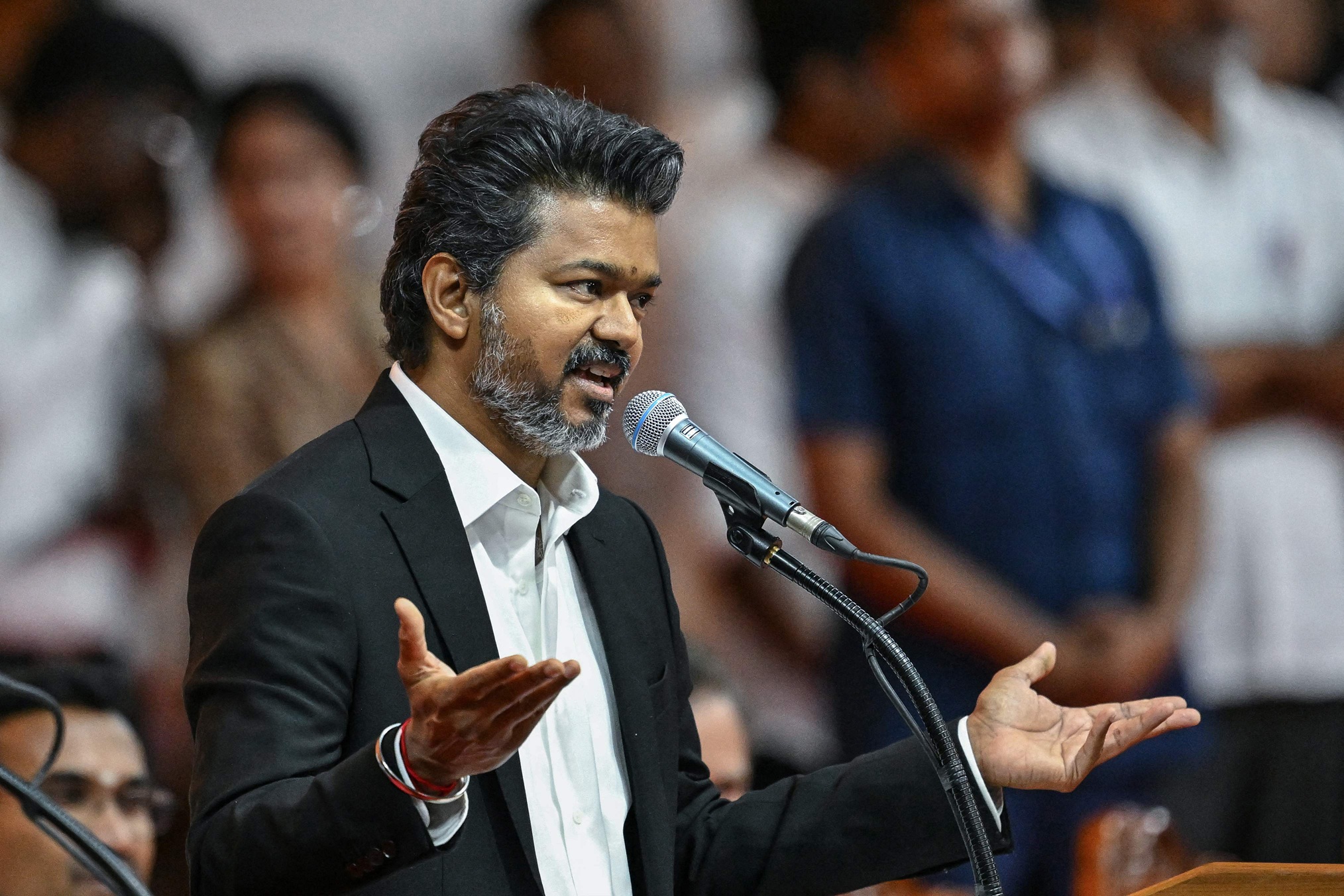
Tamil Nadu Seeks Permanent Lok Sabha Freeze; Opposition Boycotts Meet

AIADMK, BJP oppose CM Vijay's delimitation resolution in Assembly

Tamil Nadu CM Vijay seeks permanent 543 Lok Sabha strength
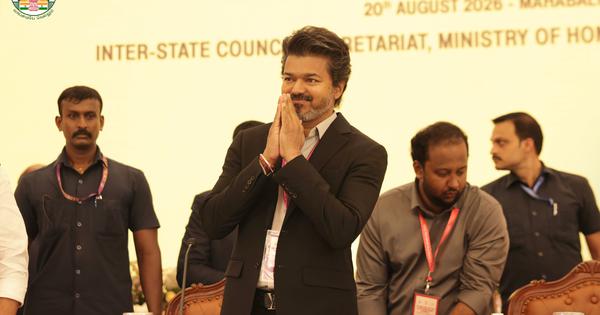
Tamil Nadu Seeks Assurance Over Parliamentary Seats After Delimitation

DMK Reiterates Delimitation Opposition; Tamil Nadu CM Calls MPs
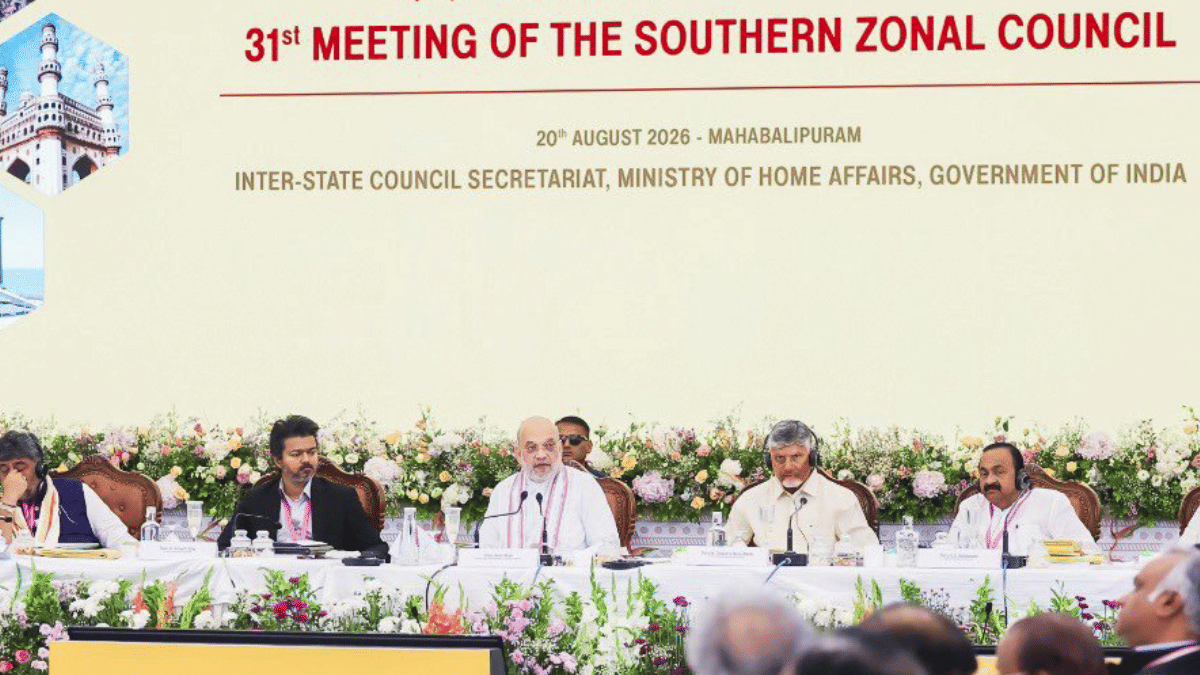
Tamil Nadu DMK, TVK Clash Over Vijay’s Delimitation Stand

Gold Loans Quadruple as India’s Untapped Gold Wealth Fuels Growth

Mirzapur: The Movie Sells Over One Lakh Advance Tickets
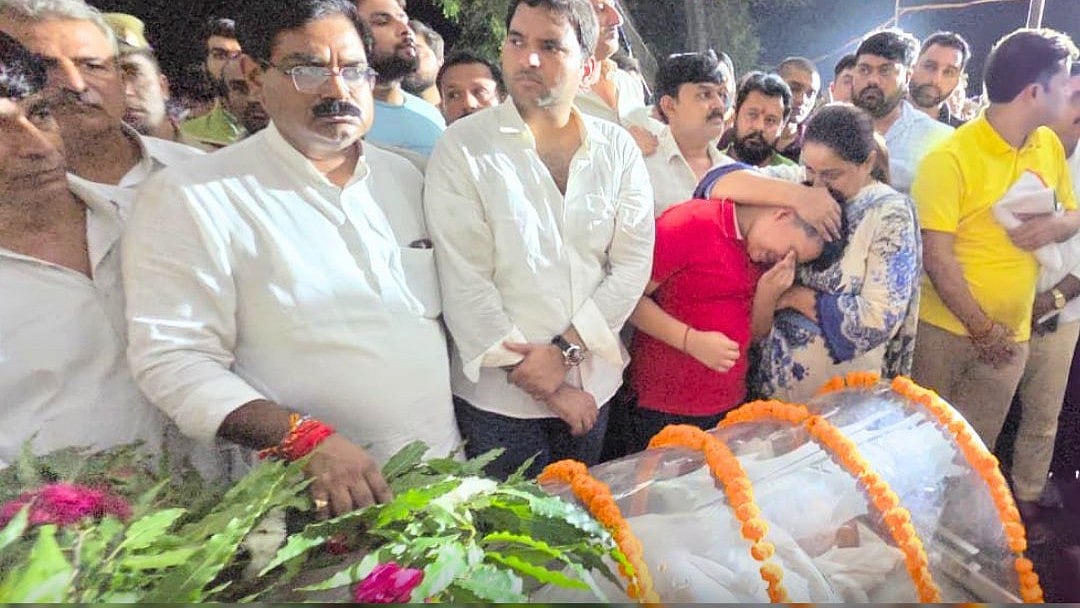
BJP MLA Anil Sharma Dies After Prolonged Illness, Yogi Mourns
UP Minister Visits Ankit Baliyan Family, Promises Strict Action
UP Launches Outsource Corporation With Expanded Worker Protections