6 days ago
Netanyahu Aides Weigh Power-Sharing Plan for Election Deadlock

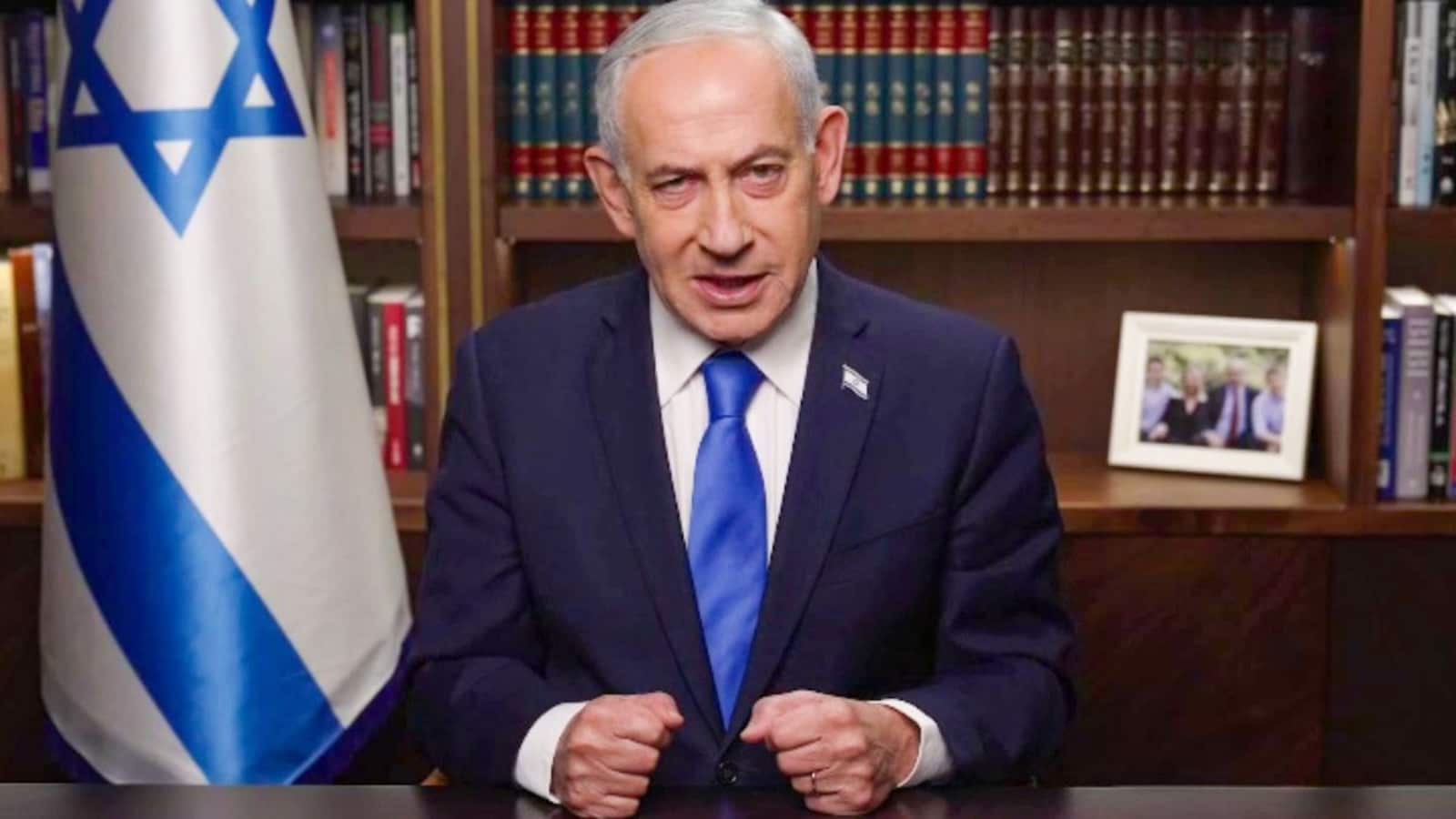
Some advisers to Netanyahu are thinking about a deal to share power if an Israeli election ends without a clear winner.
Under the idea, one leader could govern first and another could become president later.
The advisers are trying to figure out what would persuade Eisenkot to accept the plan.
Eisenkot may worry that the promised change in leadership would not happen.
That worry comes from an earlier deal between Netanyahu and Benny Gantz.
Their 2020 rotation agreement collapsed before power could switch from one leader to the other.
The report does not say that Eisenkot has accepted the new proposal.
It says Likud strategists are still considering how to make such a deal possible.

Likud strategists are reportedly considering a power-sharing arrangement if Israel’s election produces a deadlock.
The proposal could involve sharing power first and a later transfer of the presidency.
Strategists are examining what incentives might persuade Eisenkot to join the arrangement.
A key concern is whether Eisenkot would believe the agreement would be honored.
That concern reflects the collapse of Netanyahu’s 2020 rotation agreement with Benny Gantz before power changed hands.
- Who
- Likud strategists, Netanyahu, and Eisenkot are central to the reported discussions; Benny Gantz is relevant because of the earlier agreement.
- What
- A possible power-sharing arrangement is being considered for an election deadlock, with the presidency potentially changing hands later.
- Where
- Israel.
- When
- The report refers to a current proposal and cites the collapse of Netanyahu’s rotation agreement with Benny Gantz in 2020.
- Why
- Strategists are seeking a way to form a government after a deadlocked election and to address concerns that a promised transfer of power would be honored.
Power-Sharing Proponents
Trust Skeptics
Whether to pursue a rotation deal
Power-Sharing Proponents
Likud strategists are reportedly weighing a power-sharing arrangement as a possible solution to an election deadlock.
Trust Skeptics
The arrangement could face resistance because a previous rotation agreement collapsed before the promised transfer of power.
Confidence in the agreement
Power-Sharing Proponents
Strategists are considering incentives that might persuade Eisenkot to participate.
Trust Skeptics
Eisenkot would need reason to believe the deal would be honored, given the fallout from the 2020 agreement.
Key facts
- Proposal
- A possible power-sharing arrangement if Israel’s election deadlocks.
- Potential sequence
- One leader would govern first, with the presidency changing hands later.
- Key figure
- Eisenkot is being considered as someone the arrangement would need to persuade.
- Main challenge
- Convincing Eisenkot that the agreement would actually be honored.
- Earlier precedent
- Netanyahu’s rotation agreement with Benny Gantz in 2020 collapsed before power could change hands.
Sources
Related news
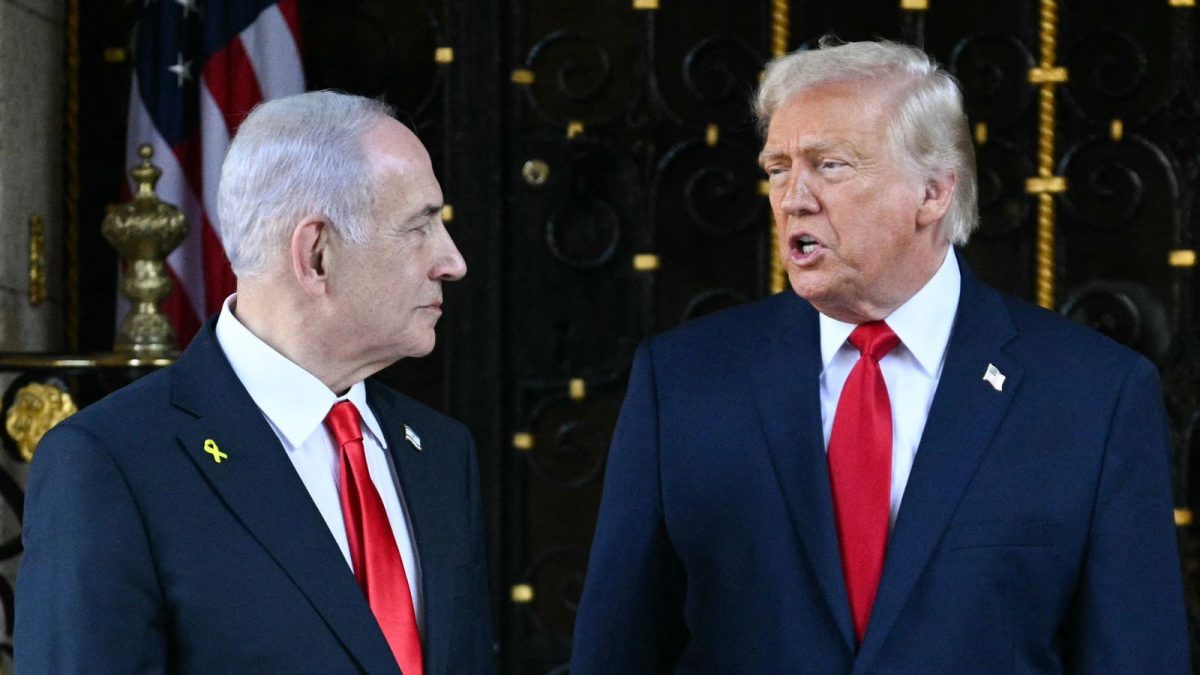
Trump Avoids Endorsing Netanyahu Four Times as Israel Election Nears

Kushner's Gaza talks with Israel, Hamas end without breakthrough

Hamas Official Urges US to Pressure Netanyahu on Gaza Deal
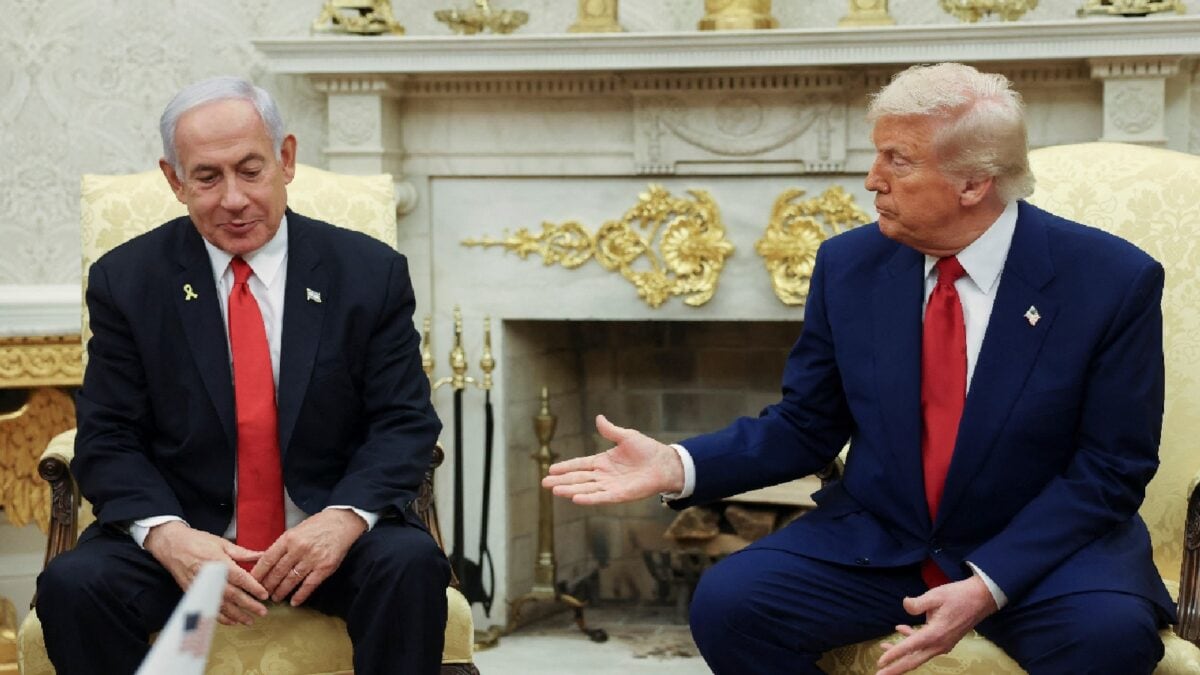
Netanyahu rejects Trump's 15-point Gaza plan, demands full Hamas disarmament
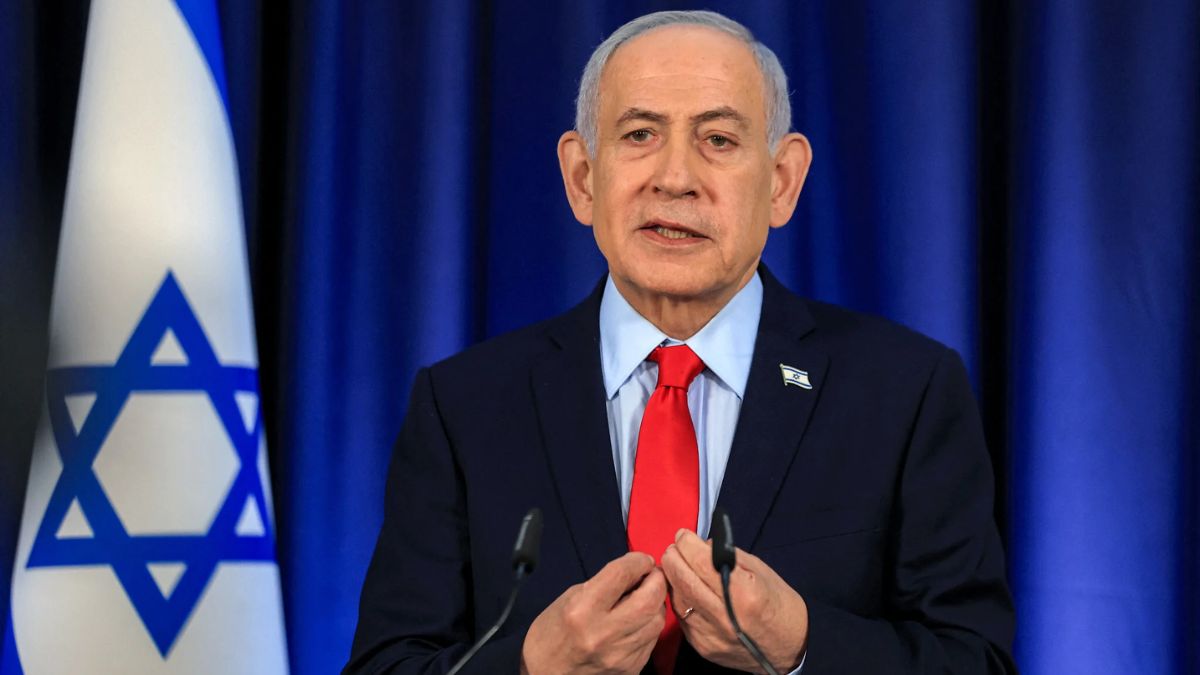
Israel rejects Trump's 15-point Gaza plan until Hamas disarms

Kushner’s Gaza Talks End Without Breakthrough Between Israel and Hamas

Netanyahu Targets Erdoğan and Mamdani in Israel Election Campaign

Gadi Eisenkot’s Yashar Leads Likud in Latest Israel Poll
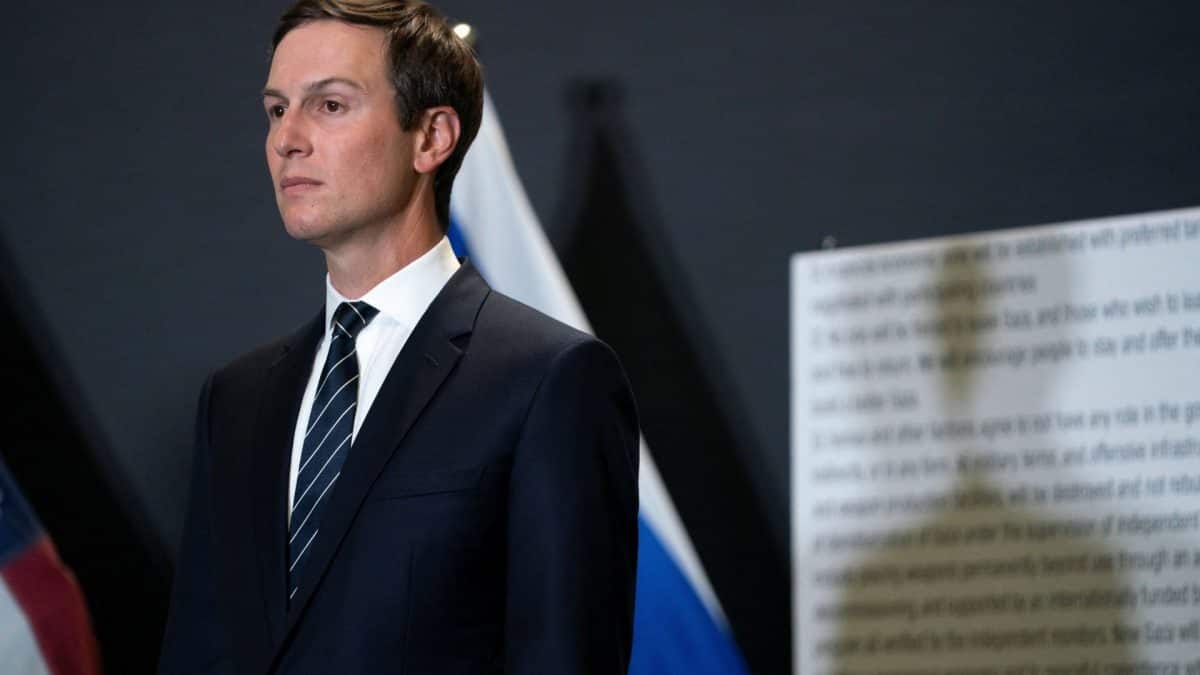
Kushner meets Hamas in Egypt amid Gaza plan opposition

Israel ties Lebanon pullout to Hezbollah disarmament after US rebuke