3 weeks ago
Iran-US Conflict Creates New Strategic Challenges for China, Report Says

Two big countries, the United States and Iran, had a fight that started on February 28.
They signed a ceasefire, which means they agreed to stop fighting, and started talking to each other again.
Many people thought China was the big winner because it did not join the fight and got along with both sides.
But a magazine called The Diplomat wrote a report saying things are not that simple.
The report says China actually has some new hard problems to solve.
One problem is the Strait of Hormuz, a very important waterway where many ships carry oil.
Iran wants more control over that waterway and might charge ships a fee to pass through.
China needs that oil, so it must be careful about what it says.
Also, a big meeting between China and Arab countries was postponed.
So even though China seems stronger, it has tricky choices to make in the Middle East.

A report by The Diplomat argues the Iran-US conflict has created new diplomatic and strategic challenges for China, not just benefits.
The Iran-US conflict broke out on February 28, followed by a formal ceasefire agreement and follow-on negotiations between Washington and Tehran.
The report says the US retains a pivotal role in the region's security architecture despite short-term political and reputational costs.
The China-Arab States Summit, originally planned for June, was postponed indefinitely as regional tensions escalated.
China faces a difficult policy dilemma over the Strait of Hormuz, where Iran may tighten control and introduce formal transit or passage fees.
- Who
- China, the United States, and Iran, as analyzed in a report by The Diplomat
- What
- A report argues that the Iran-US conflict has created new strategic and diplomatic challenges for China despite perceptions of Chinese gains
- Where
- The Middle East, with focus on the Strait of Hormuz and the Persian Gulf
- When
- Following the outbreak of the Iran-US conflict on February 28
- Why
- Because China, as the world's largest energy importer and a leading maritime trading power, depends heavily on stable sea lanes such as the Strait of Hormuz and faces complex policy choices as regional tensions evolve
Prevailing View
The Diplomat Report
Outcome of the Iran-US conflict
Prevailing View
China was the primary beneficiary of the crisis, securing significant diplomatic, economic, and geopolitical gains, while the US suffered a major strategic setback.
The Diplomat Report
The situation cannot be simply characterised as American failure and Chinese success; China faces growing challenges while the US may discover new strategic opportunities.
Strait of Hormuz control
Prevailing View
Iran has considerable domestic political backing to tighten control over the Strait of Hormuz and introduce formal transit or passage fees as a long-term policy linked to its strategic and security interests.
The Diplomat Report
China, as the world's largest energy importer and a leading maritime trading power, depends heavily on the stability and security of this critical sea lane and faces a difficult policy dilemma.
Key facts
- Report source
- The Diplomat (online magazine)
- Conflict outbreak date
- February 28
- Ceasefire status
- Formal ceasefire signed by Washington and Tehran; follow-on negotiations launched
- China-Arab States Summit
- Postponed indefinitely; originally planned for June
- China's role
- World's largest energy importer, major shipbuilding nation, leading maritime trading power
- Key challenge for China
- Strait of Hormuz stability and Iran's potential transit or passage fees
- US position
- Retains pivotal role in regional security architecture with opportunities in security cooperation, technology, energy exports, and a possible role in Iran's reconstruction
Quotes
Unnamed report author
Author of the report in The Diplomat
“"Following the outbreak of the Iran‑US conflict on February 28, a prevailing view emerged in international discourse that China was the primary beneficiary of the crisis."”
 thehansindia.com
Sources
Related news

Clinton Says India, China Could Help Resolve West Asia Conflict
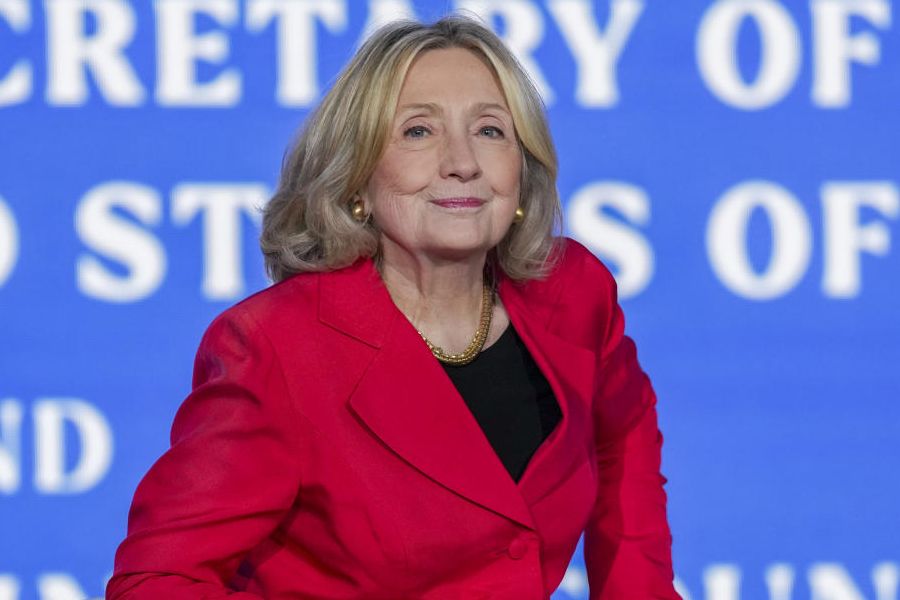
Clinton Urges India and China to Help Trump Diplomatically
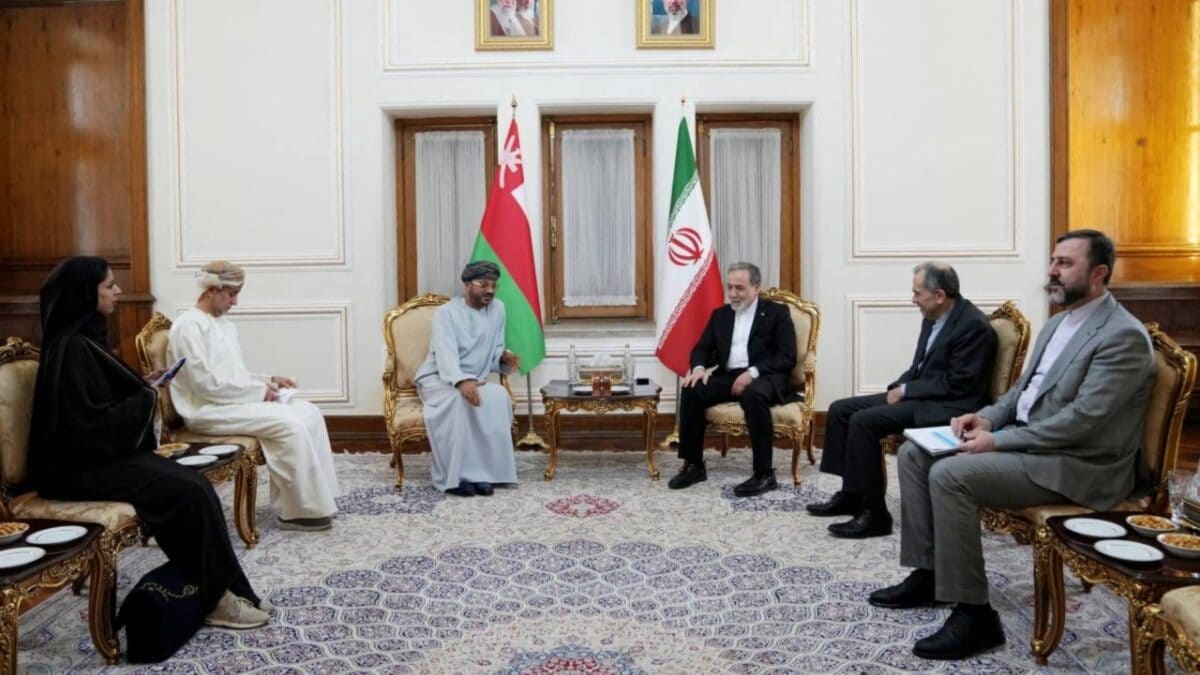
Iran-Oman Hormuz Talks Resume as United States Sanctions Iran

US-Iran Strikes Return Focus to Strait of Hormuz
Iran threatens offensive in Hormuz as US peace talks stall

US Holds Quiet Iran Talks With China and Russia
Saudi Arabia Says Iranian Tanker Attack Killed Two Sailors
U.S.-Iran Exchange Escalates Across Middle East, Markets Slide
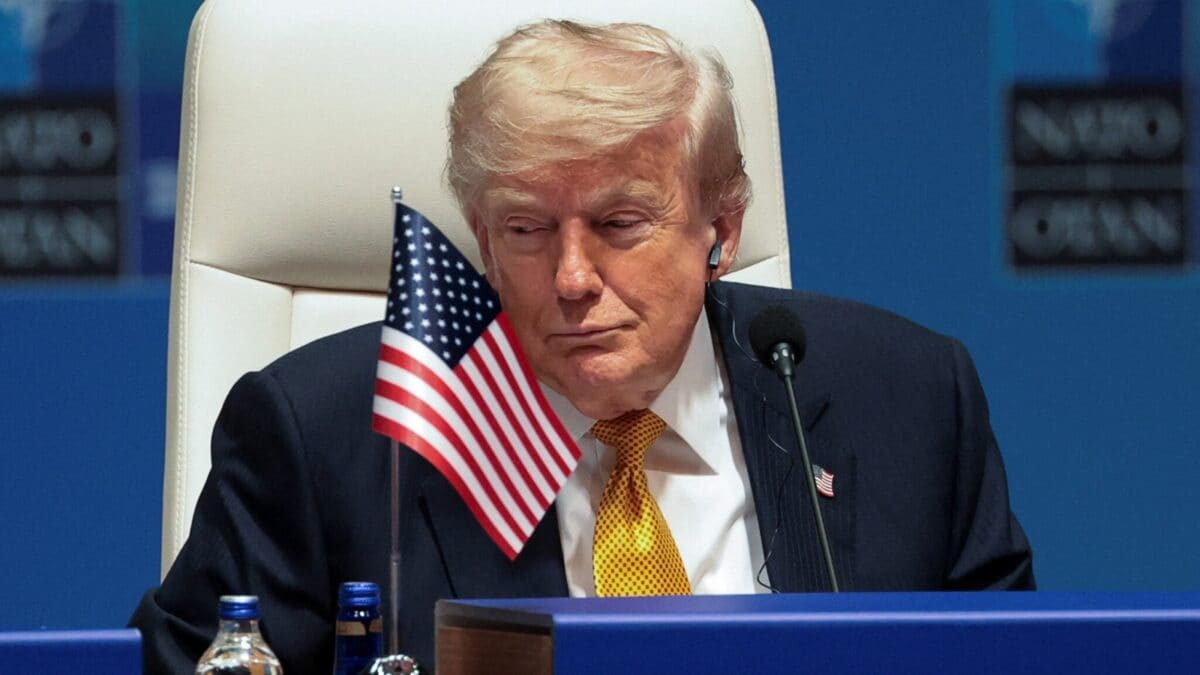
Trump Aides Seek Quiet Iran War Before Midterm Elections
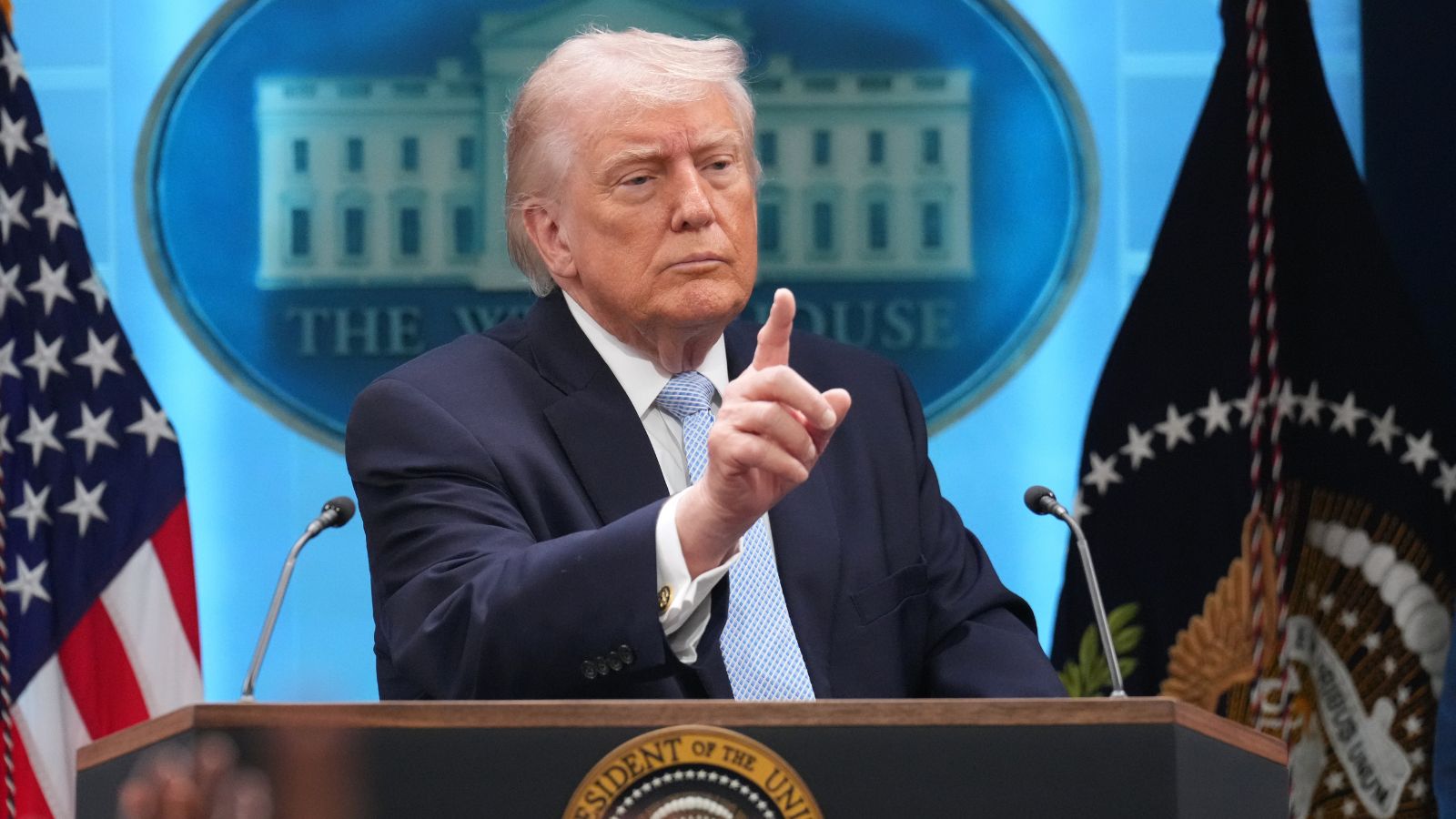
US Warns Middle East Travelers Amid Escalating Iran-Linked Tensions

Indian Stocks Slide as Oil, Conflict and Yields Rise