1 hr ago
Delhi SIR deletions exceed 2025 winning margins in 68 seats

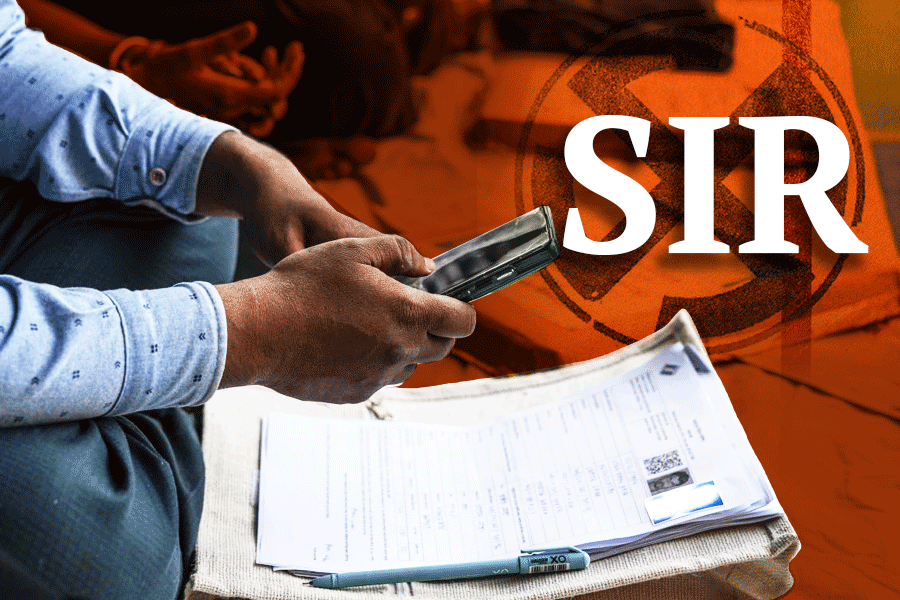
Delhi has made a new draft list of voters.
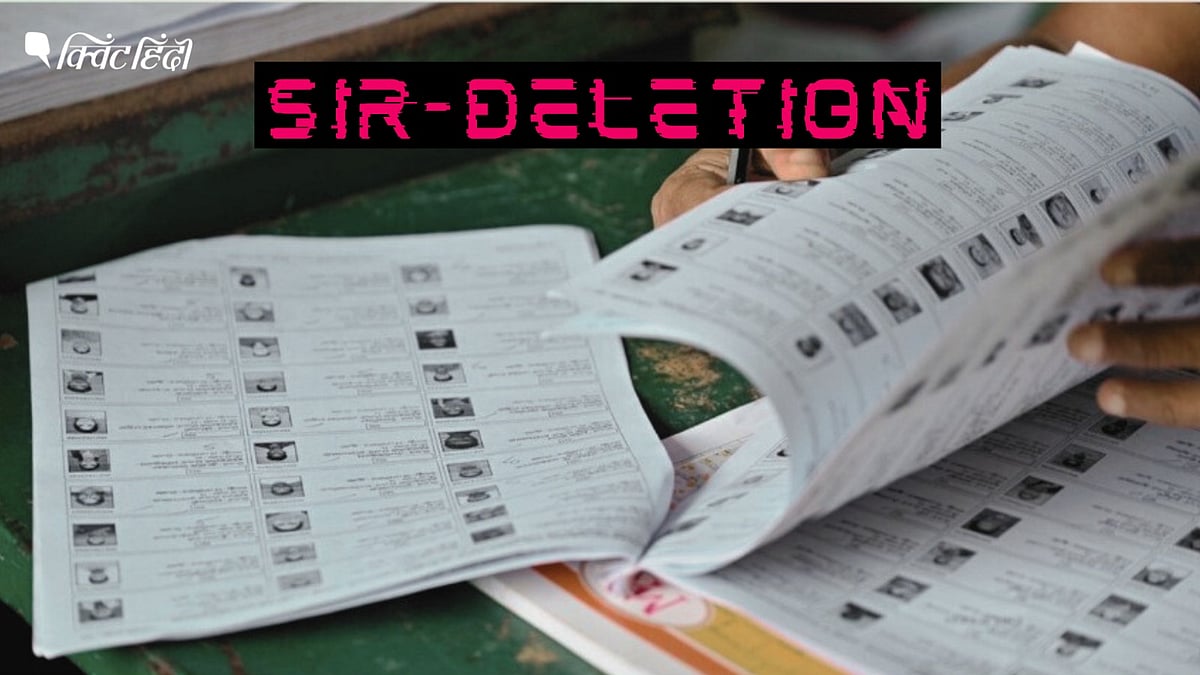
More than 47 lakh names were removed from it.
Many people were marked as having moved away, while others were recorded as dead or registered more than once.
A study found that the number removed was bigger than the winning vote difference in 68 of Delhi’s 70 election seats.
This does not prove that the deletions changed or were intended to change an election.
The study said many deletions could be linked to people moving frequently in crowded neighborhoods.
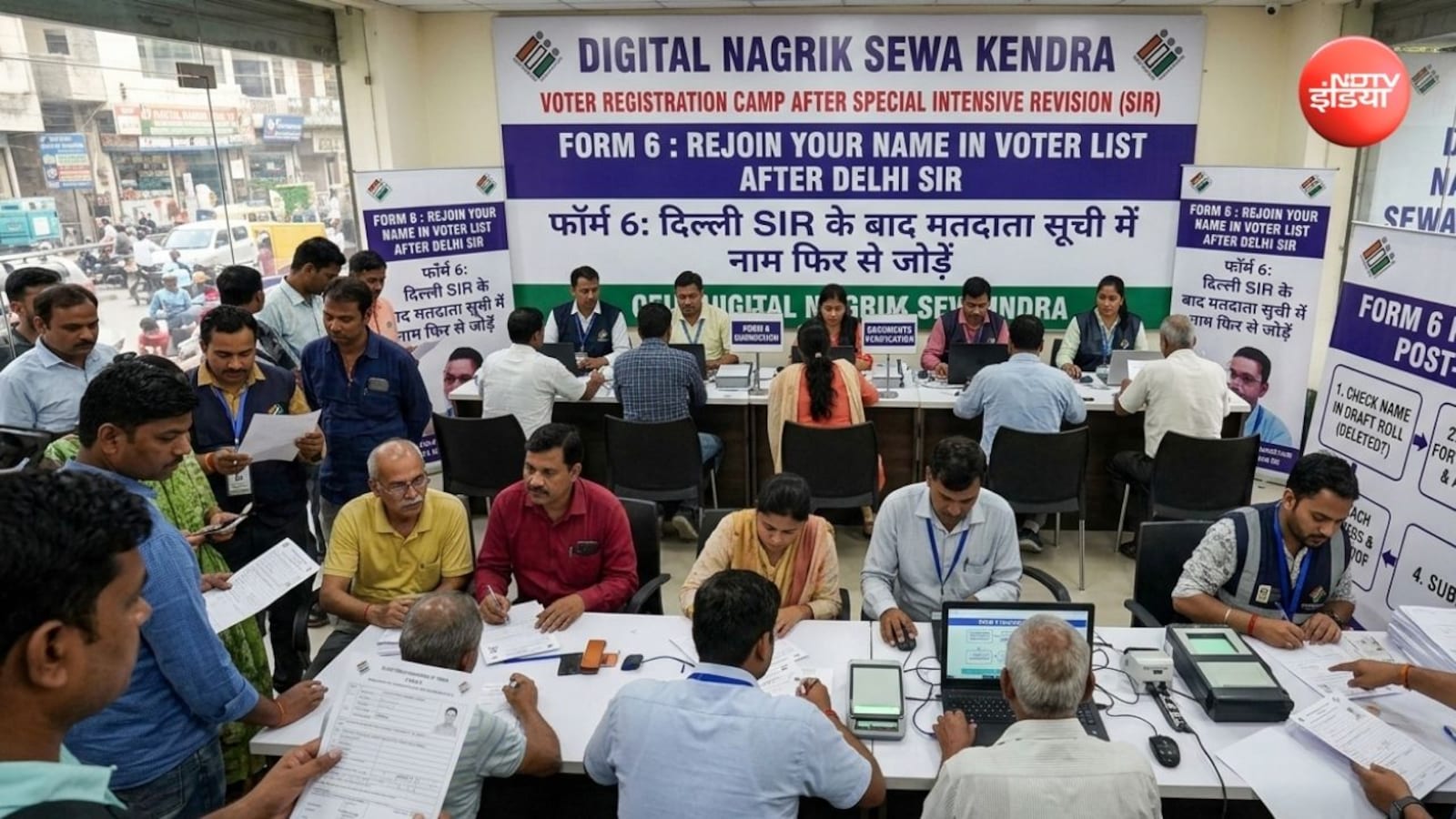
People who were removed can ask officials to check their names.
They can submit claims between August 31 and September 30.
The final voter list is expected on November 4.

More than 47 lakh names were deleted from Delhi’s draft voter list, about 33% of the electorate.
The deletions included 43.3 lakh voters marked absent or permanently shifted, 2.8 lakh listed as dead, and 1.4 lakh marked as duplicate registrations.
The Sabar Institute said deletions exceeded the 2025 winning margin in 68 of Delhi’s 70 Assembly seats.
Voters can file claims and objections from August 31 to September 30; appeals will be heard by October 29.
The institute said higher deletion rates in close contests may reflect population movement and do not establish a causal link to election outcomes.
- Who
- Delhi voters, the Election Commission of India, and the Sabar Institute are central to the report.
- What
- A special intensive revision of Delhi’s electoral rolls deleted more than 47 lakh names from the draft voter list.
- Where
- Delhi, across its 70 Assembly constituencies.
- When
- The draft list was released on Monday; claims can be filed from August 31 to September 30, with the final roll due November 4.
- Why
- Names were removed after being classified as absent or permanently shifted, dead, or enrolled at multiple places.
Concerns about voter exclusion
Caution against inferring electoral manipulation
Impact of deletions
Concerns about voter exclusion
Critics have raised concerns that the revision could remove genuine voters from the rolls and potentially affect electoral outcomes.
Caution against inferring electoral manipulation
The Sabar Institute said a high deletion rate may be consistent with genuine population churn, especially in dense, rented and migration-heavy neighborhoods.
Connection to close contests
Concerns about voter exclusion
The study found that deletions exceeded the 2025 winning margins in 68 of 70 seats, prompting concern because deletion rates were higher where contests were closer.
Caution against inferring electoral manipulation
The institute said the data alone cannot establish that deletions caused or were intended to influence election results.
Citizenship decisions
Concerns about voter exclusion
The revision has raised broader concerns about whether eligible voters could be excluded from electoral rolls.
Caution against inferring electoral manipulation
The Supreme Court upheld the revision’s legality but said the exercise does not authorize the Election Commission to decide whether someone is an Indian citizen.
Key facts
- Draft-list deletions
- More than 47 lakh names
- Share of electorate
- About 33%
- Absent or shifted
- 43.3 lakh names, or 29.8% of the electorate
- Marked dead
- About 2.8 lakh names
- Duplicate registrations
- About 1.4 lakh names
- 2025 Assembly result
- Bharatiya Janata Party won 48 seats and Aam Aadmi Party won 22
- Final electoral roll
- Scheduled for publication on November 4
Quotes
Sabar Institute
Research institute that conducted the study of Delhi’s draft electoral roll
“high uncollectable rate in a marginal seat is consistent with genuine population churn in the kinds of dense, tenanted, migration-heavy neighbourhoods that also tend to produce close contests”
 scroll.in
“The uncollectable rate [names deleted] is high everywhere and markedly uneven, ranging from a sixth to nearly a half of an Assembly [constituency]’s pre-revision electors”
scroll.in
Sources
Related news
Delhi Draft Voter Roll Excludes 47 Lakh Names, Sparks Row

Delhi Draft Voter Rolls Exclude 47.56 Lakh; Claims Remain Open

Delhi Draft Electoral Roll Excludes 47.7 Lakh Electors

Delhi draft electoral roll may delete a third of names
Delhi SIR Draft Roll Excludes Nearly 48 Lakh Voters
Delhi SIR Draft Roll Leaves 47.6 Lakh Voters Unlisted
Odisha Rice-Lifting Delay Threatens Paddy Procurement
Karnataka CM Shivakumar Criticises BJP Over Farmers’ Welfare
Hindutva Boycott Calls Target Muslim Livelihoods Across India
Incessant Rain Floods Ghatal, Reviving Demands for Master Plan