1 hr ago
Karnataka Cabinet Withdraws Controversial Parks Bill Amendment

Karnataka had approved a change to its parks law.
The change would have allowed the government to use or transfer up to five percent of park land for public projects.
People, environmental activists, and opposition parties strongly objected to the change.
The government has now decided to withdraw it.
The proposed rule covered transfers such as selling, leasing, gifting, exchanging, or mortgaging land.
Only government bodies and similar public authorities could have received the land.
A senior government committee and experts would have reviewed proposed uses.
Some Horticulture Department projects would not have been covered by the five-percent limit.

The Karnataka government decided to withdraw its Parks Amendment bill after opposition from citizens, nature activists, and political parties.
The amendment had been passed during the recently concluded Karnataka Assembly Monsoon session.
It would have allowed the state to alienate up to 5 percent of park land through sale, lease, gift, exchange, mortgage, or other means.
The permitted transfers were limited to public utility projects involving government bodies, statutory authorities, government companies, or local authorities.
The amendment proposed an evaluation mechanism led by the Additional Chief Secretary, while excluding certain Horticulture Department developments from the restriction.
- Who
- The Karnataka government, citizens, nature activists, and opposition parties.
- What
- The Karnataka Cabinet decided to withdraw the controversial Parks Amendment bill.
- Where
- Karnataka, particularly its parks and horticulture lands.
- When
- Thursday, after the bill was passed during the recently concluded Karnataka Assembly Monsoon session.
- Why
- The withdrawal followed major opposition from citizens, nature activists, and opposition parties.
Supporters of the Amendment
Opponents of the Amendment
Use of park land
Supporters of the Amendment
The amendment would have allowed up to 5 percent of park land to be used or transferred for public utility projects involving government or other public authorities.
Opponents of the Amendment
Citizens, nature activists, and opposition parties opposed the amendment and pushed for its withdrawal.
Safeguards and oversight
Supporters of the Amendment
The proposal included a five-percent ceiling, counted previously alienated land, and required evaluation by senior officials and expert professionals.
Opponents of the Amendment
Opponents remained concerned enough about the amendment to mount major pushback, leading the government to roll it back.
Horticulture projects
Supporters of the Amendment
The amendment excluded standard Horticulture Department developments and created a legal pathway for using limited areas within Horticulture Farms for core projects.
Opponents of the Amendment
The articles do not specify a separate public justification for these exclusions from the opponents' perspective.
Key facts
- Decision
- The Karnataka Cabinet decided to roll back the Parks Amendment bill.
- Proposed land ceiling
- The amendment allowed alienation of up to 5 percent of park land.
- Permitted methods
- Sale, lease, gift, exchange, mortgage, or other forms of transfer were specified.
- Eligible recipients
- Government departments, statutory authorities, government companies, and local authorities.
- Intended purpose
- Public utility projects.
- Evaluation mechanism
- A mechanism headed by the Additional Chief Secretary, with designated officers and domain experts, was proposed.
- Exclusions
- Standard Horticulture Department developments and certain core Horticulture Projects were outside the restriction.
Sources
Related news

Karnataka Parks Bill Draws Governor Reconsideration Plea Over Green Spaces
Karandlaje Urges Governor to Withhold Assent to Karnataka Park Bill
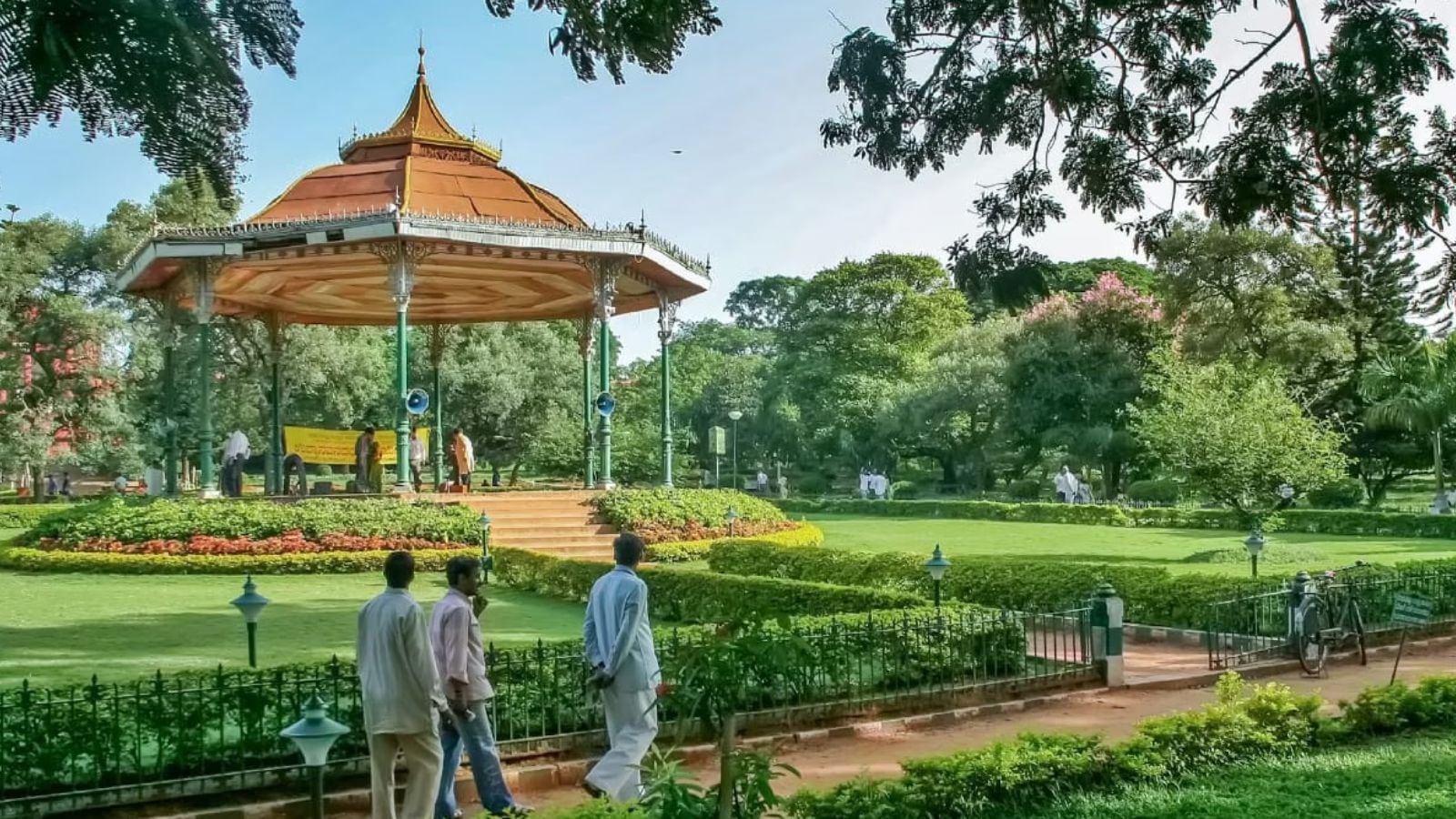
Karnataka’s Five-Percent Park Land Law Sparks Green Space Outrage

Karnataka Park Land Bill Draws Backlash Over Lalbagh Impact
Karnataka Laws Ignite Controversy Over Bengaluru Tunnel Road

Local Juniors Reach KSLTA World Tennis Tour J30 Bengaluru
Bengaluru to Shift 8,500 Seized Vehicles From Police Stations
Decentro Wins Three Fintech Industry Honours in 2026

Foreign Filmmaker Praises Vande Bharat as India's Nicest Passenger Train