1 week ago
Karnataka Parks Bill Draws Governor Reconsideration Plea Over Green Spaces

Karnataka passed a law changing how some government park land can be used.
The law could allow up to five per cent of park and garden land to be sold, leased, gifted, exchanged, mortgaged or transferred.
This would be allowed only for certain public utility projects involving government bodies or local authorities.
A committee led by the Additional Chief Secretary would assess proposed land-use changes.
The government says reasons must be recorded to show that a project is necessary and serves the public interest.
BJP MP Tejasvi Surya and a group of citizens asked the Governor to send the Bill back for review.
They worry that park land could be used for infrastructure or commercial projects without strong enough safeguards.
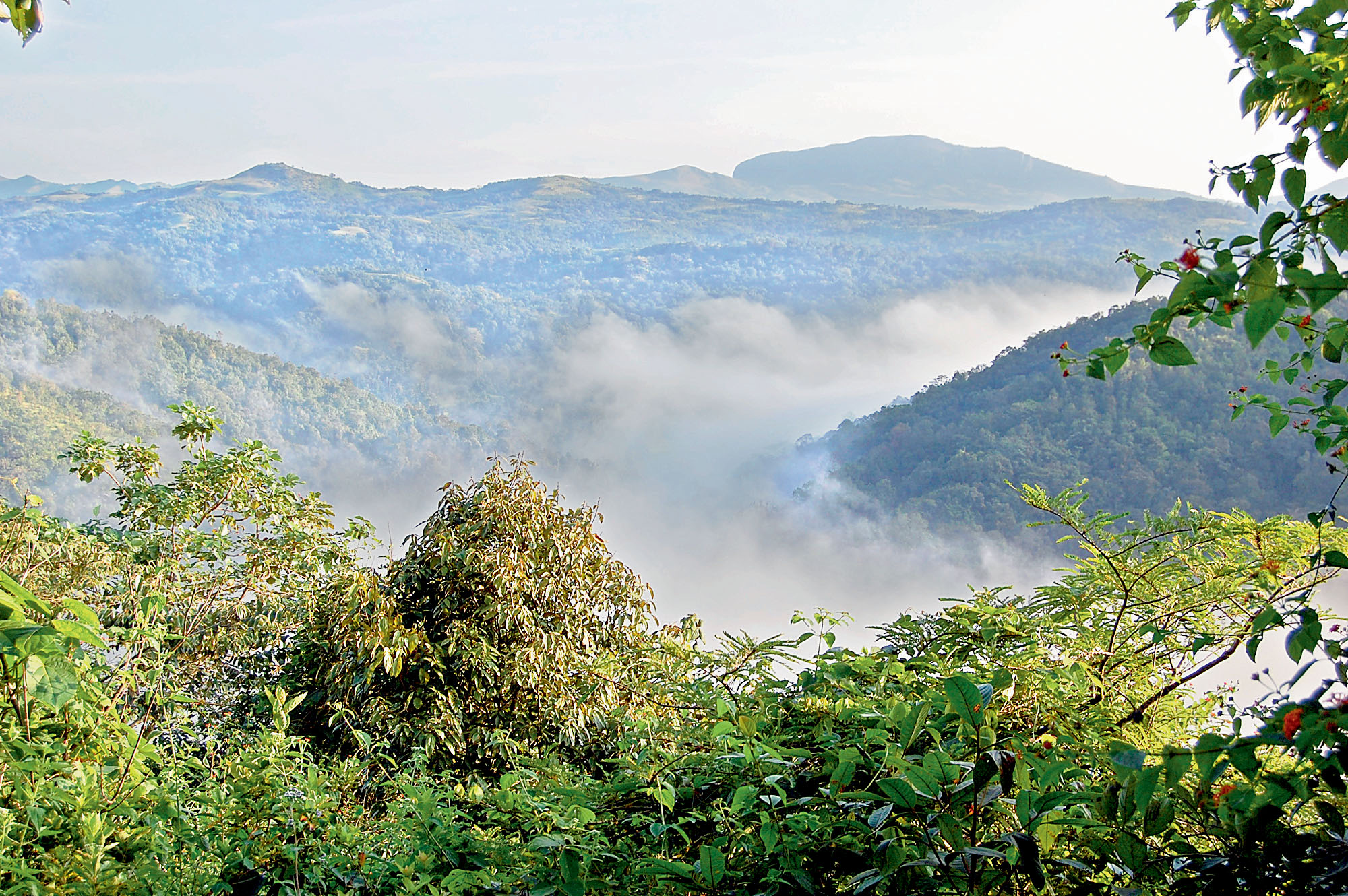
Environmentalists say Bengaluru already has too little green space as the city becomes more built up.

Karnataka’s legislature passed the Parks (Preservation) Amendment Bill, 2026, amid BJP protests and without substantive debate.
The amendment permits transferring up to five per cent of government park and garden land for public utility projects.
Eligible recipients include government departments, statutory authorities, government companies and local authorities.
BJP MP Tejasvi Surya urged Governor Thaawarchand Gehlot to return the Bill for reconsideration.
Environmentalists and citizens fear the provision could enable irreversible diversion of Bengaluru’s limited green spaces.
- Who
- The Karnataka legislature passed the Bill; BJP members protested, while BJP MP Tejasvi Surya, citizens’ groups, walkers’ associations and former senior officials opposed it.
- What
- The Karnataka Government Parks (Preservation) (Amendment) Bill, 2026, allows potential transfer of up to five per cent of government park and garden land for specified public utility projects.
- Where
- The legislation concerns government parks and gardens in Karnataka, with particular concern over Bengaluru’s green spaces.
- When
- The Bill was passed on August 24, 2026, according to the report; Surya met the Governor on August 26.
- Why
- The amendment is intended to permit selected public utility and horticulture-related projects, while opponents seek stronger safeguards against diversion or conversion of park land.
Government and Amendment Supporters
BJP Critics, Environmentalists and Citizens
Public utility projects
Government and Amendment Supporters
The amendment would enable limited land transfers for public utility projects involving government departments, statutory authorities, government companies and local authorities.
BJP Critics, Environmentalists and Citizens
Opponents argue that the provision could make it easier to divert existing park land for infrastructure projects.
Limits and safeguards
Government and Amendment Supporters
Transfers would be capped at five per cent, include land already transferred, require an official assessment and require documented reasons showing public interest and essentiality.
BJP Critics, Environmentalists and Citizens
Critics say the amendment could weaken the protections in the 1975 parks law and does not clearly define public utility or sufficiently prevent misuse.
Impact on Bengaluru
Government and Amendment Supporters
The Bill retains exceptions for routine horticulture works and allows limited horticulture-farm uses such as cold storage, post-harvest facilities and agri-based industries.
BJP Critics, Environmentalists and Citizens
Environmentalists and citizens say Bengaluru’s green cover is already declining and that even a limited diversion could harm parks, biodiversity, recreation and public well-being.
Tunnel projects
Government and Amendment Supporters
The amendment’s stated purpose is to facilitate public utility and infrastructure projects through regulated procedures.
BJP Critics, Environmentalists and Citizens
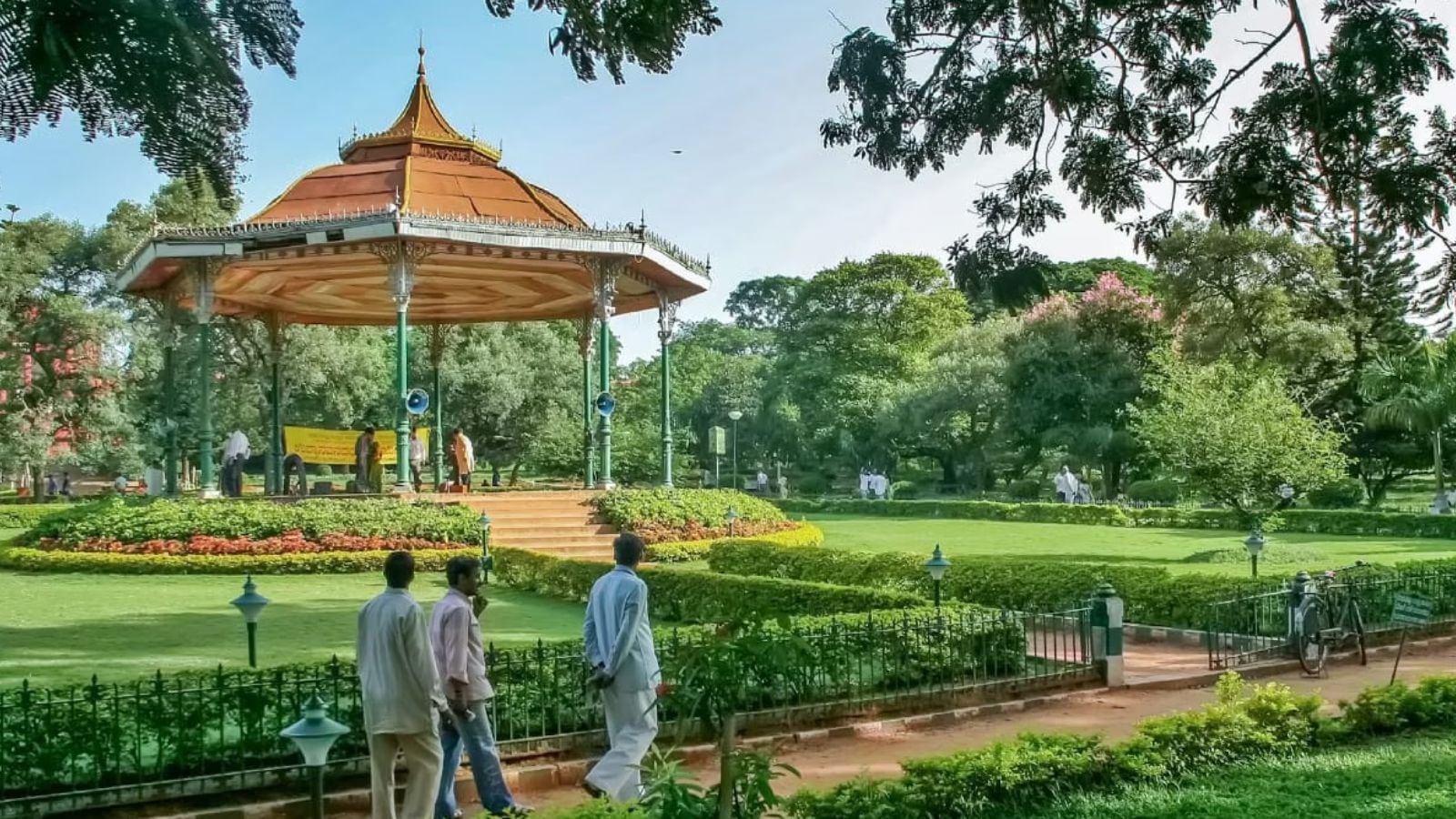
Surya cited proposed tunnel projects that he said could require land from Lalbagh and Hebbal Lake, illustrating his concern about potential diversion.
Key facts
- Maximum transfer
- Up to five per cent of the total area of government parks and gardens, including land already transferred.
- Eligible recipients
- Government departments, statutory authorities, government companies and local authorities.
- Assessment mechanism
- A process headed by the Additional Chief Secretary, involving designated officials and relevant experts, would assess proposed land-use changes.
- Legislative status
- The Bill passed both Houses on August 24 without substantive debate, amid Opposition protests.
- Bengaluru green spaces
- Reports cited about 1,300 to 1,353 registered parks covering approximately 1,000 to 1,308 acres.
- Surya’s estimate
- Tejasvi Surya said five per cent could place approximately 65.4 acres of Bengaluru park land at risk of diversion.
- Governor request
- Surya asked Thaawarchand Gehlot to use Article 200 powers to return the legislation to the state legislature for reconsideration.
Quotes

Tejasvi Surya
BJP MP representing Bengaluru South who opposed the parks amendment
“Any diversion of park land must be subject to strict safeguards, environmental assessment, transparency and meaningful public consultation.”
 theprint.in
“At five per cent, approximately 65.4 acres of Bengaluru’s already limited park land could potentially be placed at risk of diversion.”
theprint.in
Sources

Related news
Karnataka’s Five-Percent Park Land Law Sparks Green Space Outrage

Karnataka Park Land Bill Draws Backlash Over Lalbagh Impact
Karandlaje Urges Governor to Withhold Assent to Karnataka Park Bill

Bengaluru Lalbagh Walkers Protest Karnataka Parks Amendment Bill
Karnataka Laws Ignite Controversy Over Bengaluru Tunnel Road

Tejasvi Surya Opposes Karnataka’s Five-Percent Park Land Diversion
Deputy CM Warns Against Drought Loan Recovery Harassment

Karnataka Plans Second Drought List After Wider Coverage Demands

Karnataka BJP Padayatra Draws Sharp Response From Deputy CM

Kumaraswamy Turns Nagendra Resignation Into Attack On Karnataka Government

Karnataka Declares 101 Taluks Drought-Affected, Seeks Central Relief