1 hr ago
Nepal Plans to Drain Four Dangerous Glacial Lakes
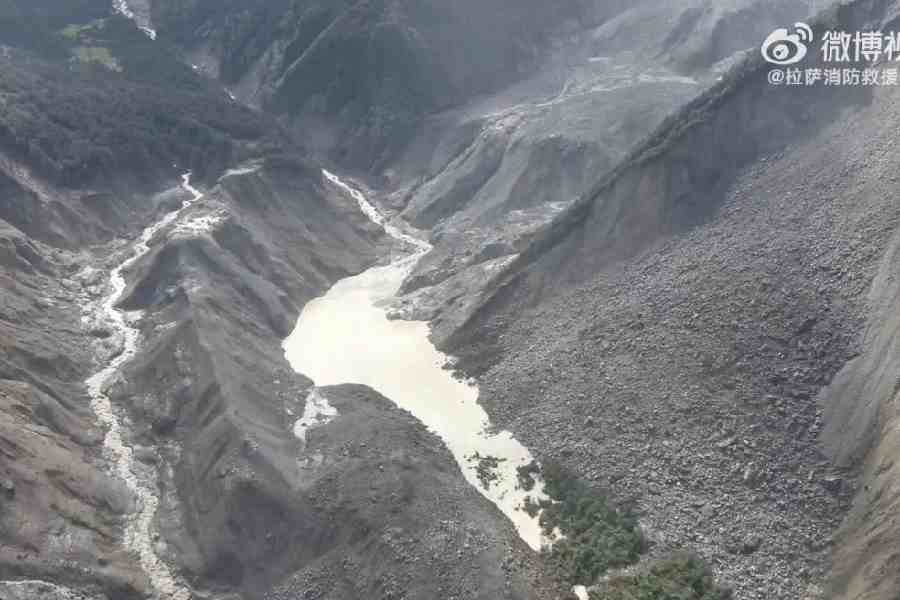
Nepal has four large lakes high in the Himalayas that are held back by natural walls made of rock and ice.
If one of these walls breaks, a huge amount of water could rush down into valleys.
Nepal plans to lower the water in the lakes in a controlled way.
Workers would build canals and gated structures to guide the water into nearby rivers.
The work will also include sensors and warning systems for people living downstream.
Studies and design work are expected to begin during the fiscal year ending in July 2027.
The project may cost $50 million and take as long as six years.
Officials say the plan is urgent after a glacier collapse and flood in August killed more than 1,400 people.
Scientists say warmer temperatures are causing Himalayan glaciers to retreat and making some lakes more dangerous.

Nepal plans to drain four high-altitude glacial lakes to reduce the risk of natural dam breaches and downstream floods.
The project targets Thulagi, Lower Barun, Lumding Tsho and Hongu II, located between 4,050 and 5,483 meters above sea level.
Design work and detailed studies are scheduled to begin during the fiscal year ending in mid-July 2027.
The estimated $50 million project could take up to six years and will include sensors, flood warnings and community preparedness measures.
The plan follows an August glacier collapse and flood disaster that killed more than 1,400 people, while over 5,000 remain missing, according to officials cited in the report.
- Who
- Nepal’s government research and water-resources officials, with support from the Green Climate Fund, the United Nations Development Programme and the International Centre for Integrated Mountain Development.
- What
- Nepal plans to study and then drain four potentially dangerous glacial lakes, while installing monitoring and flood-warning systems.
- Where
- The lakes are in Nepal’s central and eastern Himalayas, at elevations from 4,050 to 5,483 meters.
- When
- Design work and detailed studies are due to begin in the fiscal year ending in mid-July 2027; the draining work could take up to six years.
- Why
- To reduce the risk of glacial lakes breaching their natural dams and causing downstream floods, following a deadly August disaster.
Key facts
- Targeted lakes
- Thulagi, Lower Barun, Lumding Tsho and Hongu II
- Project cost
- Approximately $50 million
- Project duration
- Draining could take up to six years
- Lake elevations
- About 4,050 to 5,483 meters
- Planned measures
- Controlled drainage, sensors, flood forecasting and warning systems
- Recent disaster toll
- More than 1,400 people killed and over 5,000 missing
- Previous efforts
- Nepal lowered Tsho Rolpa by 3 meters in 2000 and reduced Imja’s level about a decade ago
Quotes
Samjwal Ratna Bajracharya
Retired ICIMOD expert on glaciers, glacial lakes and outburst floods
“They are growing fast, are high up in the Himalayas and could cause outbursts any time, due to earthquakes, avalanches, climatic conditions and unplanned human-induced activity”
 telegraphindia.com
“Our aim is to lower the risk of the lakes breaching their natural dams and reduce the risk of downstream floods”
telegraphindia.com
Sources
Related news
Sikkim Identifies 40 High-Hazard Glacial Lakes, 16 Highest-Risk
UN Warns Himalayas Face Severe Glacial Flood Risks Ahead
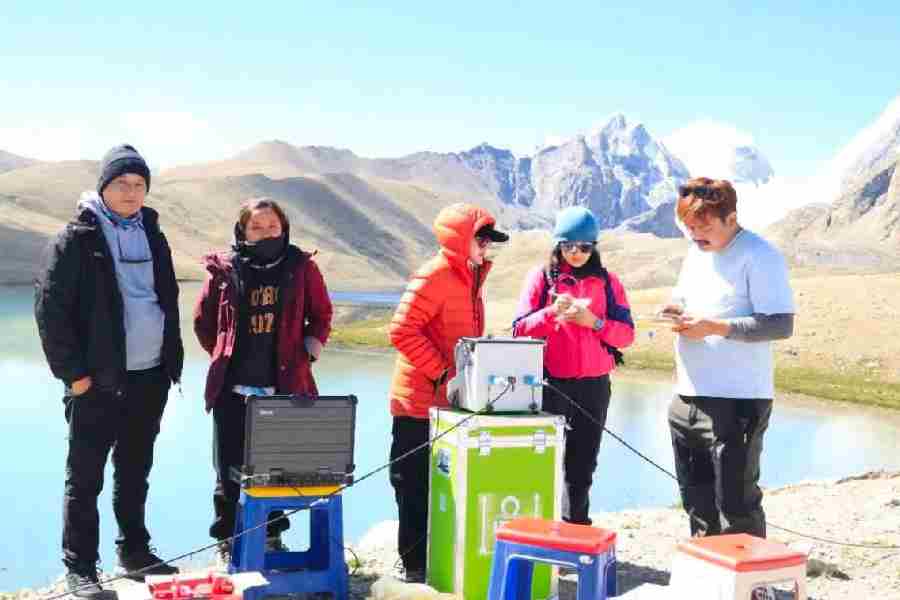
Sikkim Studies 16 High-Risk Glacial Lakes Amid GLOF Threat

Tibetan Glacier Instability Raises Risk Of Deadly Floods

Nepal Estimates $4.78 Billion Reconstruction Cost After Glacial Floods
Mangrove Restoration Revitalizes Indian Coastlines and Livelihoods
US Withdraws from Climate Treaties

US Withdraws from Climate Agencies

US Withdraws from Key Climate Treaties and Organizations