2 months ago
Mangrove Restoration Revitalizes Indian Coastlines and Livelihoods
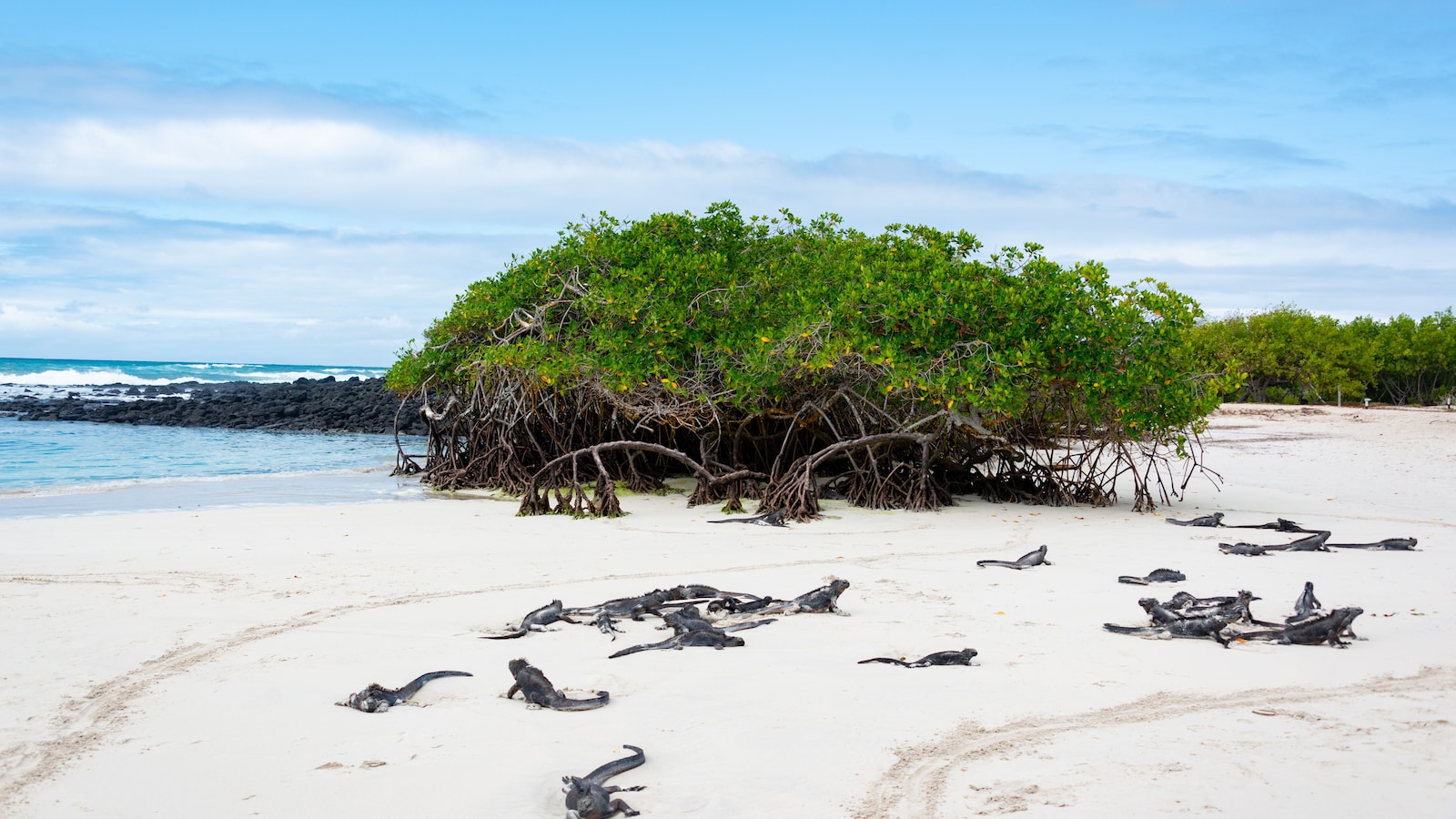
Mangroves are special forests that grow where the land meets the sea.
They help protect the coast from storms, provide homes for many animals, and store a lot of carbon.
In India, a big project was started to restore mangroves in three states: Andhra Pradesh, Maharashtra, and Odisha.
By 2023, the mangroves were growing again, and this helped the local people who depend on the sea for their livelihoods.
The project not only brought back the mangroves but also created jobs for the people living there.
Mangroves are very important because they help fight climate change and protect the environment.
International Mangrove Day is celebrated to raise awareness about the importance of these forests and to encourage their conservation.

A large-scale initiative by the Government of India, Green Climate Fund, and UNDP aimed to restore mangroves and marine ecosystems in Andhra Pradesh, Maharashtra, and Odisha.
By 2023, the project successfully restored mangroves, which helped protect coastlines from erosion and storms and revitalized local fisheries.
The restoration efforts created year-round employment opportunities for local communities, including women, and made crab farming more accessible.
Mangroves are described as nature's finest engineering due to their ability to filter salt, protect coastlines, support biodiversity, and store carbon.
International Mangrove Day, established by UNESCO in 2015, aims to raise awareness about the importance of mangroves and promote their sustainable conservation.
- Who
- Government of India, Green Climate Fund, UNDP, Vandana Patil, Supriya Sahu, UNESCO
- What
- Restoration of mangroves and marine ecosystems in coastal communities
- Where
- Andhra Pradesh, Maharashtra, Odisha, India
- When
- Project launched in 2025, completed by 2023
- Why
- To strengthen climate resilience, protect biodiversity, and support local livelihoods
Environmental Conservation
Economic Development
Mangrove Restoration
Environmental Conservation
Mangrove restoration is crucial for protecting biodiversity, preventing erosion, and mitigating climate change.
Economic Development
Mangrove restoration can limit economic activities like fishing and tourism, impacting local livelihoods.
Key facts
- Project Launch Year
- 2025
- Project Completion Year
- 2023
- Mangrove Cover in India
- 4,992 sq. km
- Percentage of India's Geographical Area Covered by Mangroves
- 0.15%
- Largest Mangrove Forest in India
- Sundarbans
- Second Largest Mangrove Forest in India
- Bhitarkanika
- Countries with Largest Mangrove Covers
- Indonesia, Brazil, Nigeria, Mexico, Australia
- Percentage of Global Mangrove Cover in Top 5 Countries
- 47%
Quotes
IAS officer Supriya Sahu
Indian Administrative Service officer leading climate resilience initiatives
“Mangroves filter out salt, breathe through specialised aerial roots, guard coastlines, nurture fisheries, shelter creatures from tigers to golden jackals, birds and crocodiles, and lock away vast reserves of carbon – earning them, in her words, the title of nature's climate superheroes.”
 NDTV
NDTV
Sources
Related news

Fury and Joshua set for December 11 Cardiff showdown

Saudi Arabia’s CEER Exobot Offers 850hp and 670km Range

Suspected Chinese Hackers Impersonate US AI Experts for Intelligence

Navy Chief Visits Australia, New Zealand to Boost Cooperation

Bengaluru Church Receives Two World Record Recognitions for Art

White House Seeks US Review Before UK AI Model Access
Nepal Plans to Drain Four Dangerous Glacial Lakes

US Withdraws from Climate Treaties

US Withdraws from Climate Agencies
US Withdraws from Key Climate Treaties and Organizations