6 days ago
Why E10 Could Return Through Premium Fuel Dispensers
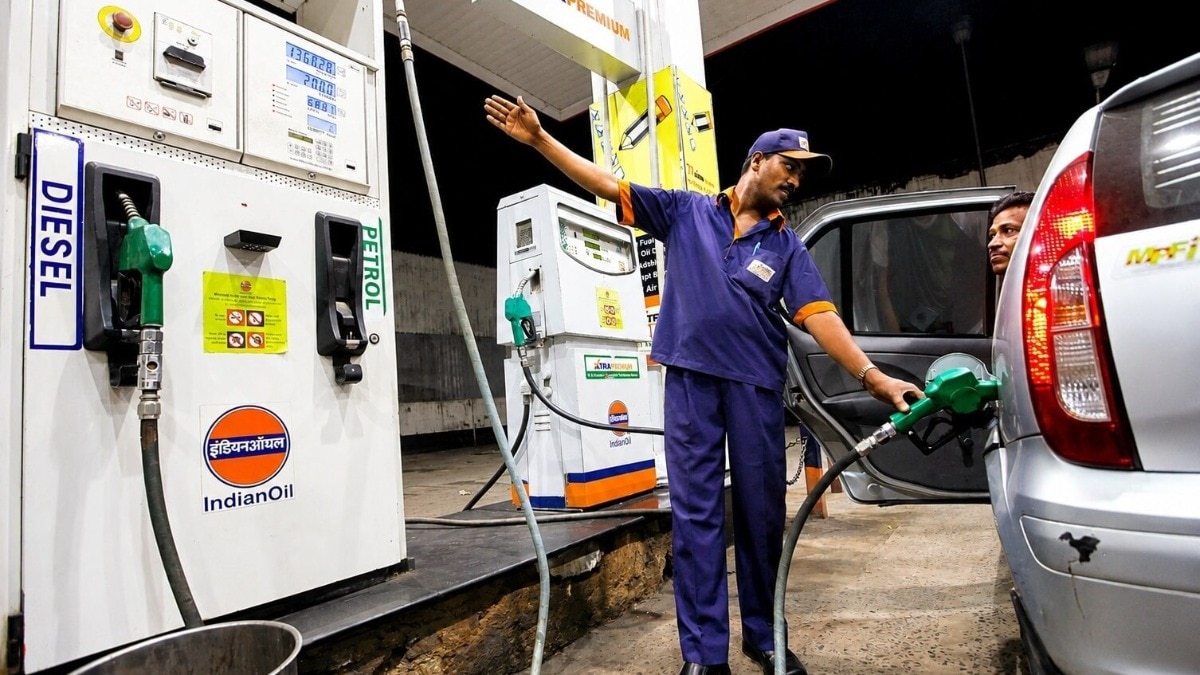
E10 is petrol mixed with 10% ethanol, while E20 contains 20% ethanol.
The government has been promoting E20 to reduce fuel imports and increase farmers’ incomes.
However, many older cars and two-wheelers cannot use E20 safely.
One proposal is to sell E10 through pumps currently used for expensive, higher-octane petrol.
These pumps include those selling XP95, Speed and Power95.
E10 would probably not replace ordinary petrol because some high-performance vehicles need different fuel.
The government has said switching back could put large ethanol investments at risk.
It has also warned that selling several petrol types at every pump would be difficult to manage.
The debate is therefore about helping older vehicles while preserving India’s ethanol infrastructure.

E10 could be reintroduced through dispensers currently used for premium fuels such as XP95, Speed and Power95.
The proposal would avoid replacing regular petrol, which is often used by high-performance vehicles.
India’s E20 petrol now has a Research Octane Number of 95, similar to the premium grades it could replace.
The Ministry of Petroleum and Natural Gas has defended E20, citing nearly ₹1 lakh crore a year in ethanol-related investments.
More than 30 crore vehicles manufactured before April 2023 are reportedly incompatible with E20.
- Who
- The Indian government, the Ministry of Petroleum and Natural Gas, fuel retailers and vehicle owners are involved.
- What
- A proposal would bring back E10 petrol through existing premium-fuel dispensers while the government officially supports E20.
- Where
- India’s fuel retail network, which includes more than one lakh outlets.
- When
- The ministry stated its E20 position on July 10; the article also refers to Japan’s 2025 ethanol-blend rate.
- Why
- E10 is being considered because more than 30 crore older vehicles are reportedly incompatible with E20, while the government says E20 reduces fuel imports and supports farmers’ incomes.
Case for an E10 option
Case for maintaining E20
Older vehicles
Case for an E10 option
An E10 option could help owners of more than 30 crore vehicles manufactured before April 2023 that are reportedly incompatible with E20.
Case for maintaining E20
The government’s stated policy remains E20, which it says was introduced to reduce the fuel import bill and increase farmers’ incomes.
Use of fuel infrastructure
Case for an E10 option
E10 could be supplied through existing premium-fuel dispensers, avoiding the need to replace regular petrol and making use of infrastructure originally considered for flex-fuel vehicles.
Case for maintaining E20
The Ministry of Petroleum and Natural Gas says maintaining pure petrol, E10 and E20 simultaneously across the network would create major logistical and inventory-management challenges.
Investment and transition costs
Case for an E10 option
Supporters of the proposal point to international examples where E10 is common, including the United States and much of the European Union.
Case for maintaining E20
The ministry says reverting to E10 could jeopardize nearly ₹1 lakh crore per year invested in ethanol production, plants, storage, logistics and related infrastructure.
Key facts
- Proposed route for E10
- Use dispensers currently selling higher-octane fuels such as XP95, Speed and Power95.
- Current policy
- The government officially supports an E20 petrol mandate.
- E20 octane rating
- The Research Octane Number of E20 petrol has risen to 95 from around 88 earlier.
- Older vehicle compatibility
- More than 30 crore cars and two-wheelers manufactured before April 2023 are reportedly incompatible with E20.
- Ethanol investment cited by ministry
- Nearly ₹1 lakh crore per year in ethanol production and associated infrastructure investments financed by public sector banks.
- Indian fuel outlets
- India operates more than one lakh retail fuel outlets.
- International comparison
- E10 is standard at gas stations in the United States, while the European Union’s average blend is also around E10.
Quotes

Ministry of Petroleum and Natural Gas
Indian government ministry responsible for petroleum and natural gas policy
“Maintaining multiple grades of base petrol across this vast supply chain would create an enormous logistical challenge, increase handling costs, complicate inventory management and reduce operational efficiency.”
 businesstoday.in
Sources
Related news
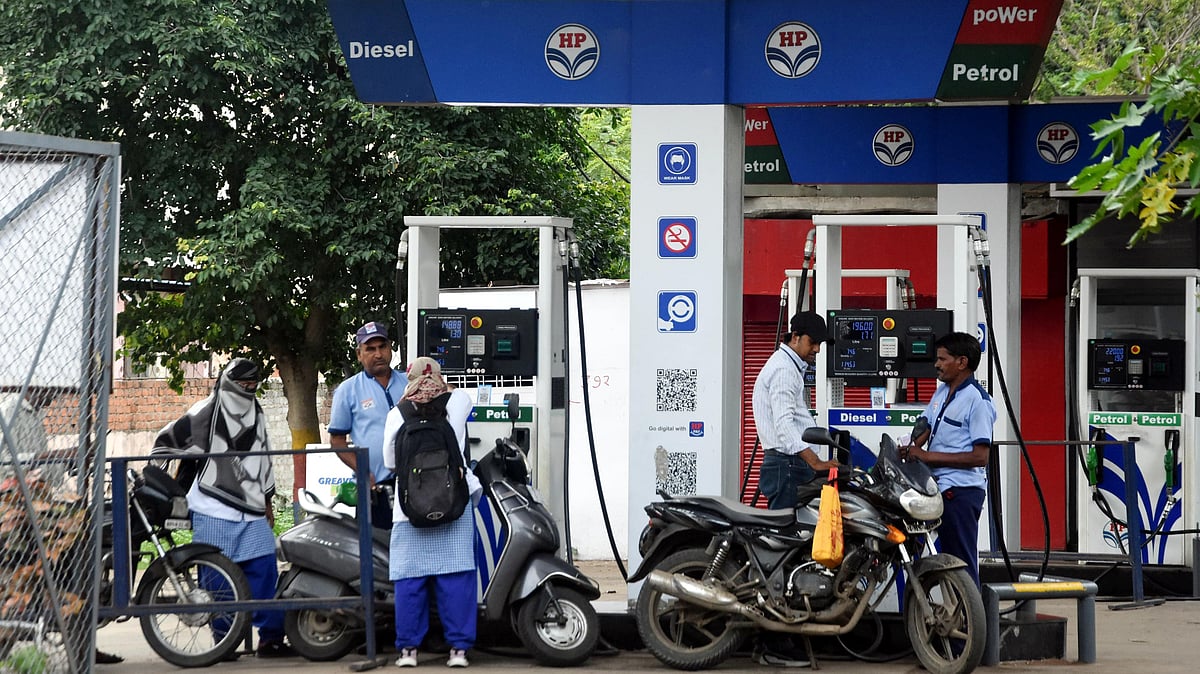
E10 Petrol May Return Through Premium Fuel Amid E20 Concerns

BPCL Says E10 Supply Is Feasible Alongside E20
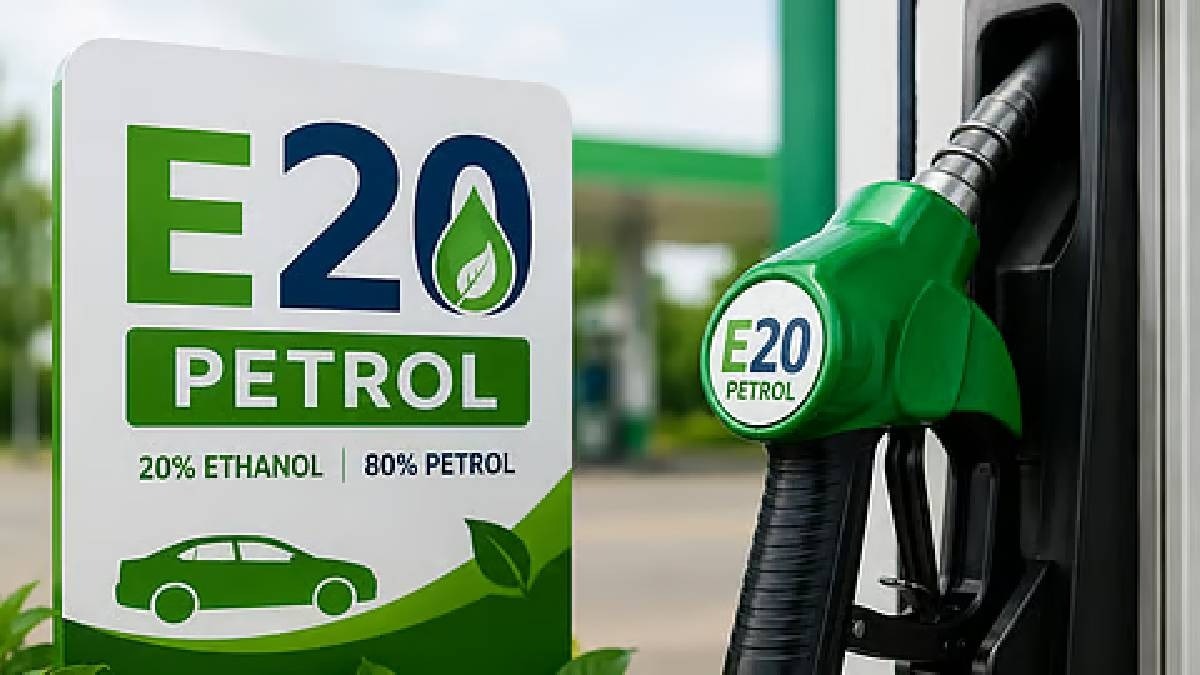
BPCL Explores E10 Option Alongside E20 for Older Vehicles

Centre Explores E10 Return Amid E20 Vehicle Concerns

Former NITI Official Says India’s E20-Only Rollout Came Early

India's E20 Petrol Shift Changes New Car Buying Decisions

Bangladesh Recall Shanto, Mahmud for Asian Games T20 Squad

Japan Cricket Boss Defends Asian Games Facilities Against Concerns

Mitsubishi Revives Pajero With 201PS Fifth-Generation SUV

Europe's Bond Selloff Deepens as Middle East Tensions Lift Oil

Uday Kotak Warns Global Bond Markets Face Roller-Coaster Volatility