1 hr ago
British Steel Rescue Faces Growing Costs Without Long-Term Plan
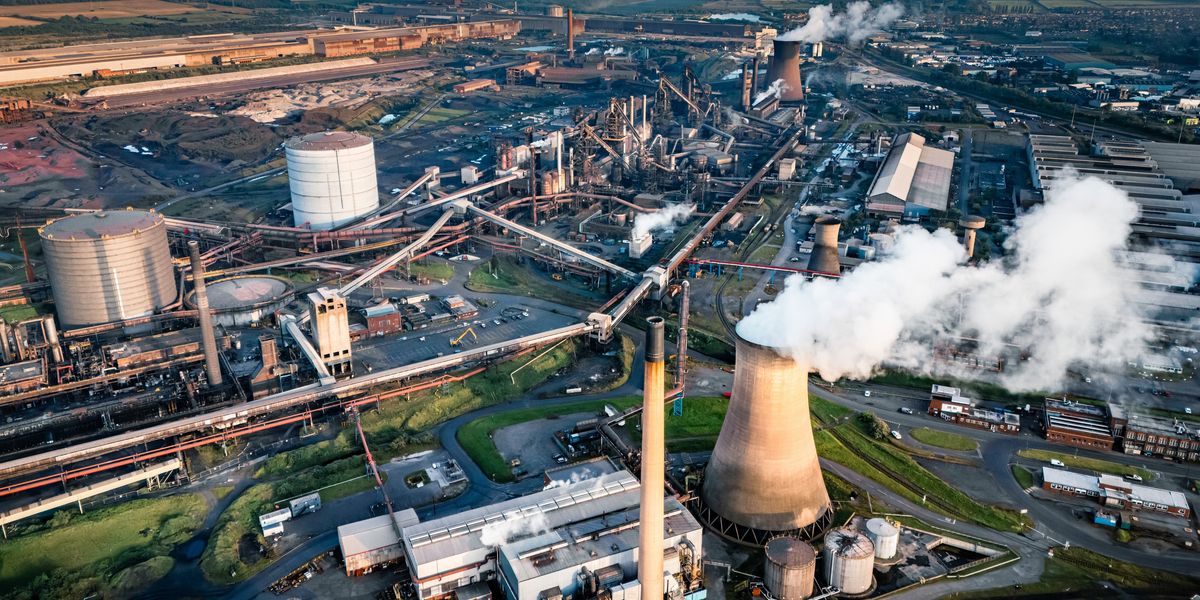
The government rescued British Steel to stop its important furnaces from closing.
This helped protect jobs and Britain’s ability to make steel.
However, keeping the company running costs taxpayers about £1.3 million every day.
The government had already provided hundreds of millions of pounds by June.
MPs say the government has not explained clearly how British Steel will become financially healthy.
They also want to know how the company will reduce pollution and compete with other steelmakers.
The government says steel is important for national security and infrastructure.
It says public and private investment, along with a new Steel Strategy, can create a sustainable industry.
For now, the rescue has bought time, but MPs want a clear plan for what happens next.

Taxpayers are spending about £1.3 million a day keeping British Steel operating.
The government had provided £555 million by June, with spending expected to reach £642 million by June 30.
The Public Accounts Committee says there is no credible plan for British Steel’s business model, finances or decarbonisation.
British Steel’s Scunthorpe blast furnaces were kept open after emergency government intervention in April 2025.
The company employs 4,052 permanent staff, produces up to three million tonnes annually and supplies 80% of Network Rail’s steel.
- Who
- The UK government, British Steel, the Public Accounts Committee and British Steel’s employees are central to the issue.
- What
- The government rescued British Steel, but MPs say its continuing public funding lacks a credible long-term business, financial and decarbonisation plan.
- Where
- British Steel’s key site is in Scunthorpe, where the UK’s last remaining blast furnaces operate.
- When
- The government intervened in April 2025; by June, funding had reached £555 million, with spending expected to reach £642 million by June 30.
- Why
- The government says intervention protects national infrastructure, security, jobs and the UK steel sector, while MPs are seeking a sustainable financial and industrial future.
Public Accounts Committee concerns
Government’s case for intervention
Long-term plan
Public Accounts Committee concerns
The committee says the government still lacks a credible plan for British Steel’s business model, finances and decarbonisation pathway.
Government’s case for intervention
The government says its wider Steel Strategy, along with a new board and chair, is intended to create a sustainable, competitive and decarbonised industry.
Public spending
Public Accounts Committee concerns
MPs warn that costs and uncertainty are growing, with no clear estimate of the eventual taxpayer bill or assurance that the money will be recovered.
Government’s case for intervention
The government has committed funding to keep the company operating while it works toward a longer-term future involving public and private investment.
Reason for keeping British Steel open
Public Accounts Committee concerns
The committee accepts the company’s importance but says the rescue only bought time and cannot itself serve as the strategy.
Government’s case for intervention
The government says British Steel is important to national infrastructure and security, including steel supplies and domestic industrial capacity.
Key facts
- Daily taxpayer cost
- About £1.3 million
- Government funding by June
- £555 million
- Expected spending by June 30
- £642 million
- Permanent employees
- 4,052 in January 2026
- Annual production capacity
- Three million tonnes
- Network Rail supply
- 80% of its steel requirements under a £500 million contract
- Key site
- Scunthorpe, home to the UK’s last remaining blast furnaces
Quotes
Public Accounts Committee
Parliamentary committee scrutinising government spending and the British Steel rescue
“Having brought British Steel onto the taxpayers’ books, it is now up to government to explain its plan for its future”
 easterneye.biz
“bought time rather than providing a solution”
easterneye.biz
Sources
Related news
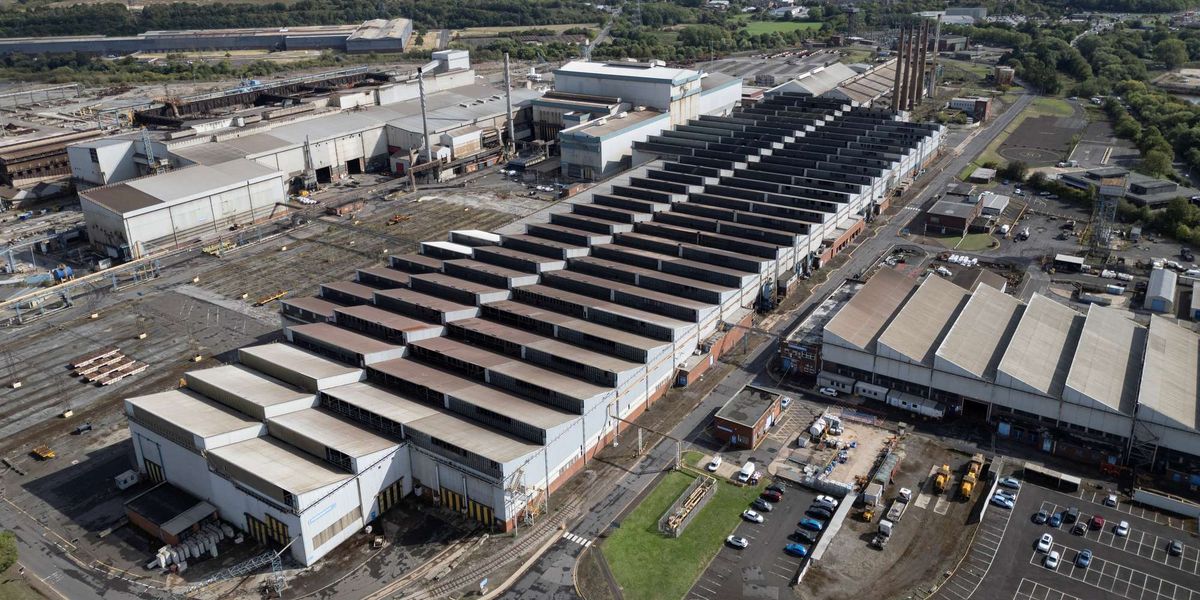
UK Government Plans Acquisition of Speciality Steel Amid Crisis

Britain’s July Tax Boost Fails to Prevent Growing Deficit

Harry and Meghan’s Return Raises UK Taxpayer Security Concerns

UK Finance Minister Weighs Wealth Tax Options for October Budget

Andy Burnham Pauses Thames Water Nationalisation Amid £2bn Risks

Healey Sets Growth Vision Ahead of Britain’s Tough Budget

Delhi BJP says PAC chief may seek probe into leaks
Parliamentary Oversight Can Strengthen India’s Transparent, Responsive Governance

Supreme Court Sets Aside Tata Steel’s ₹1,007 Crore GST Notice

Delhi Speaker urges swift action on CAG audit reports