

1 day ago
A Judge’s Message Reopens Questions About Childhood Sexual Abuse

The writer remembers feeling unsafe when she was seven years old.
She told her parents, but some relatives later said she could not have understood what happened.
The article also describes a seven-year-old girl who was sexually abused by a man she called “uncle.”
After the case was decided, a judge wrote the girl a message to encourage her.
The Delhi High Court said the message should be given to her with her compensation.
The writer says children who speak about harm should be listened to and supported.
She asks why girls are sometimes doubted when they report troubling behaviour.
She says it should not be girls’ job to learn how to avoid violence.
Instead, society should work to prevent it.

The writer recalls being seven when a staff member at a swimming complex made her feel unsafe; she immediately told her parents.
The article discusses a seven-year-old rape survivor whose abuse occurred in July 2023 and whose offender was someone she called “uncle.”
After the verdict, a judge wrote a personal message to the child; the Delhi High Court ordered that it be delivered with her compensation.
The writer says relatives later dismissed her own childhood experience, illustrating how adults may doubt girls who report inappropriate behaviour.
Citing NCRB data, the writer says 1,492 of 44,126 cases under specified POCSO provisions involved an unknown or unidentified offender, and calls for society to prevent violence rather than teach women to avoid it.
- Who
- A writer who is an Indian Revenue Service officer, a seven-year-old rape survivor, and the judge who wrote her a message.
- What
- The article reflects on childhood sexual abuse, the importance of believing children, and a judge’s encouraging message to a young survivor.
- Where
- The case was before the Delhi High Court; the writer’s childhood incident occurred at a swimming complex.
- When
- The survivor’s case concerned an incident in July 2023; the writer’s swimming-complex experience occurred when she was seven.
- Why
- The writer argues that children’s accounts of inappropriate behaviour should be taken seriously and that society should focus on preventing violence.
Take children’s accounts seriously
Dismiss or doubt children’s accounts
How adults should respond when a child reports troubling behaviour
Take children’s accounts seriously
The writer argues that children should be heard and supported, and describes the judge’s message as an acknowledgment of the survivor’s experience.
Dismiss or doubt children’s accounts
Some of the writer’s relatives dismissed her account, believing a child could not have known what was happening and accepting the staff member’s explanation.
Key facts
- Age of writer during swimming-complex incident
- Seven years old
- Age of survivor discussed
- Seven years old
- Date of incident in survivor’s case
- July 2023
- Court action
- The Delhi High Court ordered that the judge’s personal message be delivered to the child along with compensation.
- NCRB figures cited
- 1,492 of 44,126 cases under POCSO Act Sections 4 and 6 involved an unknown or unidentified offender.
- Writer’s concluding argument
- Society needs to prevent violence rather than give women a handbook on avoiding it.
Sources
Related news
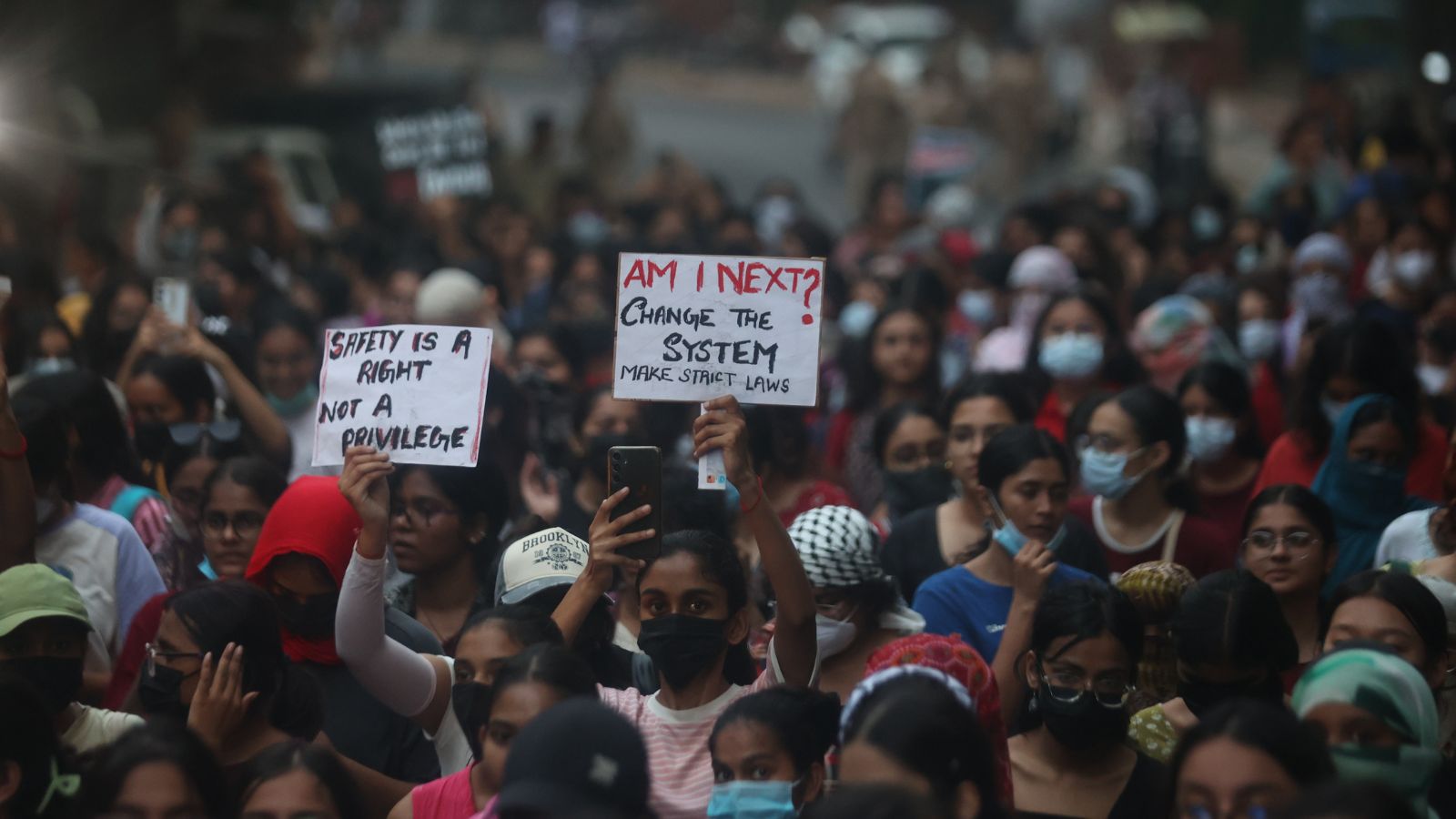
A Society’s Duty Is Preventing Violence Against Girls

'Beta': Delhi High Court backs judge's encouragement letter to survivor

Delhi High Court Upholds Acquittal in Rape Case

Cornell Case Prompts Mother to Discuss Speaking Up

The Silence That Makes Room for Sexual Violence

UK Teenager Sentenced After Stabbing Girl Who Rejected His Advances
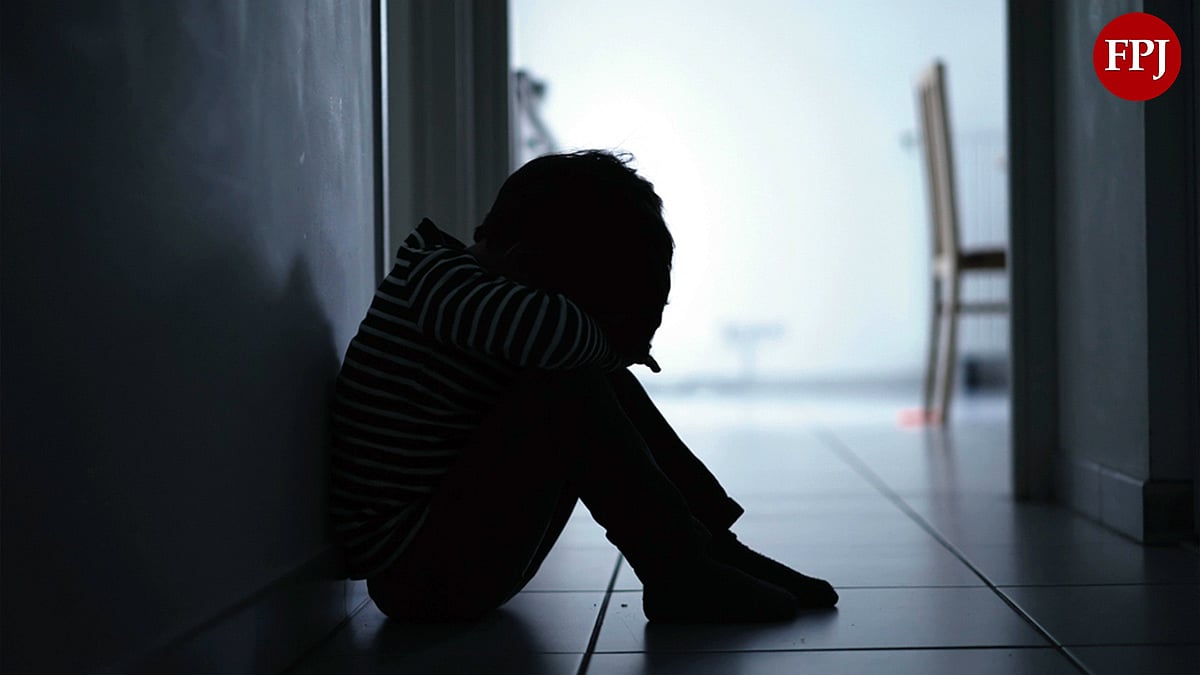
Protest in Latur Demands Harsh Punishment in POCSO Case

Gujarat Teen Accuses Parents of Abuse; Police Investigate

Tamil Nadu Trainer Arrested in POCSO Harassment Case
