

14 hrs ago
A Society’s Duty Is Preventing Violence Against Girls
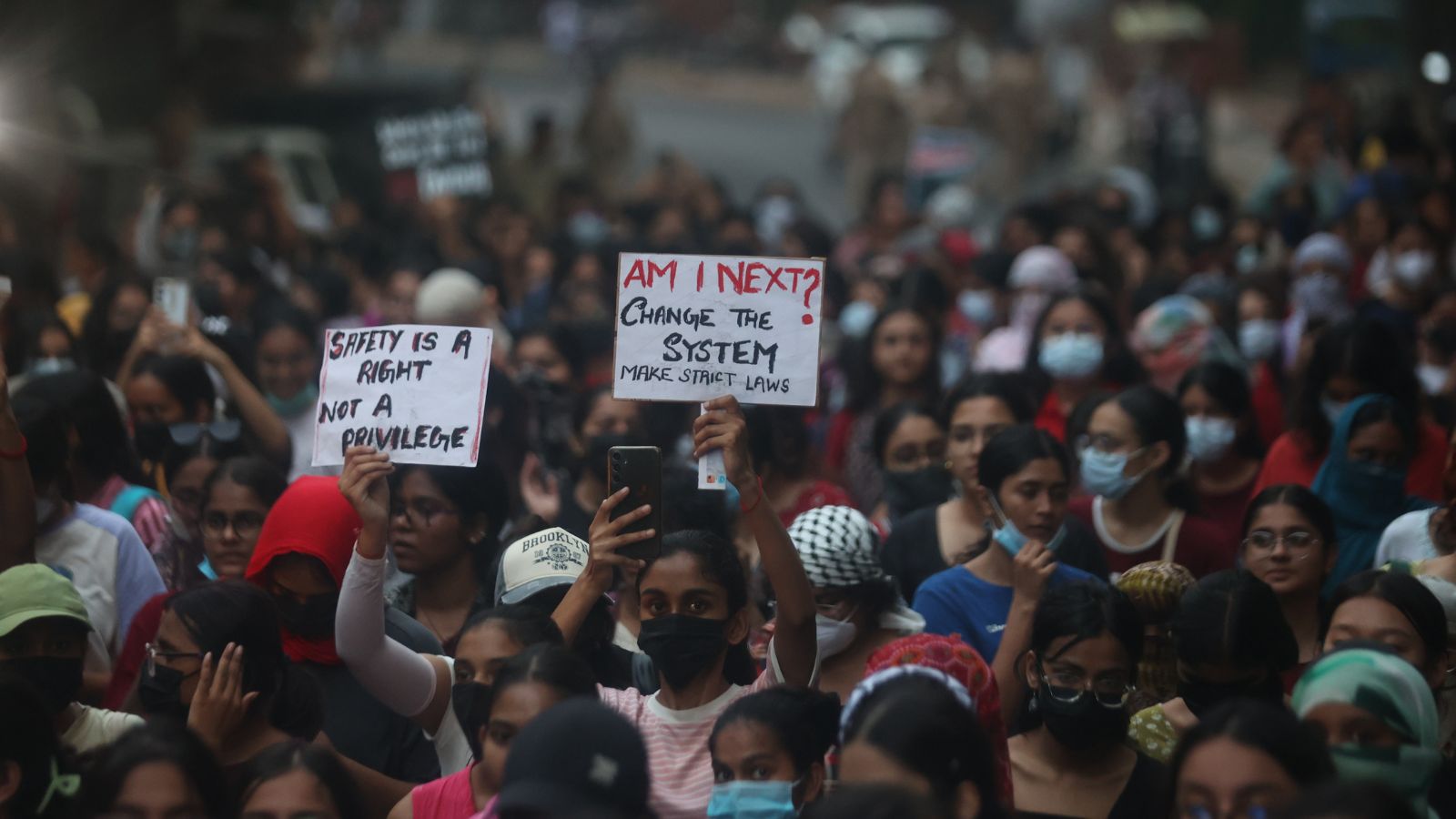
The writer remembers feeling unsafe when she was seven years old.
She says a staff member at a swimming complex followed her in a way that frightened her.
Her parents listened to her, although some relatives later said she could not have understood what happened.
As an adult, she also noticed unwanted attention from older men.
She then read about a seven-year-old rape survivor whose judge praised her for speaking up.
The judge said the court could not give the child her childhood back but had heard her words.
The writer says girls should not be taught that their clothes or bodies cause violence.
She believes society should focus on stopping people from hurting others instead of teaching girls to avoid harm.

The writer recalls feeling threatened by a swimming-complex staff member at age seven and immediately telling her parents.
She says unwanted attention from older men continued later in life, including behavior presented as concern or affection.
A Delhi High Court judge sent an encouraging message to a seven-year-old rape survivor after announcing the verdict in her case.
The writer argues that girls’ accounts of gendered harm are often dismissed and subjected to victim-blaming.
National Crime Records Bureau data cited in the article shows that most POCSO cases involved offenders known to the child, not strangers.
- Who
- The writer, a seven-year-old rape survivor, the Delhi High Court judge, and the adults discussed in the article.
- What
- The article reflects on girls’ experiences of unwanted male attention, a child sexual-assault case, and society’s tendency to question victims.
- Where
- The case was addressed by the Delhi High Court; the writer’s childhood incident occurred at a swimming complex.
- When
- The survivor’s case involved an incident in July 2023; the article also cites the National Crime Records Bureau’s Crime in India 2024 Report.
- Why
- The writer argues that society should prevent violence and believe children rather than ask whether a girl’s clothes, body, or behavior caused the abuse.
Trusting Children and Preventing Violence
Dismissing or Reframing Children’s Accounts
Whether a child can recognize improper behavior
Trusting Children and Preventing Violence
The writer and the judge treat the child’s account and ability to identify the accused as credible and courageous.
Dismissing or Reframing Children’s Accounts
Some of the writer’s relatives argued that a seven-year-old could not have understood the swimming-complex incident and believed the staff member was protecting her.
Who should carry responsibility for safety
Trusting Children and Preventing Violence
The writer says society should prevent violence rather than instruct girls about clothing, public behavior, or avoiding unwanted contact.
Dismissing or Reframing Children’s Accounts
The experiences described in the article reflect a social expectation that girls must develop personal rules and caution to manage male behavior.
Key facts
- Case incident
- The article says the minor survivor’s case concerned an incident from July 2023, when she was seven.
- Court response
- The Delhi High Court ordered that the judge’s personal message be delivered to the child along with compensation.
- Judge’s message
- The judge praised the child’s courage in identifying the accused, recounting the truth, and speaking up.
- NCRB data
- The article cites 44,126 cases under Sections 4 and 6 of the POCSO Act, of which 1,492 involved an unknown or unidentified offender.
- Writer’s childhood
- At age seven, the writer felt threatened by a swimming-complex staff member and told her parents.
- Article’s conclusion
- The writer says women need a societal handbook to prevent violence, not instructions for avoiding it.
Sources
Related news

'Beta': Delhi High Court backs judge's encouragement letter to survivor

Delhi High Court Upholds Acquittal in Rape Case

Delhi High Court Reverses Acquittal in Four-Year-Old's Rape Case

UK Teenager Sentenced After Stabbing Girl Who Rejected His Advances

Family Acquaintance Arrested in Jaipur Rape Case Involving Five-Year-Old

Bihar Minors’ Assault Videos Go Viral, Prompting Police Investigation
Uttarakhand High Court Upholds Conviction, Reduces Rape Sentence
DNA Evidence Cited in Delhi Sleeper Bus Gang-Rape Chargesheet

Delhi Minor Rape Case: Video Blackmail Allegedly Breaks Marriage

Granite Baron Booked Under POCSO in 2004 Suicide Case
