1 day ago
The Silence That Makes Room for Sexual Violence

The author says rape is caused by the person who chooses to commit it.
A survivor’s clothes, actions, or decision to go somewhere do not make the crime her fault.
When someone sees a person in danger, they can seek help or safely bring others over.
Recording an assault without helping does not protect the person.
The essay also describes student protests after reports of an assault at Lovely Professional University.
The university called the reports rumours, and police said they found no evidence to support the allegation.
The author wants boys to learn about consent and wants survivors to be treated with care.
The essay says everyone can help make it harder for violence and silence to continue.

The author argues that rape is a perpetrator’s choice and that responsibility belongs to the person who commits it, not the survivor.
The essay urges witnesses to seek help or safely intervene, warning that filming or looking away does not protect survivors.
It rejects victim-blaming, saying clothing, behavior, marriage, or the time and place a woman is out do not constitute consent.
At Lovely Professional University, students protested reports of a sexual assault; the university called the reports rumours, while police said they found no evidence substantiating the allegation.
The author calls for boys to learn consent, institutions to support survivors, and courts to establish facts without subjecting survivors to repeated trauma.
- Who
- The author discusses survivors of sexual violence, perpetrators, witnesses, institutions, and students who protested at Lovely Professional University.
- What
- An opinion essay argues that perpetrators are responsible for rape and calls for witnesses and institutions to support survivors and challenge silence.
- Where
- The essay discusses Delhi, New York, Lovely Professional University, and Aastha Kunj Park in Delhi.
- When
- The essay refers to the 2012 Delhi bus rape, events and reports in 2024, and a recent student march; it does not give a publication date.
- Why
- The author says public silence, victim-blaming, and institutional failures can leave survivors unsupported and allow perpetrators to evade accountability.
Students’ concerns
University and police statements
Reports of assault at Lovely Professional University
Students’ concerns
Students protested reports that a woman student had been sexually assaulted and sought to have their concerns heard.
University and police statements
The university called the reports rumours; police said they found no evidence to substantiate the allegation. The essay says the facts must be established fairly.
Key facts
- Author’s central argument
- Rape is committed by the perpetrator; survivors are not responsible for the crime.
- Witness response urged
- When safe, call for help, make noise, draw others in, or stay with the survivor.
- Consent
- The essay says clothing, marriage, or a person’s behavior do not amount to consent.
- Lovely Professional University
- Police registered an FIR based on student statements, then said they found no evidence substantiating the allegation; the university called the reports rumours.
- Delhi protest
- Students marched after the alleged gang rape of a teenager at Aastha Kunj Park, calling for safer streets and freedom of movement.
- 2012 Delhi case
- The essay recalls the rape of a young woman on a bus by six men and the protests that followed.
- Proposed changes
- The author calls for teaching boys consent, caring treatment at police stations, witness action, and fair court proceedings.
Sources
Related news
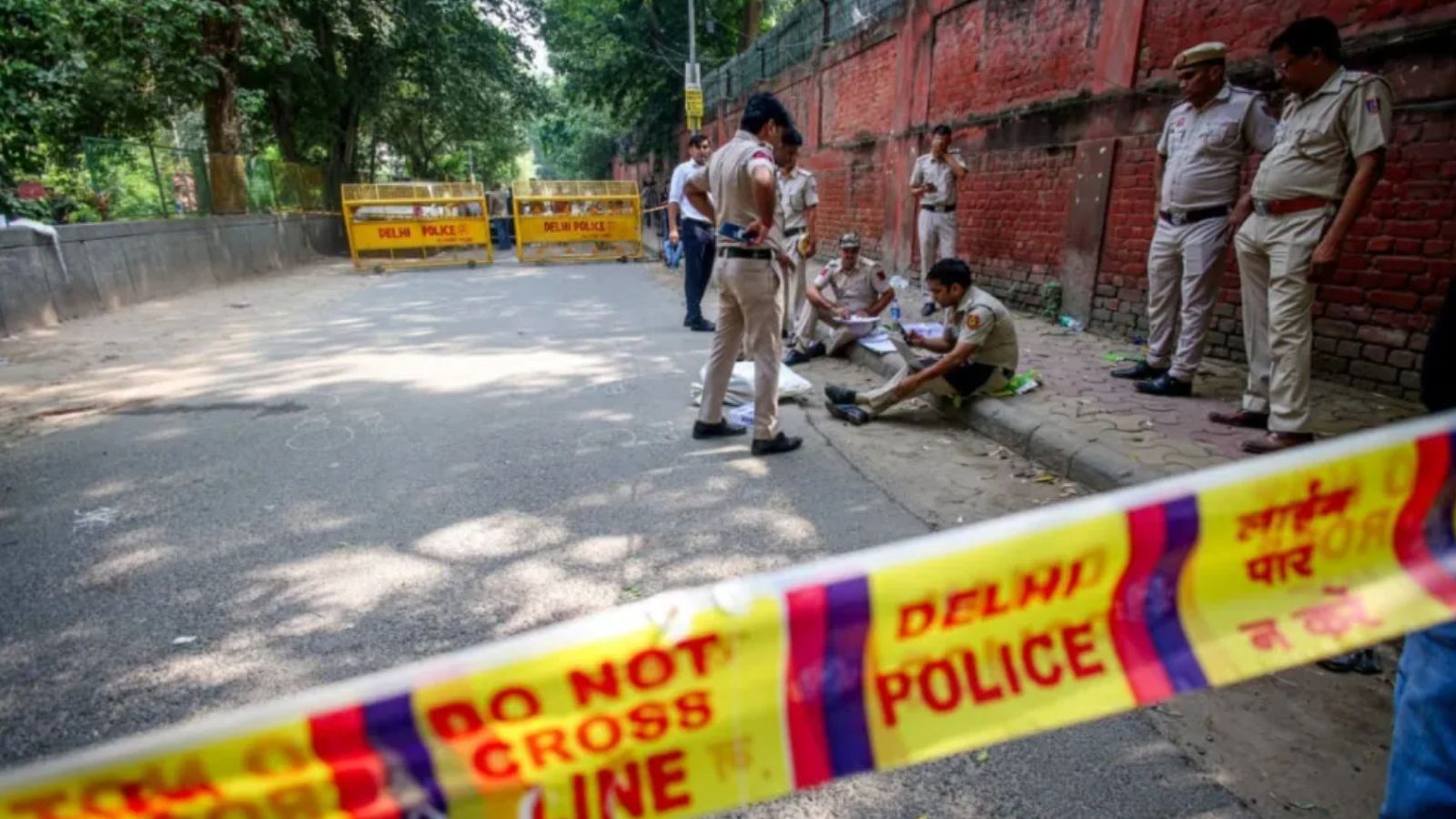
LSR Students Demand Safety After Rape and Shooting
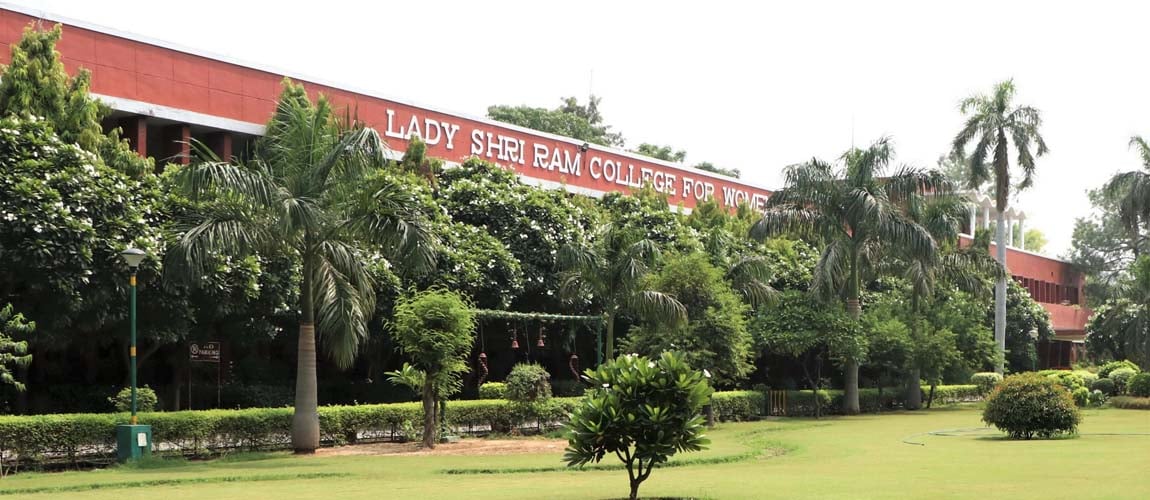
Women’s Freedom Shrinks Outside Lady Shri Ram College
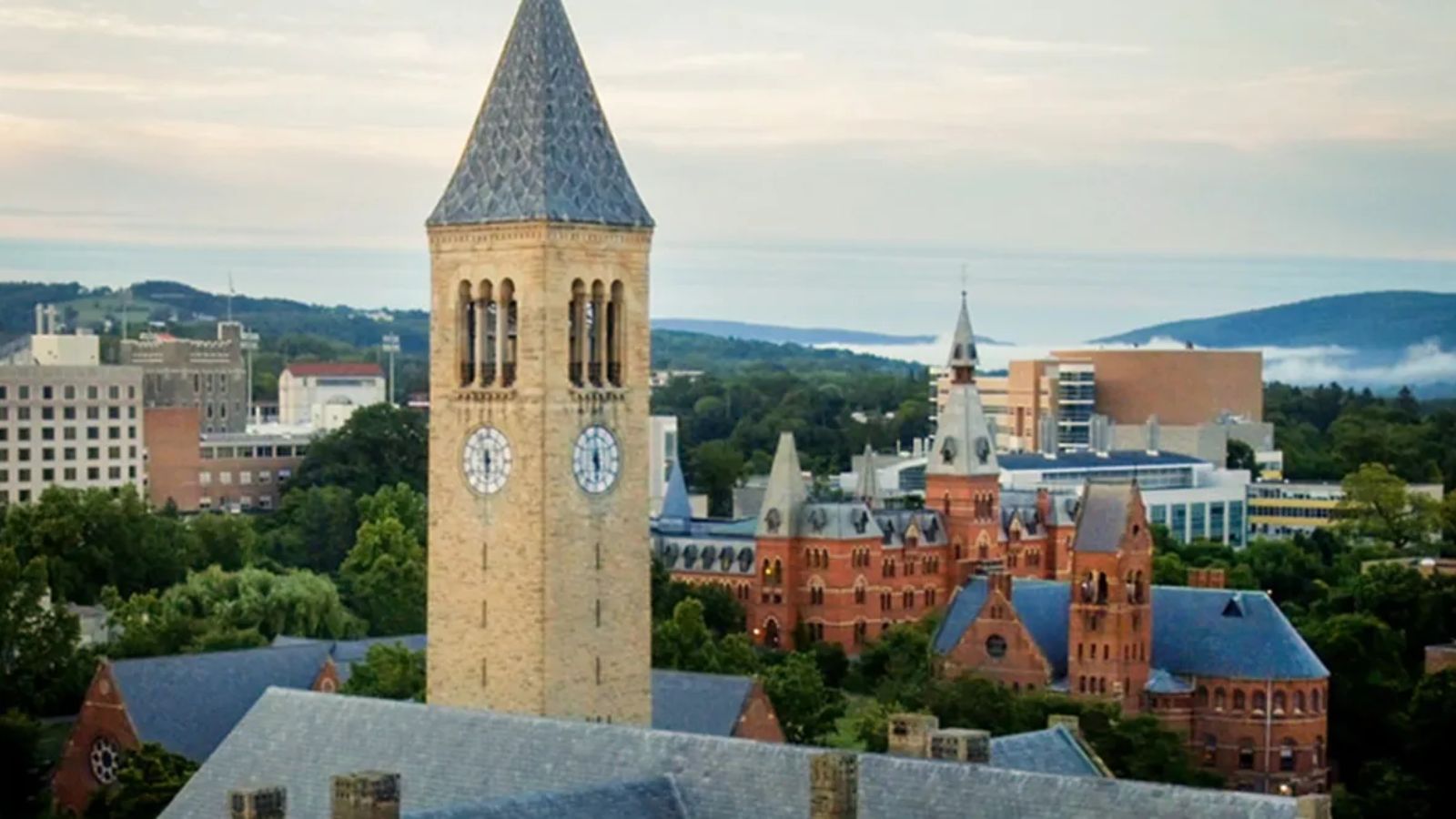
Cornell Case Prompts Mother to Discuss Speaking Up
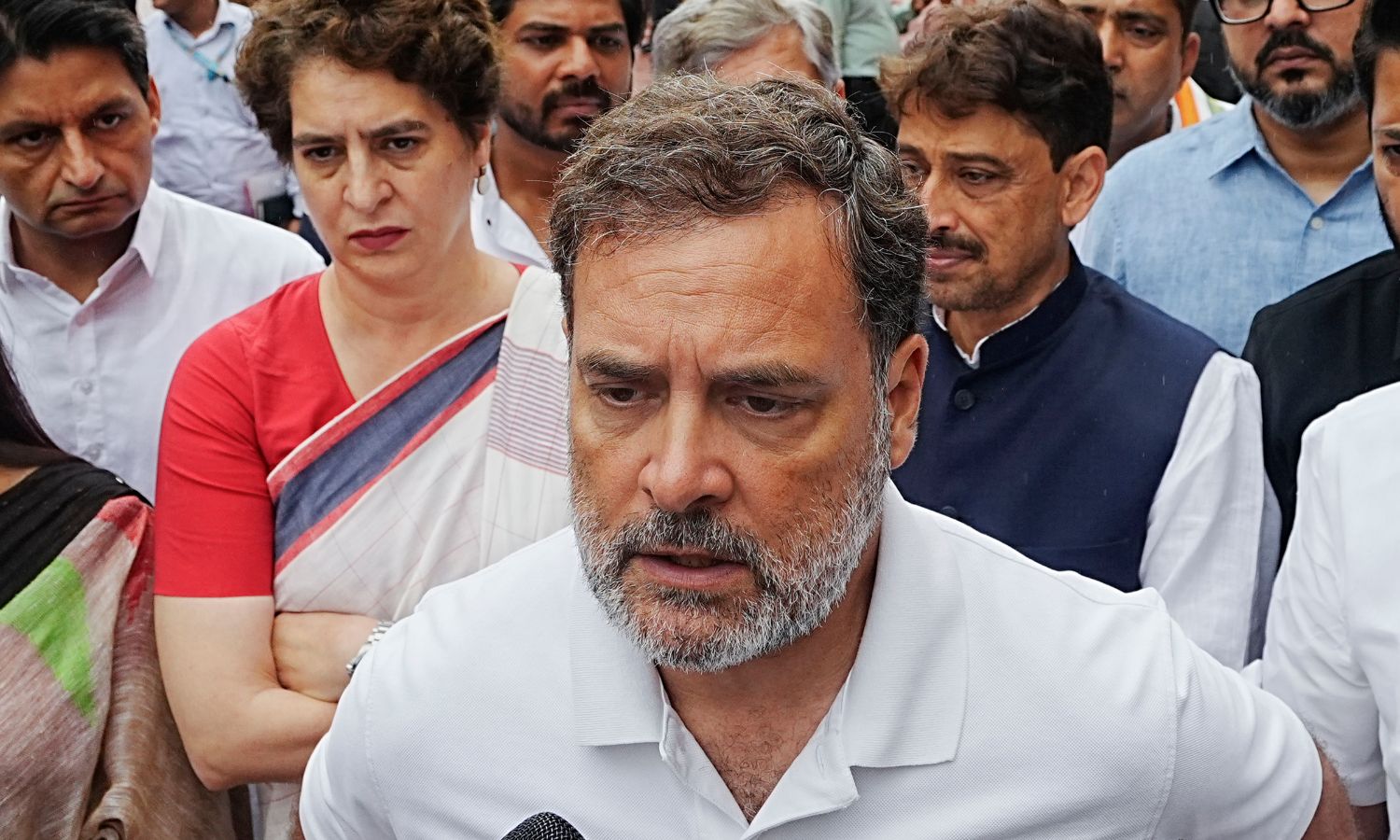
Rahul Gandhi Urges Youth Protest Against Violence Toward Women
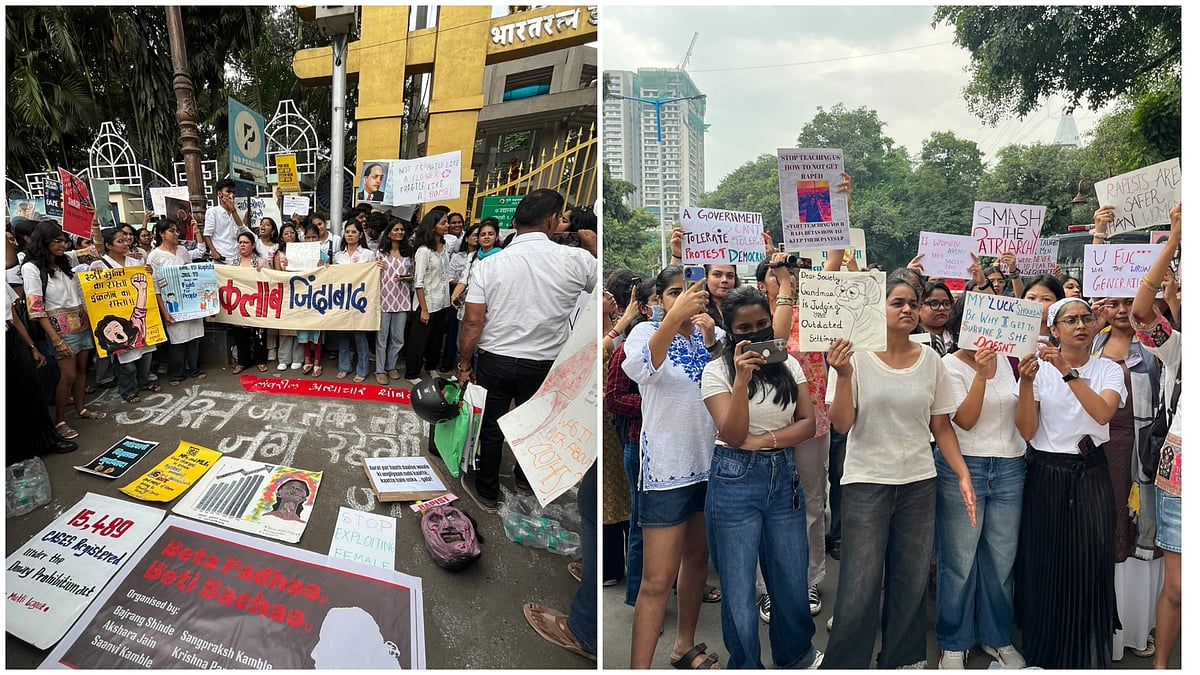
Pune Women Protest Sexual Violence, Demand Swift Justice
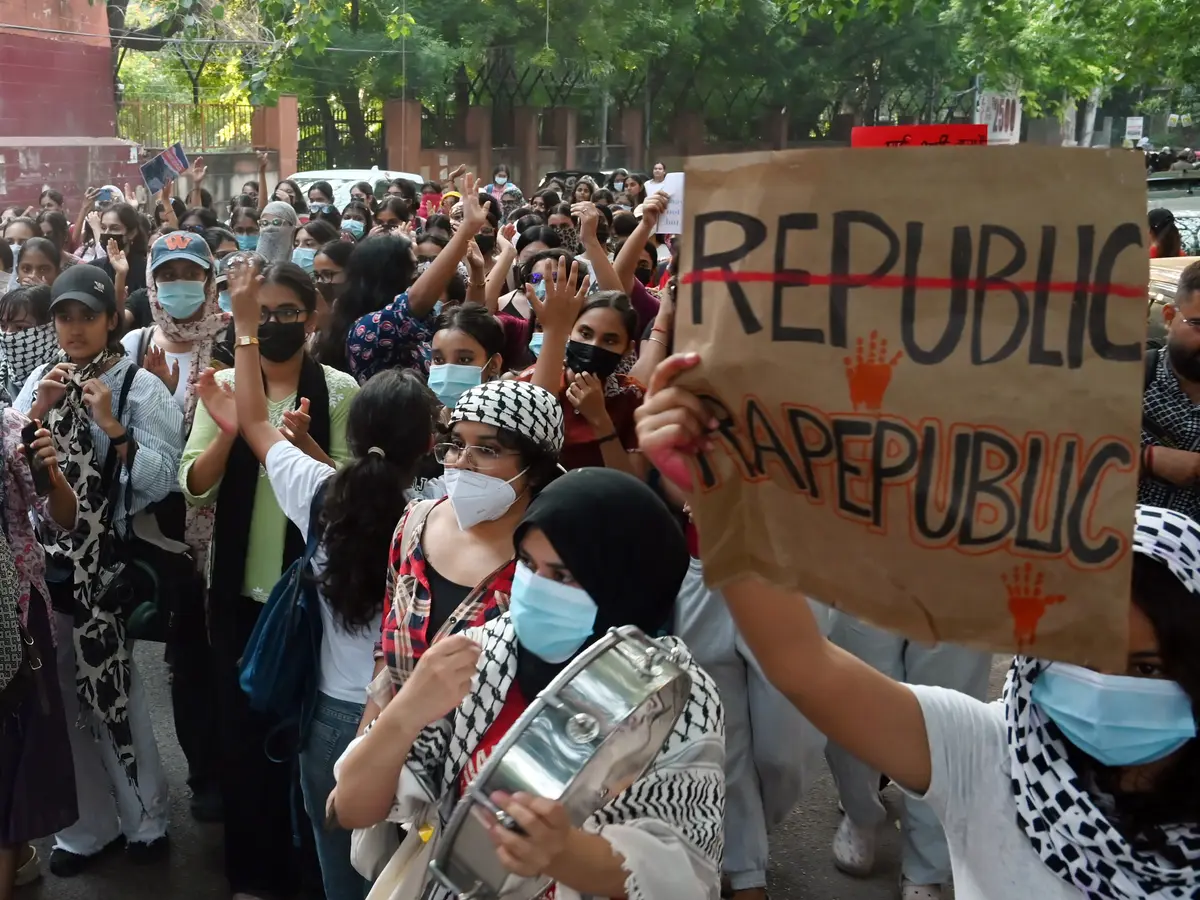
Delhi Teen’s Alleged Gang Rape Prompts LSR Safety Protest
Piyush Mishra Criticizes Naseeruddin Shah Over Selective Activism
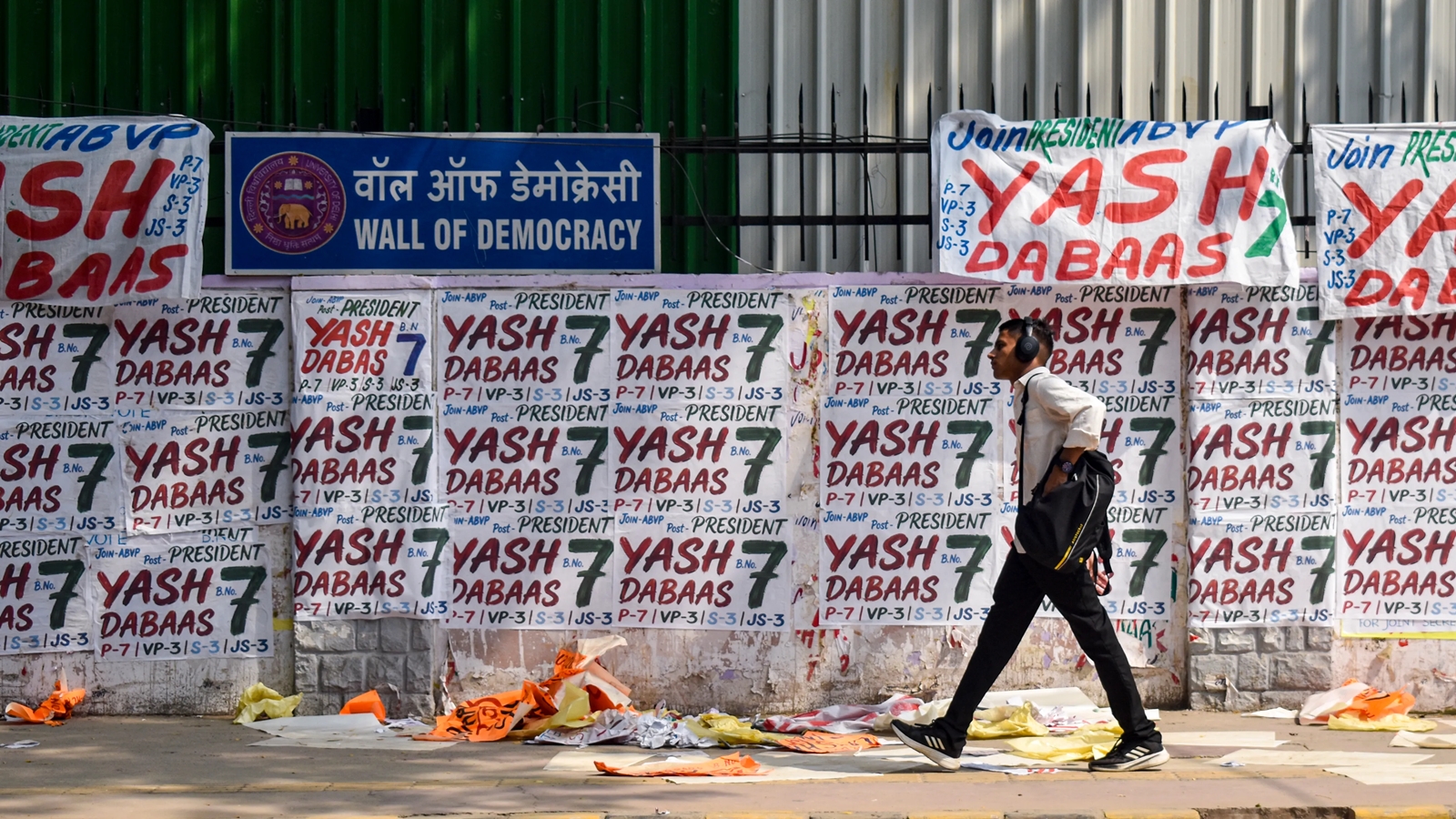
Why States Are Bringing Student Union Elections Back
Punjab Police Arrest 11, Identify 28 After Campus Unrest

Nine Held After Lovely Professional University Campus Violence