22 hrs ago
Delhi High Court Upholds Acquittal in Rape Case

A woman in Delhi accused her neighbour of raping her in 2006.
She told her brother and gave statements to the police and a magistrate.
She later died by suicide before she could speak in court.
Her death note reportedly linked her decision to shame caused by the incident.
The trial court acquitted the accused in 2009.
The prosecution appealed, saying the available evidence supported the case.
The High Court said the evidence suggested a strong possibility of rape but was not enough to overturn the acquittal.
The court also said survivors need sympathy, safety, and medical, psychological, and social support.

The Delhi High Court upheld the acquittal of a man accused of raping a young woman in May 2006.
The woman died by suicide about three months after the alleged incident, before she could testify in court.
The court said the evidence indicated a strong possibility of rape but could not be corroborated in her absence.
The prosecution relied on her police and magistrate statements, death note, medical evidence, and family testimony.
The ruling highlighted the social stigma and lack of support often faced by rape survivors.
- Who
- The Delhi High Court, the State prosecution, an accused neighbour, and a young woman who later died by suicide.
- What
- The High Court upheld the man's acquittal in a rape case while discussing the vulnerability of women and the effects of stigma.
- Where
- The alleged offence occurred at the woman's jhuggi in Delhi, and the appeal was heard by the Delhi High Court.
- When
- The alleged rape occurred in May 2006; the trial court acquitted the accused in 2009; the High Court order was dated September 28.
- Why
- The court found that the evidence suggested a strong possibility of rape but could not be sufficiently corroborated because the woman was unavailable to testify.
Prosecution and Court Concerns
Accused's Defense and Judicial Standard
Strength of the evidence
Prosecution and Court Concerns
The State argued that the woman's statements, death note, medical evidence, and family members' testimony established the rape allegation.
Accused's Defense and Judicial Standard
The accused argued that the woman's testimony was unavailable, the remaining evidence contained contradictions, and there was no conclusive scientific evidence linking him to the offence.
Outcome of the appeal
Prosecution and Court Concerns
The prosecution challenged the 2009 acquittal and relied on the available circumstantial and documentary evidence.
Accused's Defense and Judicial Standard
The High Court upheld the acquittal, finding that the evidence could not be sufficiently corroborated in the woman's absence.
Treatment of survivors
Prosecution and Court Concerns
The court emphasized that women, especially young girls, can be vulnerable and may face shame, ostracisation, and insufficient family or social support.
Accused's Defense and Judicial Standard
The legal outcome reflected the requirement for adequate proof, even where the court acknowledged a strong possibility that the alleged offence occurred.
Key facts
- Alleged incident
- May 2006
- Location
- A jhuggi in Delhi
- Relationship
- The accused was described as the woman's neighbour
- Trial outcome
- The accused was acquitted in 2009 after the trial court examined 18 prosecution witnesses
- Evidence cited
- Statements to police and a magistrate, a death note, medical evidence, and family testimony
- High Court finding
- The evidence showed a strong possibility of rape but was not sufficiently corroborated
- Court observation
- The court said rape can cause physical, psychological, and mental harm and that survivors may face stigma and inadequate support
Quotes
Delhi High Court
The court hearing the State’s appeal against the accused’s acquittal
“Ignominy, with all its synonyms like disgrace, dishonour, shame, humiliation, odium, disrepute, scandalisation, stigma, and opprobrium, is faced, lived, and undergone by a victim of rape. Then, if the family’s medical, psychological, and social support is not there, then life virtually becomes a living hell, and at times the victim, instead of resorting to legal recourse, finds it easy to end her own life.”
 indianexpress.com
“Physical violation is not the sole violation; rather be a kind of soul violation which takes place in an offence of rape, as it transcends the physical boundaries and enters into the psychological and mental realm as well.”
indianexpress.com
Sources
Related news
A Society’s Duty Is Preventing Violence Against Girls

Delhi High Court Orders Pregnancy Termination for Rape Survivor

Delhi High Court Reverses Acquittal in Four-Year-Old's Rape Case
'Beta': Delhi High Court backs judge's encouragement letter to survivor

Delhi Police Arrest Four Over Teen Girl’s Alleged Rape-Murder
Delhi Police Arrest Four Over Teen’s Alleged Gang-Rape Murder
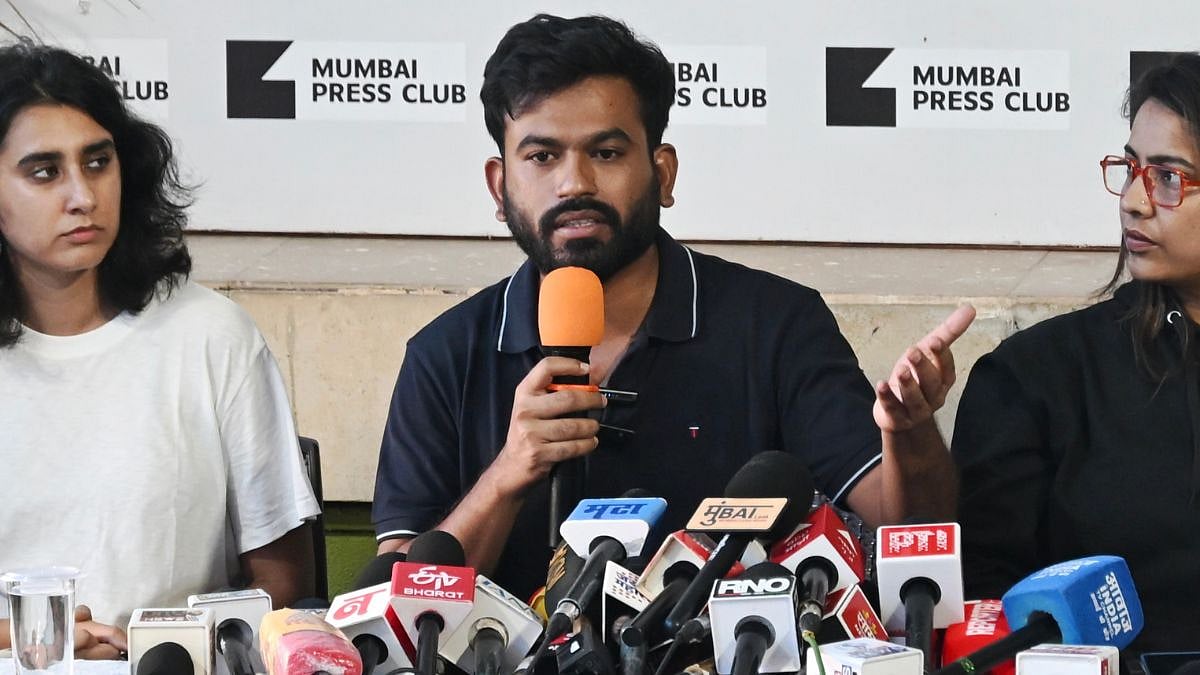
Mumbai CJP Protest Targets CEC Over Electoral Rolls, SIR

Fuel Prices Hold Steady as Crude Oil Tops $102

CJP Protest Faces Delhi Curbs as NCERT Textbook Debates Governance

Mamata Banerjee’s Delhi Press Conference Disrupted by Lawn Mower

Chanakyapuri Neighbourhood Takes a Different Route to Zero Waste