

3 hrs ago
BRICS Pushes Global Economic Governance Reform Through Deeper Integration
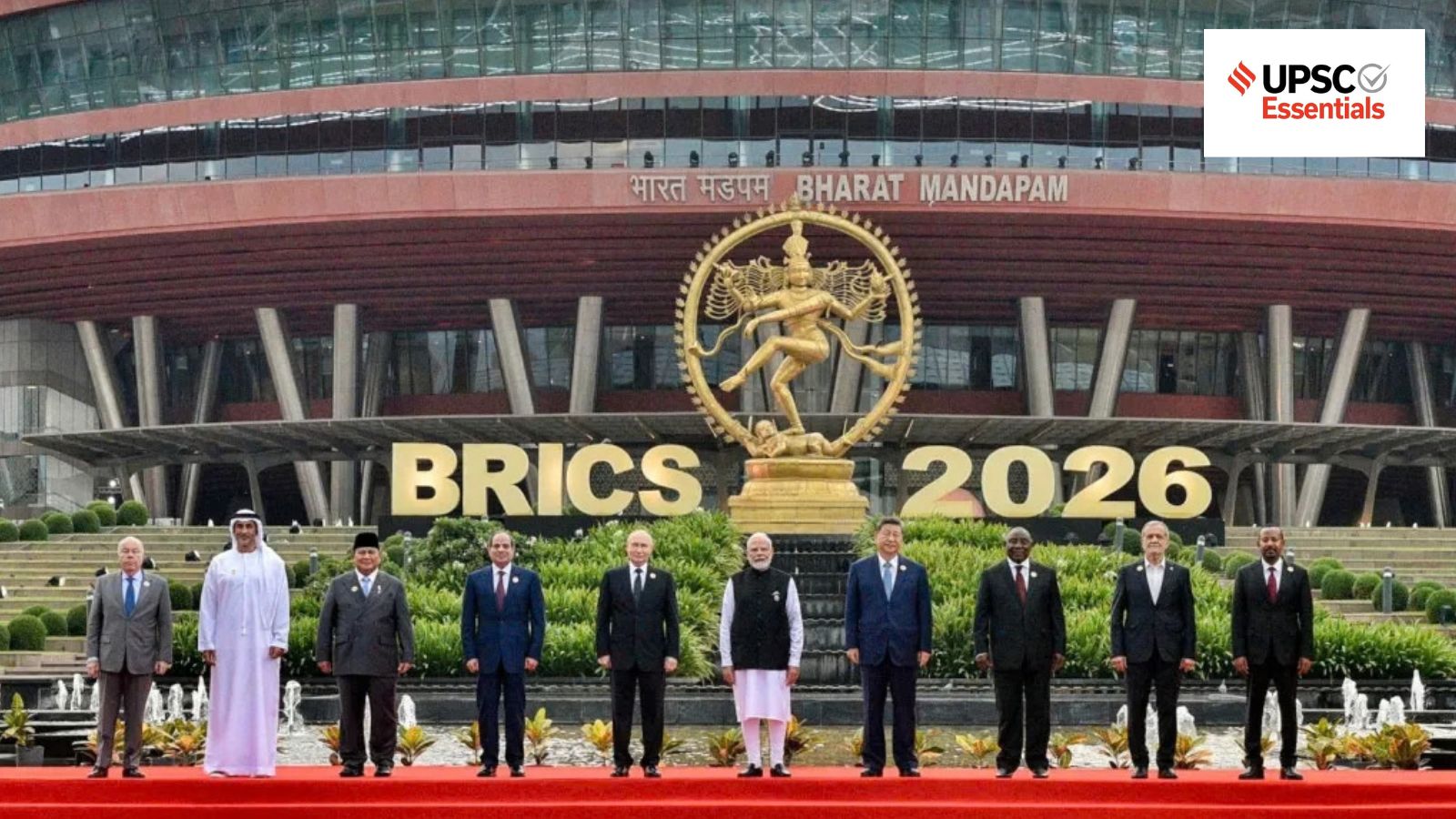
BRICS is a group of countries that wants developing countries to have a stronger voice in the world economy.
Its members say global economic rules should be changed to better reflect the growing importance of the Global South.
BRICS countries have grown faster than the world economy on average.
They are working together on trade, technology, investment and payment systems.
The group has created the New Development Bank to help finance projects.
It also has a reserve arrangement that could provide emergency financial support, although it has not been used.
Trade among BRICS members is still smaller than their overall economic strength.
The article says the members may need stronger trade agreements and payment systems using national currencies.
Better relations between India and China could help BRICS cooperate more closely.

The 18th BRICS Summit’s Delhi Declaration reaffirmed reform of global economic governance as a central priority.
BRICS members condemned unilateral economic and secondary sanctions and highlighted cooperation on digital transformation, global value chains and cross-border payments.
The ten BRICS members accounted for 28% of global GDP in 2024, while the group’s combined share reached nearly 40% on a purchasing-power-parity basis.
The New Development Bank has approved 139 projects worth about $43 billion, while the Contingent Reserve Arrangement has not yet been activated.
The article argues that deeper trade integration, alternative payment mechanisms and improved India-China relations are crucial to BRICS’s future influence.
- Who
- BRICS member countries, with India and China described as especially important to the group’s economic integration.
- What
- The grouping is seeking reform of global economic governance and greater cooperation in trade, finance, technology, connectivity and development.
- Where
- Within BRICS and the wider Global South, including Asia, Africa and Latin America.
- When
- The discussion concerns the 18th BRICS Summit and India’s 2026 BRICS presidency, as described in the article.
- Why
- BRICS seeks to reflect the growing economic weight of the Global South and reduce dependence on existing global economic and financial arrangements.
Deeper BRICS Integration
Cautious, Sector-Based Cooperation
Trade agreement
Deeper BRICS Integration
Supporters argue that BRICS’s economic size and trade potential require serious discussions on a comprehensive trade agreement and binding market-access commitments.
Cautious, Sector-Based Cooperation
The grouping has so far favored non-binding commitments and sector-specific initiatives, while differences among members have prevented movement toward a comprehensive agreement.
Alternative financial architecture
Deeper BRICS Integration
BRICS could expand the New Development Bank, use national currencies for key commodity transactions and develop alternative development-cooperation mechanisms.
Cautious, Sector-Based Cooperation
A single BRICS currency is considered unlikely in the foreseeable future, and existing local-currency energy transactions remain mostly bilateral.
Connectivity cooperation
Deeper BRICS Integration
Aligning projects such as the Belt and Road Initiative, the International North-South Transport Corridor and the India-Middle East-Europe Economic Corridor could create a broader BRICS connectivity strategy.
Cautious, Sector-Based Cooperation
Different national priorities and disagreements— including India’s reservations about some Belt and Road projects—make coordination and common principles difficult.
Key facts
- Summit declaration
- The Delhi Declaration said reform of global economic governance remains a consistent BRICS priority.
- BRICS GDP share
- The ten BRICS members accounted for 28% of global GDP in 2024 and nearly 40% on a purchasing-power-parity basis.
- Economic growth
- BRICS economies grew by an average of about 6.2% annually from 2003 to 2024, compared with about 3% globally.
- New Development Bank
- The bank has approved 139 projects worth around $43 billion since its establishment in 2015.
- Contingent Reserve Arrangement
- The $100 billion arrangement has not been activated because no member has faced a crisis requiring it.
- Trade integration
- Intra-BRICS trade accounted for about 5% of global trade and 20% of South-South trade in 2024.
- India-China relationship
- The article identifies improved India-China relations as potentially important for deeper BRICS economic integration.
Quotes
Delhi Declaration of the 18th BRICS Summit
Official declaration issued by BRICS leaders at the 18th summit
“reform of global economic governance remains a consistent BRICS priority.”
 indianexpress.com
Sources
Related news
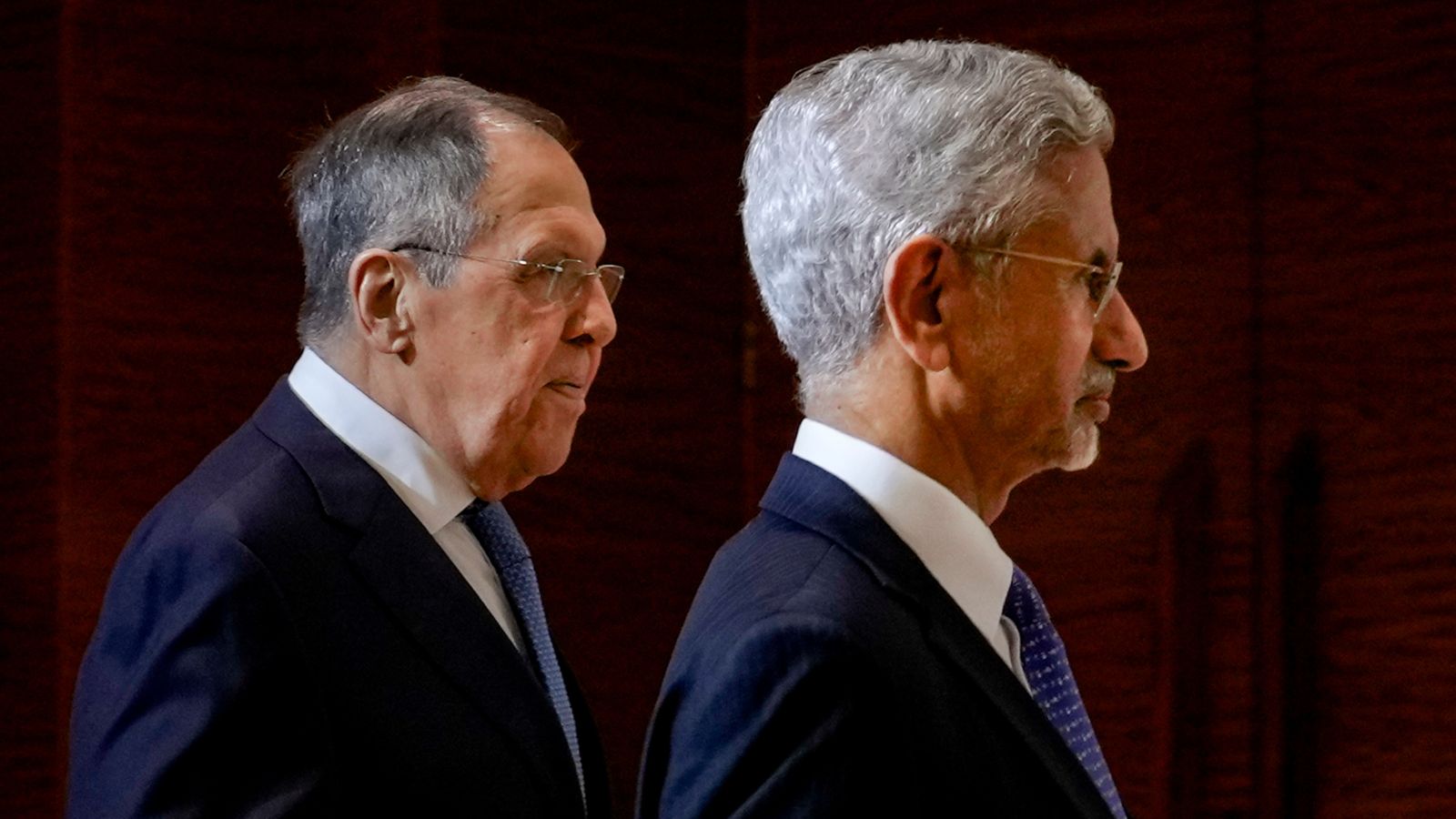
BRICS Offers India a Bridge Across the Global South
India’s BRICS Summit Plan Targets Trade, AI, Energy, Global South
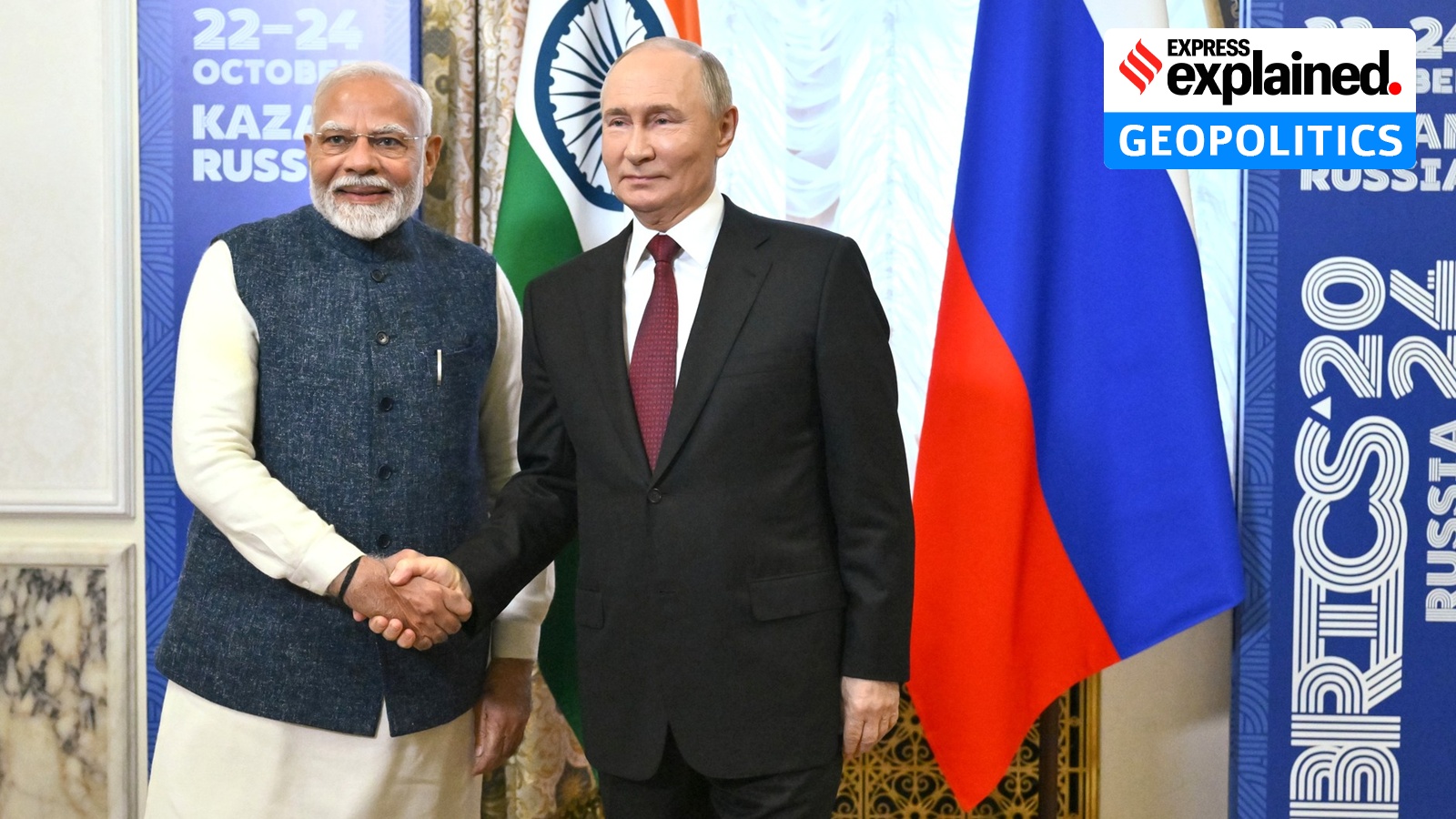
India Seeks Practical BRICS Agenda Beyond Confronting West

India Puts Global South at Centre of BRICS Summit
BRICS Evolves From Four-Economy Concept to 11-Member Platform
India's BRICS Presidency Must Turn Advocacy Into Delivery
Delhi CM Launches Solar Portal to Benefit 2.3 Lakh Homes
Seven-Member Odisha Family Killed in Madhya Pradesh Cremated
Bihar Minister Defends Law and Order After Jamui Harassment
Rajasthan BJP Claims Local Polls Show Public Confidence
Haryana CM Calls for People’s Movement Against Punjab Drug Menace
