

1 month ago
Reusing plastic bottles may harm health
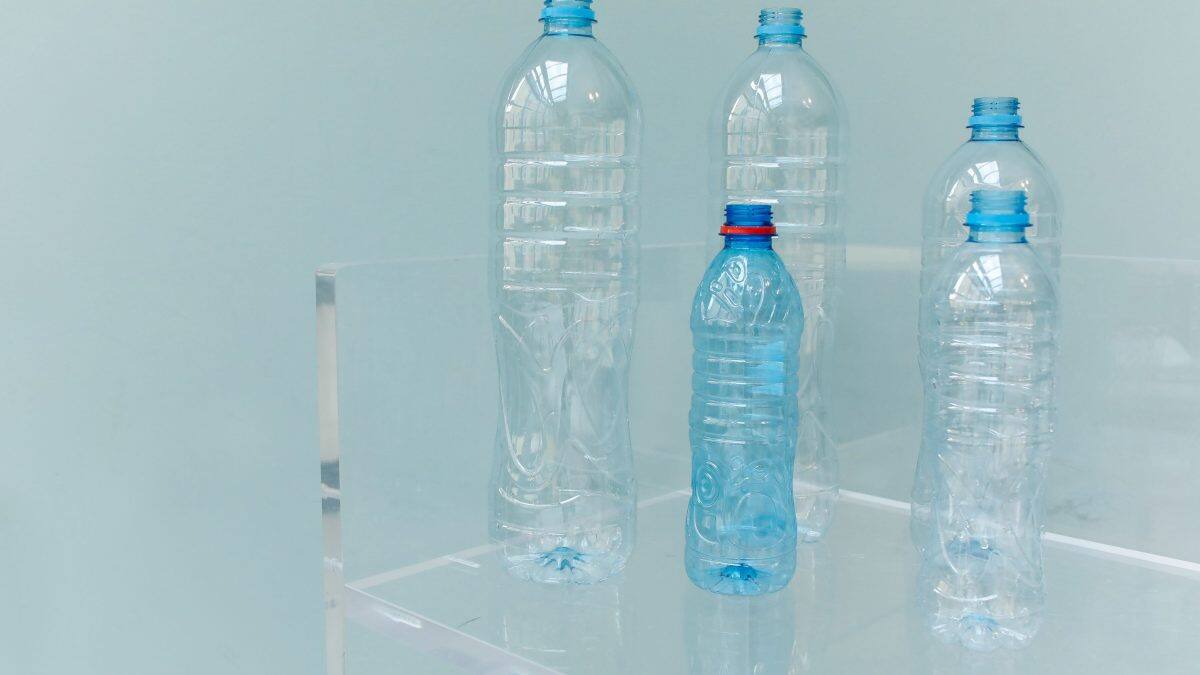
Reusing plastic water bottles might seem like a good idea because it's convenient and saves money.
However, health experts warn that these bottles can release harmful chemicals like BPA and phthalates, which can cause health problems such as high blood pressure, diabetes, and issues with fertility.
Additionally, plastic bottles are hard to clean properly, which can lead to bacteria growing inside them and making you sick.
Studies show that people consume a lot of tiny plastic particles from these bottles every year.
Moreover, reusing single-use plastic bottles doesn't help the environment much because they still end up in landfills or oceans, and making new plastic bottles continues to harm the planet.
A better option is to use a reusable bottle made of stainless steel or another durable material, which is healthier, more cost-effective, and better for the environment.

Reusing plastic water bottles can release harmful chemicals like BPA and phthalates, which are linked to various health issues.
Plastic bottles are difficult to clean thoroughly, leading to bacterial buildup that can cause gastrointestinal illness.
Studies show that the average person consumes between 39,000 and 52,000 microplastic particles per year from single-use plastic bottles.
Reusing single-use plastic bottles delays their disposal, contributing to environmental pollution and the ongoing production cycle of plastic.
Using a reusable bottle made of stainless steel or another durable material is a healthier, more cost-effective, and environmentally friendly alternative.
- Who
- General public, health experts
- What
- Health and environmental risks of reusing plastic water bottles
- Where
- Global issue, particularly in areas with high plastic usage
- When
- Ongoing concern with increasing awareness
- Why
- Chemical leaching, bacterial buildup, and environmental pollution from plastic bottles
Health and Environmental Concerns
Convenience and Cost-Effectiveness
Chemical Leaching
Health and Environmental Concerns
Reusing plastic bottles can lead to chemical leaching, including suspected carcinogens and endocrine disruptors, which can have serious health implications.
Convenience and Cost-Effectiveness
Plastic bottles are convenient and cost-effective for many people, providing a quick and easy way to stay hydrated.
Bacterial Buildup
Health and Environmental Concerns
Plastic bottles are difficult to clean thoroughly, leading to bacterial buildup that can cause gastrointestinal illness.
Convenience and Cost-Effectiveness
With proper cleaning, plastic bottles can be reused multiple times without significant bacterial issues.
Environmental Impact
Health and Environmental Concerns
Reusing single-use plastic bottles delays their disposal, contributing to environmental pollution and the ongoing production cycle of plastic.
Convenience and Cost-Effectiveness
Reusing bottles reduces the number of new bottles purchased, potentially lowering overall plastic waste.
Key facts
- Primary Material
- PET plastic
- Common Chemicals
- Acetaldehyde, antimony trioxide, Bisphenol A (BPA), phthalates
- Health Risks
- Increased blood pressure, type 2 diabetes, heart disease, endocrine disruption, male fertility issues, diabetes, metabolic disruption, neurodevelopmental issues in children
- Bacterial Risks
- Gastrointestinal illness, off taste
- Microplastic Consumption
- 39,000 to 52,000 particles per year
- Environmental Impact
- Plastic does not biodegrade well, contributing to long-term pollution
- Recommended Alternative
- Stainless steel or durable material bottles
Sources
Related news

ASUS Expands TUF Gaming Laptops in India With New Models

Gujarat launches DNA-based sports talent hunt for 2030 Commonwealth Games

Volvo ES90 And EX90 Electric Flagships Launch In India

Hindalco's Baphlimali Mine Becomes India's First ASI-Certified Bauxite Operation

Patriot Co-Producer Subhash George Booked in Crypto Fraud Case

Asus and Lenovo Googlebook Laptops Leak Ahead of IFA 2026

Avaada Electro Weighs Up to $800 Million India IPO

Crowded Field Circles Actis-Owned BluPine Energy in Sale

Inox Clean Energy Completes ₹6,000-Crore Acquisition of Vena Energy India

Inox Clean Energy Acquires 300 MWp Solar Projects
