2 hrs ago
Why India Needs BRICS to Balance Washington and Beijing
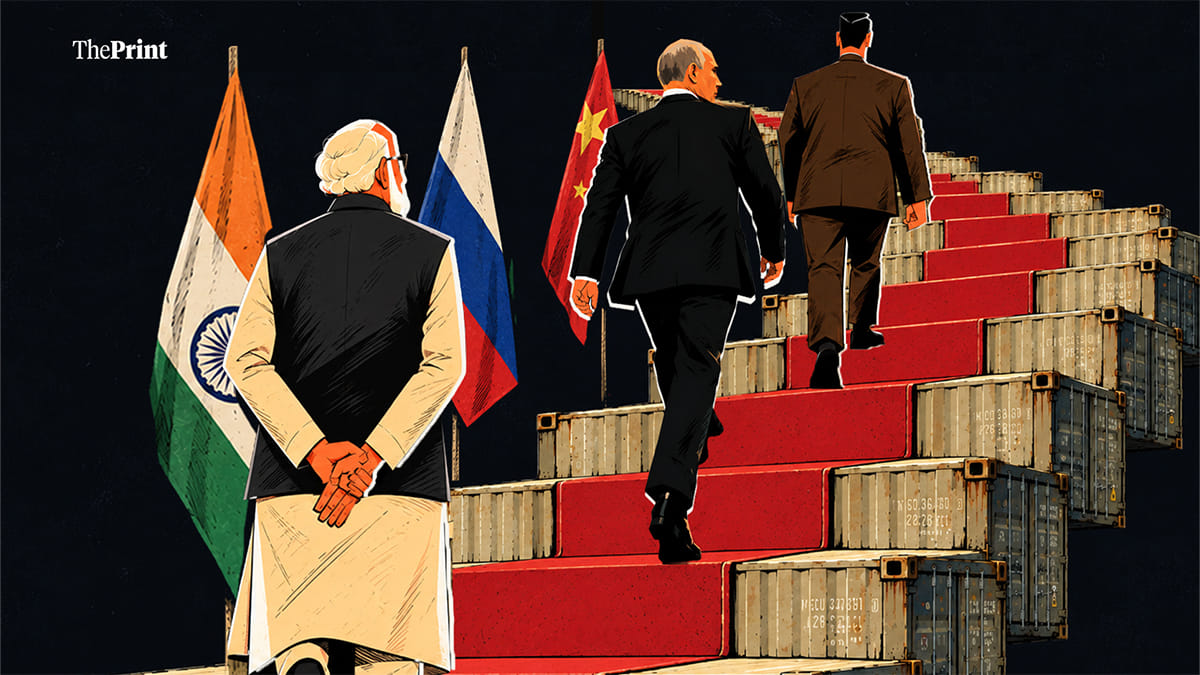
India has to deal with two very powerful countries: China and the United States.
Both countries can affect India’s trade, security, and economic growth.
Some people think India gains little from belonging to BRICS, especially because China is the strongest member.
The article says BRICS can still give India a place to influence China and work with other countries.
India’s membership may also make it harder for Pakistan to join the group.
BRICS has created a New Development Bank, although critics say its benefits have been limited.
India does not want to replace dependence on the United States with dependence on China.
The author believes India should stay in BRICS while improving its economy and negotiating carefully with all major powers.

The article argues India should remain in BRICS to balance China and the United States.
Critics say BRICS offers India few tangible benefits and is economically dependent on China.
India’s membership gives it influence inside a China-dominated forum and helps keep Pakistan out.
The New Development Bank is identified as BRICS’ main tangible achievement so far.
The author says India should use BRICS while pursuing internal reforms and stronger national capabilities.
- Who
- India, China, the United States, and the other BRICS member countries are central to the discussion.
- What
- The article argues that India should remain in BRICS as part of its strategy for balancing Washington and Beijing.
- Where
- The BRICS summit discussed in the article was held in India.
- When
- The discussion follows a BRICS summit held in India during a period described as a global economic and geopolitical reset.
- Why
- The author says BRICS helps India preserve strategic options, influence China, and prevent the organisation from becoming more threatening to Indian interests.
BRICS Critics
BRICS Supporters
Practical benefits
BRICS Critics
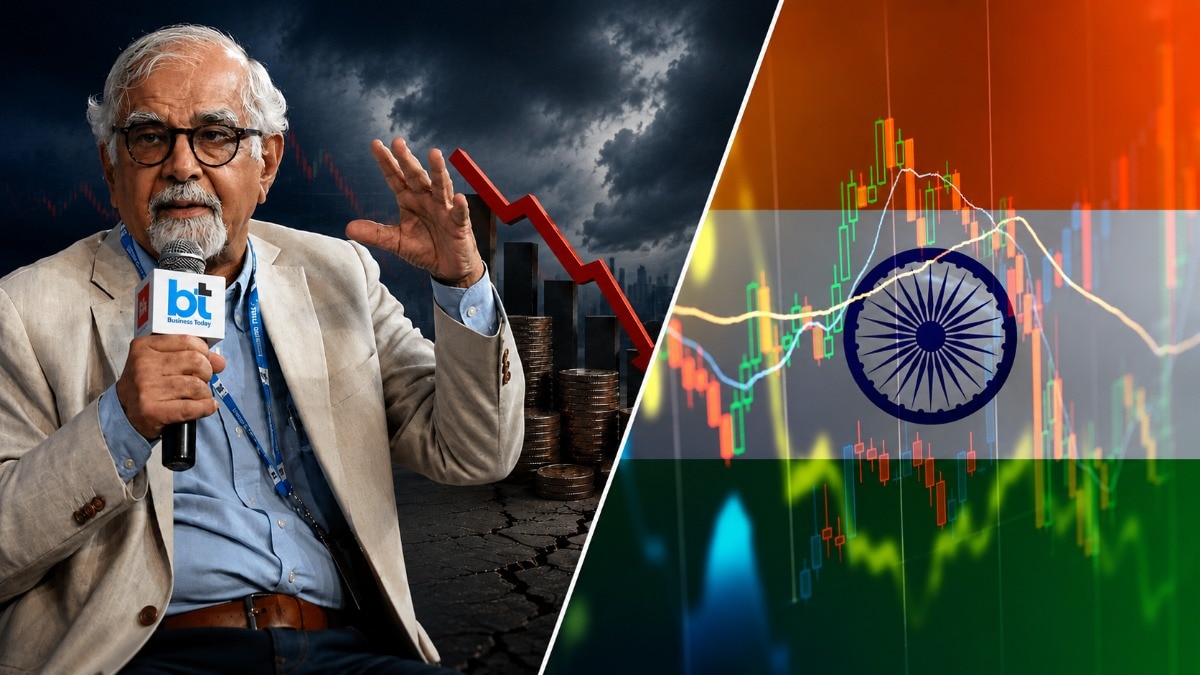
Former finance minister P Chidambaram argues that India has received few tangible benefits from BRICS and other international groupings.
BRICS Supporters
The author says benefits can emerge gradually through the New Development Bank, bilateral trade, and cooperation during a period of retreating globalisation.
China’s dominance
BRICS Critics
Economist Surjit Bhalla argues that BRICS’ economic performance is largely China’s and that India’s future lies more with the United States and Europe.
BRICS Supporters
The author argues that China’s dominance is not sufficient reason to leave, because India’s presence can constrain China and make BRICS less one-sided.
Strategic alignment
BRICS Critics
Critics question the usefulness of belonging simultaneously to BRICS, the Shanghai Cooperation Organisation, the G20, and the QUAD.
BRICS Supporters
The author says India should remain flexible, work with both Washington and Beijing, and avoid becoming dependent on either the dollar or the yuan.
Key facts
- BRICS membership
- The article says BRICS has 11 members, including Brazil, Russia, India, China, South Africa, Saudi Arabia, Iran, the United Arab Emirates, Ethiopia, Indonesia, and Egypt.
- BRICS origins
- The term was coined in a 2001 Goldman Sachs report referring to Brazil, Russia, India, and China.
- Main achievement
- The New Development Bank, created in July 2014, is described as BRICS’ only clearly tangible benefit so far.
- Main criticism
- Critics argue that BRICS is too diverse, lacks shared values and economic convergence, and depends heavily on China’s economic performance.
- India’s strategic concern
- The article says India wants to avoid replacing dependence on the dollar and the United States with dependence on the Chinese yuan.
- Alternative groupings
- India is also described as a member of the Shanghai Cooperation Organisation, the G20, and the QUAD.
Quotes

P. Chidambaram
Former Indian finance minister and critic of India’s participation in BRICS and other international groupings
“We are part of BRICS, we are part of SCO, we are part of G20, and we are part of QUAD. What benefits are we getting out of that? I can’t see. In the last two or three summits, I didn’t see any benefits. Earlier, the BRICS Summits resulted in some tangible benefits.”
 theprint.in
Sources
Related news
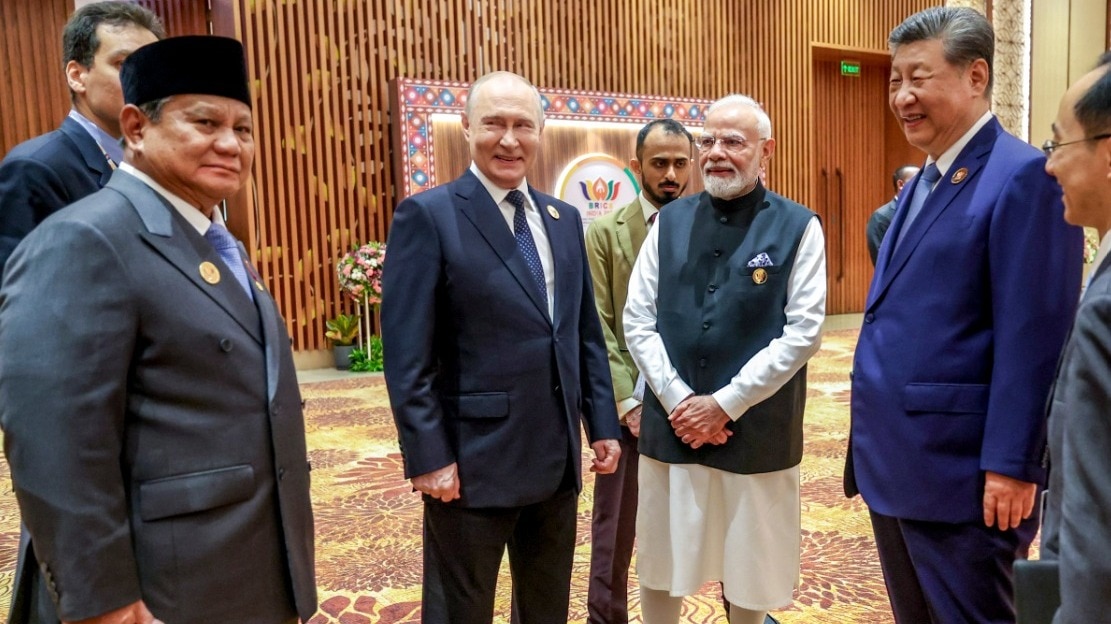
BRICS remains India's hedging tool amid possible G2, G3

India Seeks Global South Voice Without Making BRICS Anti-West
BRICS Faces Credibility Test Over De-dollarisation and China’s Influence

BRICS Gives India Strategic Room to Maneuver
Ex-Diplomat Warns Trump May Misinterpret BRICS as Anti-West

Expanded BRICS Faces Unity Test At India Summit
India's BRICS Gains Mask China's Dominance and Export Weakness
BRICS Declaration Criticizes Sanctions, Names Israel, Preserves India’s Balancing Act
SBI Research Defends India’s 7.8% GDP Growth Estimate
GDP Critics Question India Data as Reforms Support Growth