1 week ago
Harvard Advises International Students Ahead of US Visa Changes

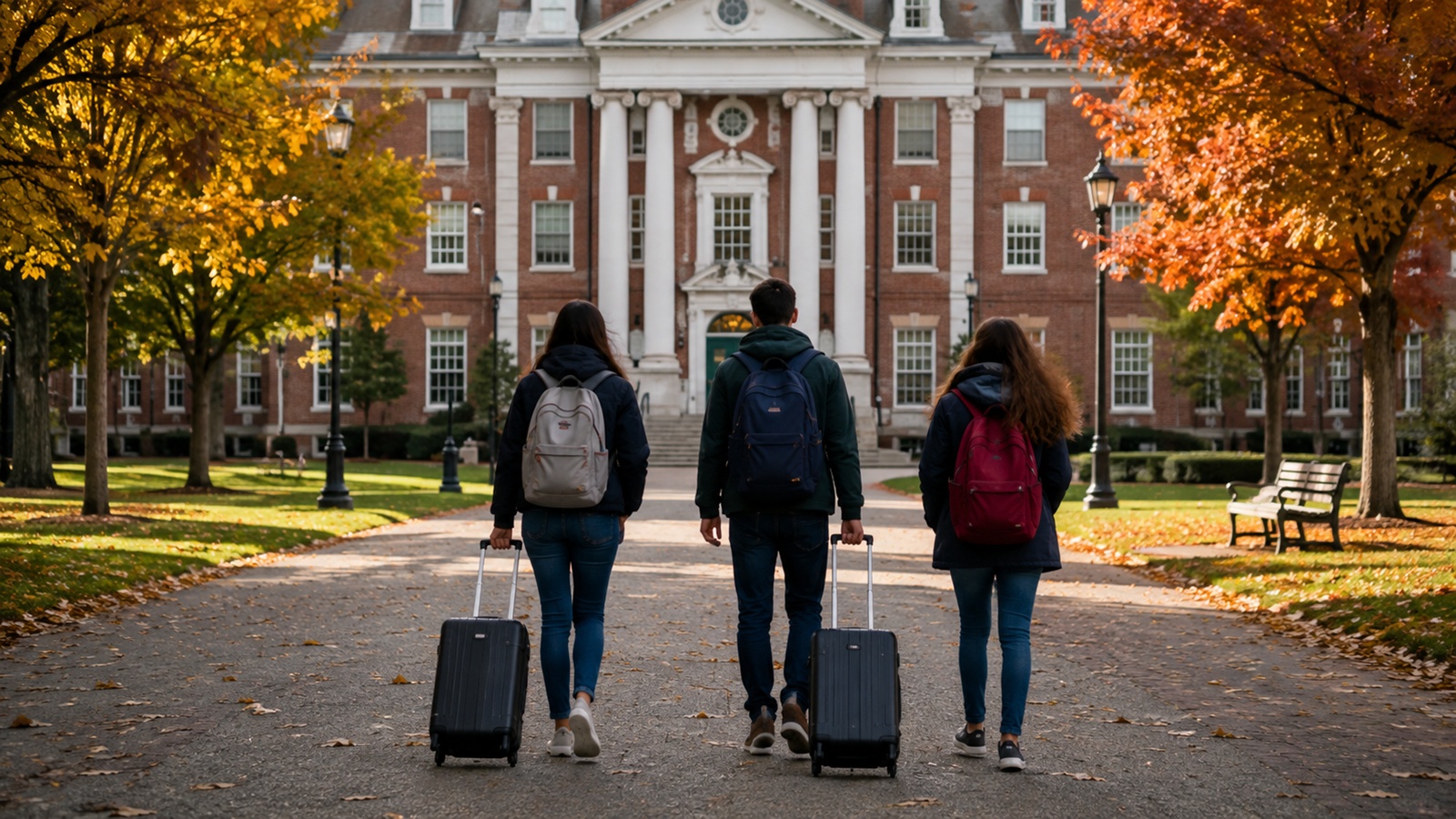
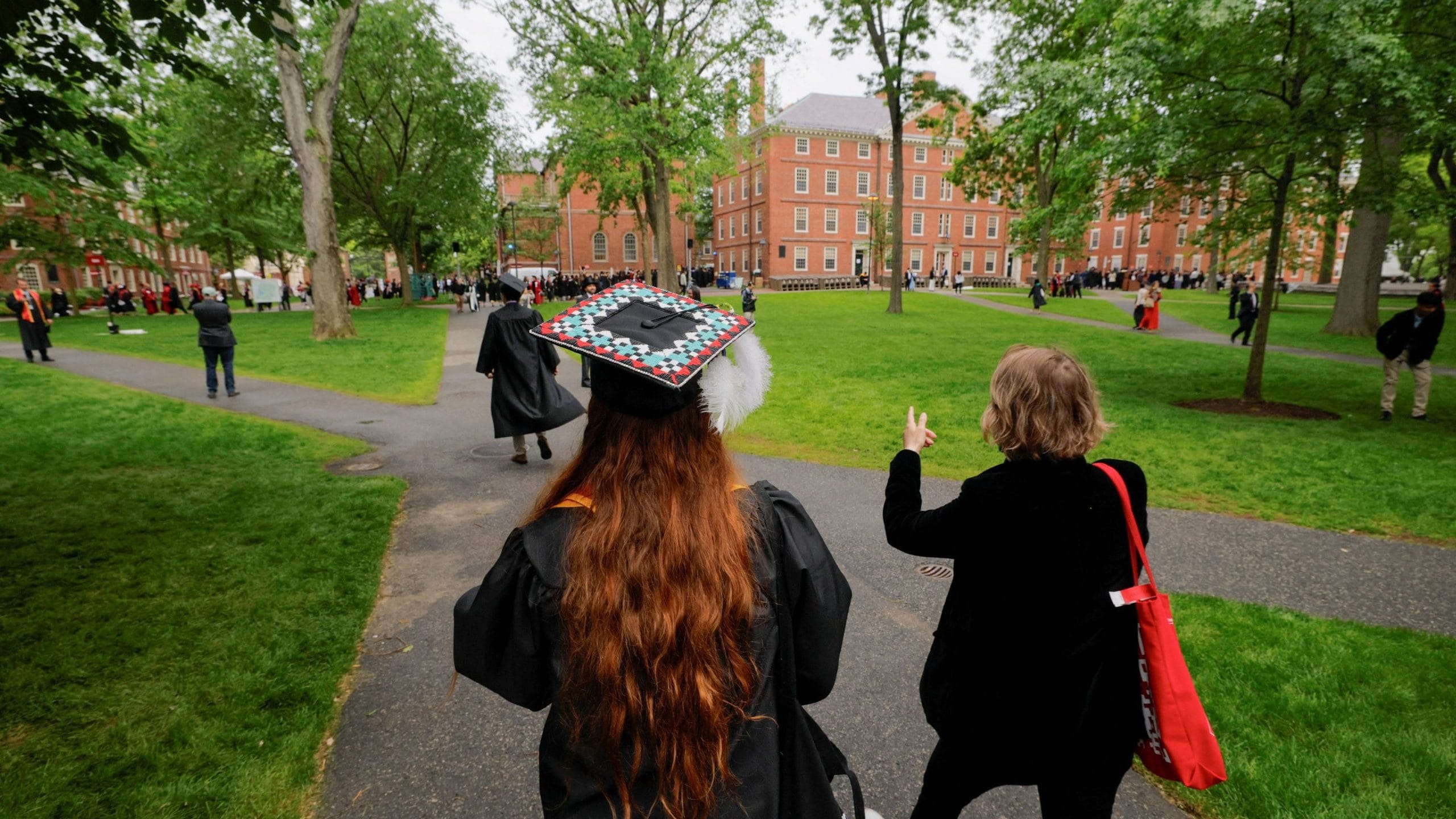
Harvard is warning some international students and scholars about new United States visa rules.
The rules are expected to begin on September 15, 2026.
They would replace a system that lets students stay while they maintain their academic status.
Instead, students could receive a specific date showing when their approved stay ends.
Students who want to stay longer might have to apply to the government for an extension.
The rules could also make it harder to change schools or courses of study.
People who are already in the United States when the rules begin may be treated differently from people who leave and return later.
Harvard says many details are still unclear, and organizations are suing to try to stop the rules.

Harvard advises fall F-1 and J-1 students and J-1 scholars to consider being in the United States before September 15, 2026.
Department of Homeland Security rules would replace duration-of-status admissions with fixed periods and an I-94 “Admit Until Date.”
Students staying beyond their authorized period would generally need to seek an extension through U.S. Citizenship and Immigration Services.
The rules would limit transfers between institutions and changes to students’ courses or plans of study.
Higher education and labor groups, including Harvard, are challenging the rule, while questions about implementation remain unresolved.
- Who
- Harvard University, F-1 and J-1 students, J-1 scholars, the Department of Homeland Security, and higher education and labor organizations.
- What
- Harvard issued travel guidance ahead of visa rules that would replace duration-of-status admissions with fixed periods for certain international visitors.
- Where
- The United States, including Harvard’s on-campus programs.
- When
- The rules are expected to take effect on September 15, 2026.
- Why
- The rules would establish fixed admission periods, change extension procedures, reduce some grace periods, and restrict certain school or study-plan changes.
DHS and rule supporters
Higher education and labor opponents
Immigration monitoring
DHS and rule supporters
The Trump administration’s rule is presented as an effort to improve immigration monitoring by replacing duration-of-status admissions with fixed periods.
Higher education and labor opponents
Higher education and labor groups argue through a federal lawsuit that the rule should be temporarily blocked.
Extension requirements
DHS and rule supporters
Requiring applications to U.S. Citizenship and Immigration Services would create a formal review process for students seeking to stay beyond their authorized periods.
Higher education and labor opponents
Universities and affected students face uncertainty because the current system generally allows program-date extensions through universities without a separate extension-of-stay application.
Implementation effects
DHS and rule supporters
The rule would establish specific admission dates and new limits on transfers and changes to courses or study plans.
Higher education and labor opponents
Harvard says the changes may be confusing and unsettling, and that some implementation questions may remain unanswered by the effective date.
Key facts
- Effective date
- The new Department of Homeland Security rules are expected to take effect on September 15, 2026.
- Affected categories
- The rules cover F-1 and J-1 students and scholars, and the reports also identify I visa holders working in foreign media and journalism as affected.
- Harvard guidance
- Harvard advises relevant students and J-1 scholars enrolled in on-campus programs this fall to consider being in the United States before September 15.
- Admission record
- Students entering or reentering under the new system would receive an “Admit Until Date” on their I-94 arrival and departure record.
- Extension process
- Students seeking to remain beyond their authorized admission period would generally need to file an extension application with U.S. Citizenship and Immigration Services.
- Grace periods
- F-1 holders already in the United States when the rule takes effect would retain a 60-day grace period, while new or returning F-1 entrants would have a 30-day period; J-1 holders would retain 30 days.
- Legal challenge
- A coalition of higher education organizations and labor unions has sued to block the rule and requested a preliminary injunction, which has not yet been granted.
Quotes
Harvard University’s International Office
Harvard’s office responsible for advising international students and scholars
“Under the new rule, students hoping to remain in the United States beyond their authorized admission period will be required to file for an extension through U.S. citizenship and immigration services.”
 theprint.in
“We understand that the rule change, and the lack of clarity surrounding it, has been confusing and unsettling for all of us across higher education.”
 livemint.com
theprint.in
livemint.com
theprint.in
Sources
Related news
US Universities Issue Travel Advisories Before September 15 Visa Rule
US Universities Urge Indian Students to Return Before September 15
US Universities Urge International Students Return Before Visa Changes
USCIS issues instructions ahead of F-1 visa duration rule change

Lawsuit Challenges Trump Visa Limits for Students and Journalists
Key US Immigration Dates for Indian Students and Workers

Chinese Workers Find Brussels Ally as EU-China Trade Tensions Rise

Proposed H-1B Fee Could Raise $8.8 Billion Annually

US Customs Seizes Counterfeit Camel Cigarettes Worth $404,842